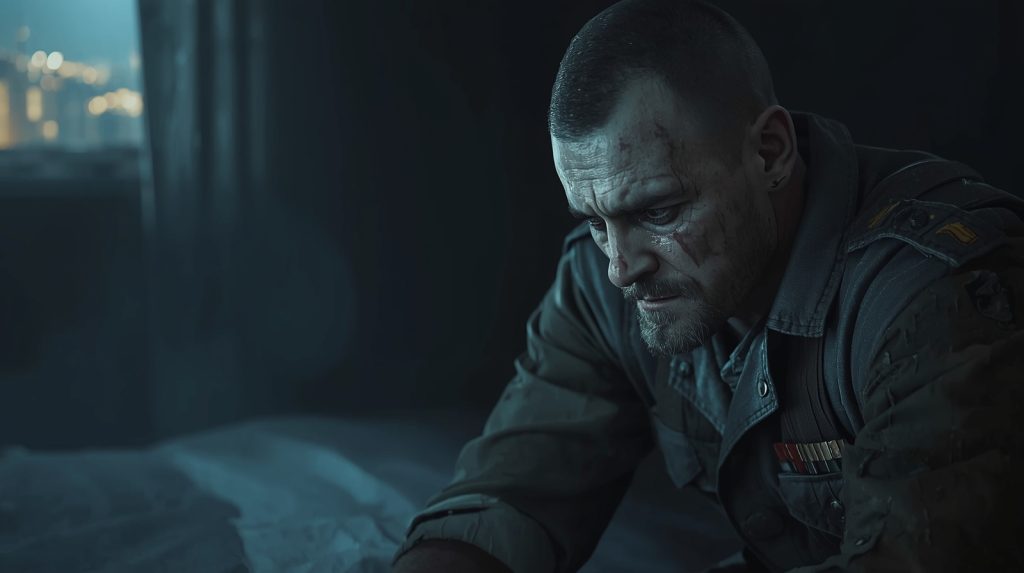

The treatment of psychological trauma among veterans has undergone a significant transformation with the integration of immersive technology. Traditional talk therapies often rely on the patient’s ability to visualize past traumatic events, a process that can be hindered by avoidant behavior—a core symptom of post-traumatic stress disorder. Virtual Reality Exposure Therapy, or VRET, bypasses this hurdle by providing a computer-generated environment that mimics the specific sensory details of a battlefield. This allows clinicians to guide patients through an emotional processing process in a controlled and safe setting.
Phantom battlefield memories are not merely recollections; they are intrusive, vivid, and often fragmented sensory experiences that make the individual feel as though they are back in the combat zone. These memories are frequently triggered by everyday sounds or sights in a domestic environment. VRET addresses these triggers by gradually exposing the veteran to the sights, sounds, and even smells of the battlefield, helping the brain differentiate between past trauma and present reality.
The Mechanisms of Emotional Engagement and Habituation
At the heart of VRET is the principle of emotional engagement. For exposure therapy to be effective, the patient must feel a sufficient level of presence within the memory. Virtual reality achieves this through high-fidelity simulations that engage multiple senses. When a veteran wears a head-mounted display, they are no longer in a therapist’s office; they are back in a convoy, a desert village, or a dense urban environment. This immersion forces the brain to confront the traumatic stimuli it has been trying to suppress.
Once emotional engagement is achieved, the goal shifts to habituation. Habituation is the process by which the brain’s fear response diminishes after repeated exposure to a non-threatening stimulus. By revisiting the traumatic memory within the virtual environment without any actual physical harm occurring, the patient’s nervous system begins to unlearn the association between the memory and the fight-or-flight response. Over time, the “phantom” memory loses its power to paralyze the individual.
Tailoring the Virtual Environment to Individual Trauma
One of the most significant advantages of virtual reality over traditional methods is the ability to customize the experience. Clinicians can adjust the simulation’s intensity in real-time, adding or removing elements such as the sound of distant mortar fire, the presence of civilians, or the time of day. This “graded exposure” ensures that the patient is challenged but not overwhelmed, which is crucial for preventing re-traumatization.
This customization also allows for the inclusion of specific triggers that the veteran may find particularly distressing. For example, if a specific smell was present during a traumatic event, some advanced VRET systems can release a similar scent to enhance the realism. By addressing the full sensory spectrum of the memory, the therapy provides a more comprehensive form of processing than verbal description alone could ever achieve.
The Role of Presence and Immersion in Healing
Presence is the psychological state of “being there” within a virtual environment. In the context of therapy, presence is what allows the veteran to interact with the traumatic memory as if it were happening in the moment. The more immersive the system, the more likely it is that the patient will experience the physiological symptoms of their trauma—such as an increased heart rate or sweating—which are necessary markers for successful exposure.
However, the therapist remains the most vital component of this process. The clinician monitors the patient’s reactions through biofeedback and verbal communication, ensuring that the exposure remains therapeutic. The therapist helps the patient to narrate the experience while inside the virtual world, which facilitates the integration of the fragmented traumatic memory into a coherent life story. This transition from a fragmented, terrifying “phantom” to a structured, understood memory is the key to long-term recovery.
Cognitive Restructuring and Meaning Making
While VRET is primarily an exposure-based tool, it also facilitates cognitive restructuring. As the veteran confronts the virtual battlefield, they often begin to challenge the distorted beliefs they have held since the event, such as excessive guilt or a belief that the world is entirely dangerous. Seeing the event play out in a controlled loop allows them to view it with more objectivity.
The process of meaning-making occurs when the veteran can finally place the traumatic event in the past. By successfully navigating the virtual battlefield and managing their physiological responses, they regain a sense of agency and mastery over their own mind. This empowerment is a critical step in moving from the identity of a victim of “phantom memories” to that of a survivor who has successfully processed their history.
Future Directions and Accessibility of Digital Therapeutics
As virtual reality hardware becomes more affordable and portable, the potential for VRET to reach more veterans increases. The development of automated or semi-automated systems may eventually allow for more frequent sessions, which could accelerate the recovery process. Furthermore, the use of VRET is expanding beyond combat-related trauma to include other types of urban violence and civilian disasters.
The clinical community continues to refine these protocols, combining VRET with other treatments like mindfulness and pharmacological support. The ultimate goal is to create a multi-dimensional approach to mental health that respects the complexity of the human brain. By utilizing the very technology that defines the modern era, psychology is finding new ways to heal the oldest of human wounds: the trauma of war.
FAQ
How does virtual reality differ from just talking about a memory?
Talking about a memory requires the patient to use their imagination to recreate the event, which many people with trauma find difficult or painful to do. Virtual reality takes the burden of visualization off the patient by providing the sights and sounds for them. This direct sensory input can lead to more consistent emotional engagement, which is necessary for the brain to process the trauma and begin the process of habituation.
Is there a risk that the VR simulation will make the trauma worse?
Any form of exposure therapy carries a risk of temporary distress, as the patient is intentionally confronting their fears. However, VRET is designed to be highly controlled. The clinician monitors the patient constantly and can lower the intensity of the simulation or stop it entirely at any moment. Because the exposure is gradual and occurs in a safe, therapeutic environment, the risk of long-term re-traumatization is significantly minimized compared to unprocessed, spontaneous flashbacks.
Can VRET help with memories that are very old?
Yes, VRET can be effective regardless of how much time has passed since the traumatic event. The brain’s fear circuits can remain active for decades after a conflict. As long as the memory is still causing distress or avoidance in the patient’s current life, the brain can be retrained to respond differently to that memory through the immersive exposure provided by virtual reality.
Do I need to be tech-savvy to participate in this therapy?
Not at all. The patient only needs to wear the headset and follow the guidance of the therapist. The clinician handles all the technical aspects of the simulation. Most patients find that they become accustomed to the virtual environment very quickly, often within the first few minutes of a session. The focus remains entirely on the emotional and psychological work, not on the technology itself.
Recommended Books
- Virtual Reality Therapy for Psychosomatic Disorders by Giuseppa Riva
- Principles and Practice of Stress Management by Paul M. Lehrer and Robert L. Woolfolk
- Post-Traumatic Stress Disorder: Concepts and Therapy by P.A. Saigh