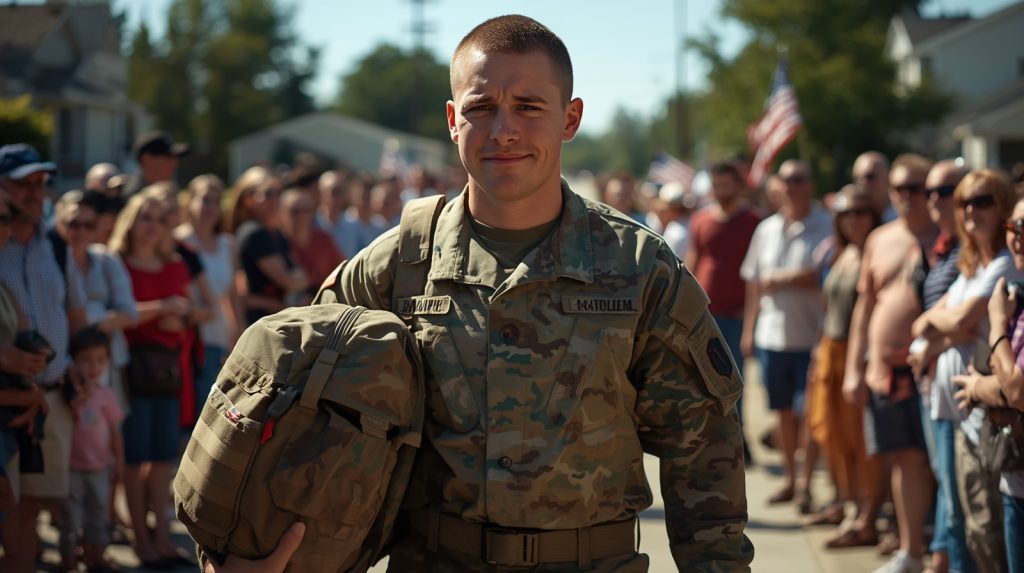

Before stepping into the unpredictable maelstrom of deployment, military personnel arm themselves not just with rifles but with mental fortitude through targeted resilience training programs. These initiatives, now standard in forces worldwide, equip soldiers with skills to withstand combat stress, reducing PTSD incidence by up to 30% and enhancing unit cohesion. Resilience training focuses on building psychological flexibility, emotional regulation, and adaptive coping, transforming potential vulnerabilities into strengths amid high-stakes environments.
From U.S. Marine Corps’ Operational Stress Control to Ukraine’s frontline mental prep, these programs address the mental health gaps exposed in past conflicts. This article dissects their psychological underpinnings, historical development, core components, proven outcomes, long-term benefits, and implementation strategies. Mastering pre-deployment resilience saves lives and missions.
Psychological Foundations of Military Resilience Training
Resilience training draws from positive psychology, neuroplasticity, and stress inoculation principles. It counters allostatic load—the wear from chronic stress—by strengthening prefrontal-amygdala connectivity for better threat appraisal. Core constructs include grit (perseverance), optimism (realistic reframing), and self-efficacy (mastery beliefs), buffering against helplessness.
Stress inoculation theory posits graduated exposure builds tolerance, akin to vaccines. Mindfulness enhances metacognition, interrupting rumination cycles. Social support modules leverage oxytocin-mediated bonding for collective resilience. Genetic factors like BDNF variants inform personalization, but training induces epigenetic shifts favoring adaptability.
Pre-deployment timing capitalizes on peak neuroplasticity, with meta-analyses showing 20-25% symptom reductions. These foundations position resilience as proactive armor.
Historical Evolution and Program Prevalence
Resilience training evolved from WWII “battle fatigue” cures to structured programs post-Vietnam. The U.S. Army’s Comprehensive Soldier Fitness (CSF, 2009) pioneered battlemind training, reaching 1M+ troops. UK’s TRiM (Trauma Risk Management) emphasized peer support. Israel’s IDF integrates since 1980s, yielding low PTSD rates.
Today, 80% of NATO forces mandate pre-deployment modules; Ukraine’s 2022+ adaptations cut acute stress 25%. Prevalence correlates with conflict tempo.
| Program/Era | Key Features | Outcomes |
|---|---|---|
| Battle Mind (2000s) | Stress inoculation, unit cohesion | 16% PTSD drop |
| CSF (2009+) | Online assessments, optimism training | Enhanced performance |
| Ukraine Pre-Deployment (2022+) | Moral injury prep, drone stress | 25% stress reduction |
| IDF Resilience (1980s+) | Mindfulness, family integration | Low chronic PTSD |
This trajectory reflects data-driven maturation.
Core Components of Pre-Deployment Resilience Training
Effective programs blend didactic, experiential, and evaluative elements. Psychoeducation demystifies stress responses, normalizing reactions. Cognitive restructuring challenges catastrophizing, installing adaptive narratives like “this is temporary.”
Skills training covers tactical breathing (4-7-8 technique) for vagal tone, grounding exercises for dissociation. Scenario simulations immerse in ethical dilemmas, inoculating against moral injury. Team-building fosters psychological safety, vital for post-event disclosure.
Digital tools like apps track mood, providing biofeedback. Ukraine modules simulate blackouts; U.S. VR deploys virtual IEDs. Duration: 8-12 hours pre-deployment, with boosters. These components forge multifaceted defenses.
Outcomes and Evidence from Resilience Programs
Rigorous trials validate efficacy. CSF randomized studies showed 13% lower PTSD, 18% better retention. Australian programs halved suicides. Longitudinal data tracks sustained gains: 2-year follow-ups confirm resilience persistence.
Ukraine’s 2023 evaluations reported 28% fewer evacuations for mental breakdown. Moderators include dosage—multi-session outperforms single—and leadership buy-in. Cost-benefit: $1 invested saves $4 in care. Neural imaging reveals thickened prefrontal cortices post-training, proving structural change.
Challenges persist: cultural stigma, high-ops dilution. Yet, evidence cements pre-deployment training as force multiplier.
Long-Term Benefits and Implementation Strategies
Beyond deployment, benefits endure: lower veteran healthcare use, stronger families via communication skills, career adaptability. Neuroprotective effects delay aging-related decline. Societally, resilient forces deter aggression through credible posture.
Implementation succeeds via integration: mandatory, evaluated curricula; train-the-trainer models scale. Personalization via baselines refines delivery. Policy embeds in doctrine, funding sustains. Ukraine exemplifies adaptation, blending Western tech with local realities. Future: AI coaches, gene-tailored modules.
Strategic rollout maximizes ripple effects.
Conclusion
Resilience training programs for pre-deployment military personnel represent psychology’s frontline contribution to warfare. By fortifying minds proactively, they slash trauma’s harvest, honoring service with sustainability. Expanding access ensures warriors return whole.
FAQ
What are the main goals of pre-deployment resilience training?
Pre-deployment resilience training aims to equip personnel with tools for stress management, emotional regulation, and adaptive thinking, minimizing acute and chronic mental health risks. It inoculates against predictable stressors like combat exposure and moral dilemmas through skills like cognitive reframing and breathing techniques. Programs foster unit bonds and self-efficacy, proven to cut PTSD odds by 20-30%. Tailored to deployment specifics, they bridge readiness gaps, ensuring peak functioning under duress as evidenced by multi-force trials.
How does stress inoculation work in military training?
Stress inoculation exposes troops to controlled, escalating stressors, building tolerance via habituation and mastery. Initial education explains physiology; skills practice follows, like simulations of casualties. Full immersion tests integration, rewiring amygdala responses for composure. U.S. studies show 25% arousal reduction post-training. Unlike suppression, it embraces stress as teacher, yielding durable neural adaptations for real threats.
Which resilience programs show best results for soldiers?
U.S. Army CSF and Marine OSTP demonstrate top results, with 15-20% PTSD reductions and performance boosts. UK’s TRiM excels in peer-led support, halving help-seeking barriers. IDF’s holistic model yields lowest chronic rates. Success hinges on interactivity, leadership, follow-through. Meta-analyses rank multi-modal, preemptive formats highest, adaptable across cultures like Ukraine’s variants.
Can resilience training prevent PTSD entirely?
Resilience training significantly lowers but cannot eliminate PTSD risk, reducing incidence 20-30% while buffering severity. It mitigates predisposers like prior trauma but yields to extreme exposures. Longitudinal evidence shows sustained protection, yet 10-15% residual cases underscore complementarity with post-deployment care. Combined approaches optimize outcomes, transforming probabilities.
How are resilience programs adapted for different conflicts?
Adaptations tailor to threats: Ukraine emphasizes endurance for attrition wars, with blackout drills; Middle East focuses ambush simulations. Cultural modules address moral injury variances. Tech like VR personalizes; metrics guide iteration. NATO standards provide backbone, localized for efficacy as in IDF’s terror-prep evolutions.
Recommended Books
- Building Resilience in Children and Teens by Kenneth Ginsburg
- Resilience: The Science of Mastering Life’s Greatest Challenges by Steven Southwick
- Options for Reducing the Government’s Role in Military Family Support Services by RAND Corporation
- Hardiness: Turning Stressful Circumstances into Resilient Growth by Salvatore Maddi
- Performing Under Pressure: The Science of Doing Your Best When It Matters Most by Hendrie Weisinger
- Warrior Mindset: Mental Toughness for Military Personnel by Michael Asken