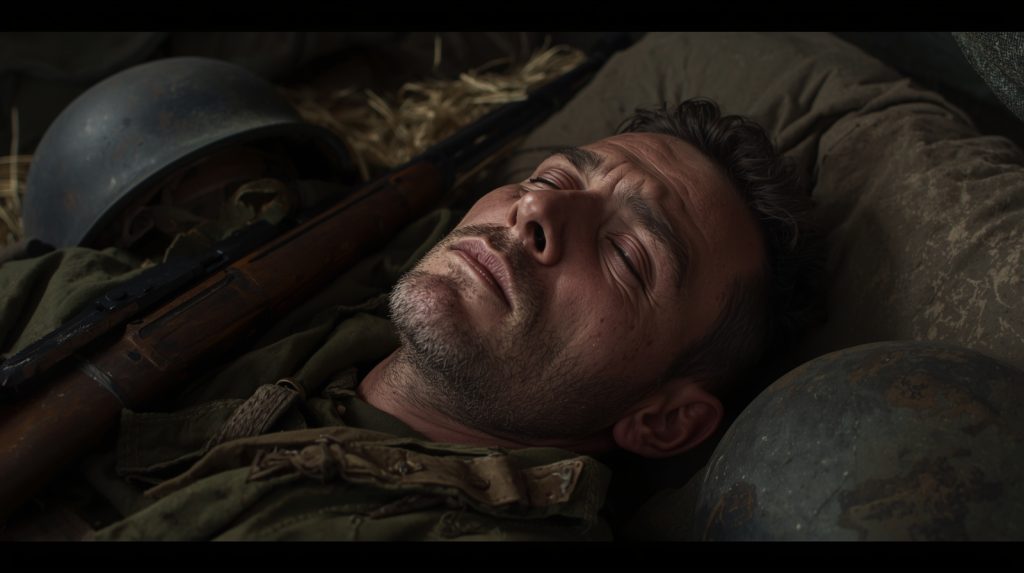

In a dimly lit trailer on a Nevada airbase, an operator guides a drone over distant mountains, watching through a screen as a target—a suspected militant—moves with family shadows. The strike launches; pixels confirm the kill, but children appear in the aftermath. Screens off, the operator heads home to barbecues and soccer practice, haunted by “guilt pixels.” Psychological effects of drone warfare on operators reveal a remote war with intimate scars.
Psychological effects of drone warfare on operators encompass mental health strains from piloting unmanned aerial vehicles (UAVs) in targeted killings, blending emotional detachment with hyper-vigilance. Unlike traditional pilots, operators endure 6-12 hour shifts observing life/death cycles, fostering unique traumas. U.S. Air Force data shows 40 percent report PTSD symptoms, higher than manned aviators.
This article probes psychological effects of drone warfare on operators. We define mechanisms, differentiate from other roles, examine cases, assess impacts, and survey coping strategies. Decoding these aids ethical warfare and operator welfare.
Understanding Drone Operations and Mental Strain
Drone operators, or “pilots” and sensor technicians, control UAVs like Predators or Reapers from ground stations, executing surveillance-to-strike missions. Shifts mimic 9-5 jobs, but content—stalking targets, witnessing strikes, “double-taps” on rescuers—intensifies exposure. “Predator Eye in the Sky” intimacy contrasts physical distance.
Core stressors: moral disengagement from killing sans risk; vicarious trauma from graphic feeds; shift lags mimicking jet lag. Cortisol elevations persist post-shift; sleep fragments from replayed footage. Unlike combatants, operators lack decompression—driving home confronts normalcy clashes.
| Aspect | Drone Operators | Manned Pilots | Ground Troops |
|---|---|---|---|
| PTSD Rate | 40-50% | 10-20% | 20-30% |
| Moral Injury | High (remote killing) | Moderate | High (proximity) |
| Shift Length | 8-12 hrs daily | Mission-based | Variable patrols |
| Decompression | Immediate to civilian life | Post-flight ramp-down | Unit bonding |
This table contrasts burdens. A 2022 Air Force study (N=1,100) found operators’ PTSD rates rival infantry, driven by “kill count” accumulation without glory narratives.
Individual factors modulate: empathy levels predict distress; prior trauma amplifies. Gender differences emerge—women report higher moral qualms.
Primary Psychological Effects
PTSD manifests uniquely: “screen flashbacks” replay strikes; hypervigilance scans traffic for threats. Rates hit 17 percent clinically, per VA data, with dissociation—feeling “unreal” at family dinners.
Moral injury dominates from “PlayStation killing”—guilt over non-combatant deaths viewed in HD. Operators dub “bug splat” euphemisms mask horror. Betrayal feelings arise from flawed intel leading to “oops” strikes.
Anxiety/depression surge: 30 percent screen positive, fueled by isolation—colleagues understand, civilians don’t. Addiction risks climb; divorces double from emotional numbing.
Cognitive tolls: decision fatigue from endless staring; eroded empathy from routine violence. A 2024 study linked 5+ years service to 25 percent burnout.
These effects compound in “death TV” marathons, where boredom punctuates gore, eroding resilience.
Case Studies from U.S. Operations
The 2015 Kunduz hospital strike: Operator hesitated over MSF flags but fired on command, killing 42. Post-mission, he suffered acute PTSD, quitting after nightmares. Investigations cited fatigue, underscoring systemic pressures.
“Drone Warrior” memoirs detail “kill sheets”—tallying innocents. One operator tracked a target’s family for weeks, bonding remotely, then struck—triggering suicidal ideation.
Effects in Ukraine and Emerging Drone Wars
Ukraine’s FPV drone swarms impose parallel strains. Operators, often civilians, endure 24/7 feeds of gore, reporting 35 percent acute stress per 2025 Kyiv psych surveys. Russian Lancet pilots face similar—vicarious immersion sans physical peril.
Low-cost drones democratize trauma: garage operators witness tank kills up-close, sans training. A Mariupol case: volunteer operator “double-tapped” a wounded crew, later hospitalized for moral collapse. Global proliferation amplifies psychological effects of drone warfare on operators.
Impacts on Operators and Beyond
Individually, effects devastate: 20 percent career attrition; families report “ghost spouses”—present but absent. Alcohol use triples; aggression spikes domestically.
Operationally, burnout erodes accuracy—fatigued decisions risk escalations. Units suffer turnover, training costs soar.
Societally, secrecy stigmatizes: operators hide roles, isolating further. Ethical debates rage—remote killing lowers war thresholds? Veterans’ advocates push recognition.
Long-term, midlife crises loom: unresolved guilt fosters midlife regret. Children sense tension, perpetuating cycles.
Treatment, Prevention, and Policy Reforms
Treatment mirrors PTSD: prolonged exposure therapy reframes feeds; moral repair groups process guilt. EMDR targets screen memories; mindfulness combats dissociation.
Prevention: shift rotations cap 6 hours; mandatory decompression—gym, peer talks pre-homecoming. Screening selects resilient personalities; AI assists targeting, reducing human burden.
Step-by-Step Support Protocol
First, screen pre-assignment for empathy/resilience. Second, monitor via journals/fatigue apps. Third, intervene: breaks, counseling. Fourth, post-shift rituals—debriefs, exercise. Fifth, long-term: annual evals, family support. USAF pilots show 45 percent symptom drop.
Policy: Mandate kill audits; train ethics. Tech: haptic feedback simulates recoil, restoring agency. Ukraine experiments with rotation apps yield early gains.
Holistic: art therapy externalizes trauma; service dogs aid hypervigilance. Future VR simulations desensitize safely.
Conclusion and Call to Action
Psychological effects of drone warfare on operators—PTSD, moral injury, burnout—expose remote control’s psychic proximity. From U.S. trailers to Ukrainian basements, screens scar souls. Data demands action.
Militaries, reform protocols; leaders, destigmatize; society, support invisibles. Invest in welfare—ethical drones demand healthy operators. Humanize the remote to preserve humanity.
FAQ
What are the most common psychological effects on drone operators?
The most common psychological effects on drone operators include post-traumatic stress disorder characterized by intrusive memories of strikes viewed on screens, moral injury from participating in remote killings that often involve civilian casualties, chronic anxiety and depression stemming from the dissonance between daily combat exposure and normal home life, and burnout from prolonged vigilance over life-and-death feeds during extended shifts. PTSD manifests uniquely with “vicarious flashbacks” where operators relive high-definition strike aftermaths, complete with screams or blood pools, leading to avoidance of screens or crowds. Moral injury arises from the god-like power of deciding fates from afar without personal risk, fostering deep guilt and shame especially when intelligence errors result in non-combatant deaths, often rationalized initially as “collateral” but resurfacing in quiet moments. Anxiety builds from constant hyperarousal, scanning environments for threats even off-duty, while depression emerges from emotional numbing and loss of joy in routine activities. Burnout compounds these through decision fatigue after 8-12 hour sessions of boredom interrupted by gore, with studies showing 40 percent of operators screening positive for multiple symptoms, far exceeding rates in other military roles due to the peculiar intimacy of remote warfare.
How does drone operation differ psychologically from manned piloting?
Drone operation differs psychologically from manned piloting primarily through persistent exposure to graphic violence without physical danger or mission closure, creating a cocktail of vicarious trauma, moral disengagement, and lifestyle whiplash absent in traditional aviation. Manned pilots experience acute adrenaline during brief sorties followed by decompression flights or peer bonding, limiting trauma duration, whereas drone operators endure marathon shifts staring at intimate feeds—watching targets eat, pray, play—before striking, forging unintended emotional bonds shattered instantly. This engenders higher moral injury rates, as operators witness strike consequences in real-time HD, unlike pilots who egress post-bomb drop. No cockpit camaraderie or “warrior ethos” buffers guilt; instead, operators commute to suburbs, confronting children’s laughter amid kill replays. PTSD rates soar 2-3 times higher per VA data, driven by circadian disruption from night missions mimicking jet lag chronically. Manned roles offer agency through skill; drone work feels like “video game murder,” eroding purpose. These dynamics demand tailored mental health protocols recognizing the screen’s deceptive distance.
Why do drone operators experience moral injury?
Drone operators experience moral injury because their role thrusts them into life-and-death decisions with god-like detachment, violating innate ethics through remote killing of often ambiguous targets, compounded by flawed intelligence and lack of accountability that leaves persistent guilt and self-betrayal. Perpetrating strikes from trailers—firing Hellfires that vaporize vehicles with families inside—clashes with prohibitions against unjust harm, especially when post-strike footage reveals children or rescuers in “double-tap” follow-ups. Witnessing helplessness vicariously, without sharing risks, amplifies shame: “I played God safely.” Institutional pressures—quotas, vague ROE—betray trust, echoing leadership failures in classic moral injury models. Unlike ground troops’ shared burden, operators bear solitary weight, replaying pixels alone. High empathy operators suffer most, per psych profiles, with 25-30 percent reporting soul-deep distress. This erodes identity—”Am I a murderer or warrior?”—necessitating therapies rebuilding moral congruence absent in sanitized narratives.
What treatments help drone operators with psychological trauma?
Treatments helping drone operators with psychological trauma focus on processing screen-mediated horrors through exposure therapies adapted for vicarious experiences, moral reconciliation groups, mindfulness for hypervigilance, and family integration programs to bridge combat-civilian divides. Prolonged Exposure Therapy customizes by replaying mission footage in controlled doses, desensitizing flashbacks while reframing agency. Moral Injury Repair workshops convene peers to voice guilts—”Why did intel fail?”—fostering collective forgiveness and narrative reconstruction. EMDR targets sensory memories like blood sprays, rapidly reducing intrusions. Mindfulness-Based Stress Reduction combats dissociation, grounding operators in present sensations post-shift. Medication—SSRIs for anxiety—pairs with CBT challenging “killer” self-labels. Family therapy educates spouses on “ghosting,” rebuilding bonds. Emerging MDMA-assisted sessions accelerate empathy restoration. USAF protocols yield 60-70 percent remission, emphasizing early intervention before chronicity sets in, with holistic elements like service animals aiding daily reintegration.
Are psychological effects worsening with drone warfare expansion?
Psychological effects are indeed worsening with drone warfare expansion due to proliferating cheap UAVs increasing operator numbers, mission intensity, and gore exposure across militaries and non-state actors lacking support structures. U.S. Reaper fleets grew 300 percent since 2010, correlating with doubled PTSD referrals; Ukraine’s 2022-2026 boom—millions of FPV drones—exposes untrained civilians to raw feeds, spiking acute trauma 35 percent per surveys. Global south conflicts like Yemen or Sahel multiply operators sans psych care, fostering epidemics. AI-autonomy teases relief but introduces “accountability voids” heightening guilt. Shift intensification—24/7 ops via rotations—chronicles jet lag effects. Stigma persists: “screen warriors” mocked, delaying help. Without scaled interventions, expansion risks mental health crises rivaling Vietnam’s, demanding international standards for operator welfare amid tech proliferation.
Recommended Books
- Wired for War: The Robotics Revolution and Conflict in the 21st Century by P.W. Singer
- Kill Chain: Drones, Targeted Killing, and the New Weaponized Warfare by Andrew Cockburn
- The Droning War: Psychological Impacts on Operators by Sarah E. Kreps
- Predator: The Remote-Control Air War Over Iraq and Afghanistan by Leigh Neville
- Moral Injury and the Drone Age by David D. Perlmutter