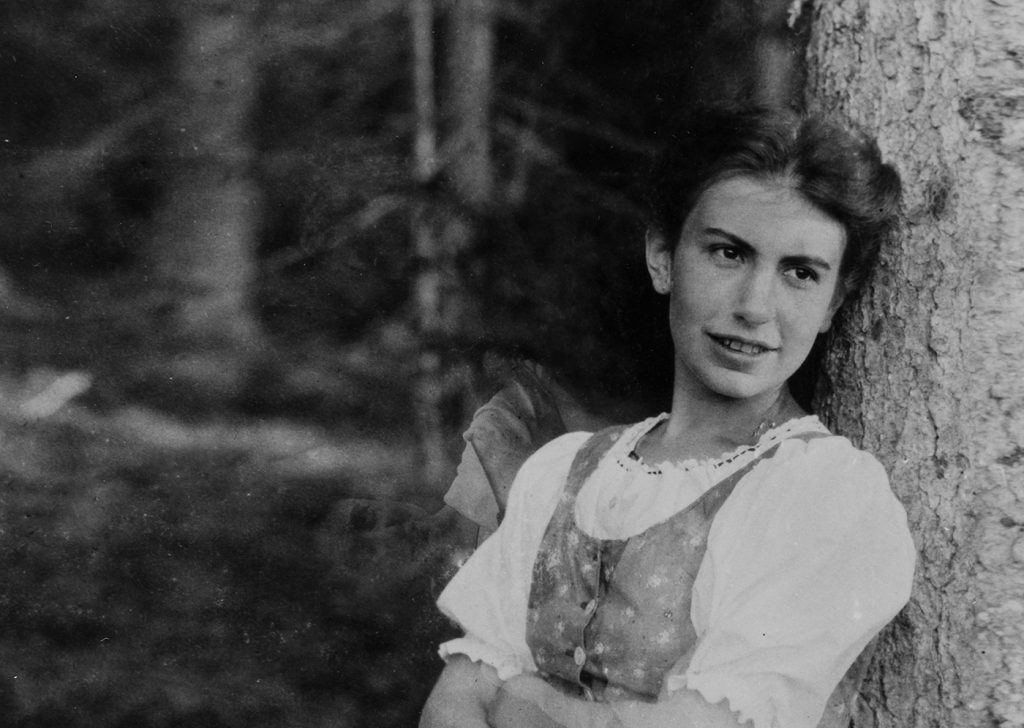

The history of psychoanalysis is dominated by towering, patriarchal figures, none greater than Sigmund Freud himself. Yet behind the foundational theories of modern psychiatry stood a woman who was at once a patient, a devoted primary caregiver, an intellectual heir, and a revolutionary pioneer in her own right: Anna Freud. As the youngest of the six Freud children, Anna carved out a distinct place in intellectual history by transforming psychoanalysis from an adult-centric, talk-based treatment into an effective method for treating children.
Her life and work present a fascinating intersection of intense personal devotion, psychological boundary-crossing, and subtle rebellion. While her father mapped the unconscious mind of adults on his famous leather couch, Anna sat beside children on play rugs, using toys, miniature furniture, and simple creative activities to understand their emotional worlds. By exploring Anna Freud’s lifelong habit of knitting during psychoanalytic meetings, her complex psychological dynamic with her father, and her pioneering contributions to child psychoanalysis and ego defense mechanisms, a portrait emerges of a woman who shaped modern child therapy while living under the giant shadow of psychoanalysis’s founding father.
The Girl with the Knitting Needles: Handcrafts and Intellectual Focus
Throughout her adult life, both in Vienna and during her later years in London, Anna Freud was rarely seen without a set of knitting needles and a ball of yarn nearby. At psychoanalytic congresses, clinical seminars, and committee meetings, she routinely pulled out her handcrafts, knitting socks, scarves, and sweaters during high-level theoretical debates. To casual observers, a woman quietly knitting in a room full of serious medical professionals seemed like an innocent, traditional domestic habit. However, for Anna Freud, knitting was a crucial cognitive tool, an emotional anchor, and a subtle psychological defense.
Anna believed that the rhythmic, repetitive motion of knitting helped settle her restless physical energy and quieted internal anxieties, allowing her conscious mind to focus with remarkable clarity on dense clinical discussions. In many ways, her knitting mirrored the psychoanalytic process itself: taking chaotic, tangled strands of yarn and systematically weaving them into a structured, integrated whole. The physical act of creation provided a grounding counterweight to the abstract, often turbulent psychological concepts being debated in the room around her.
The Symbolic Comfort of Woven Threads
Beyond its function as a concentration aid, Anna’s knitting carried deep emotional symbolism throughout her life. In a household dominated by her father’s towering intellect and strict demands, handcrafts provided Anna with a personal domain where she exercised complete control. She frequently gifted her hand-knitted socks and garments to close friends, family members, and favored colleagues, using woven items as tangible expressions of affection and care in an environment that often prioritized clinical detachment over raw emotional warmth.
Furthermore, her habit of bringing handcrafts into academic spaces subtly challenged the austere, overly clinical atmosphere favored by early male analysts. By weaving domestic work into the fabric of psychoanalytic meetings, Anna signaled that psychoanalysis did not need to remain locked in cold, intellectual abstraction. This approach foreshadowed her clinical breakthrough: bringing domestic elements, play, and practical warmth directly into the therapeutic process when working with children.
Living in the Master’s Shadow: The Patient of Sigmund Freud
Anna Freud’s path to becoming an analyst was inextricably bound to her complex, deeply enmeshed relationship with her father. Born in 1895 as the sixth and unplanned child of Sigmund and Martha Freud, Anna struggled during her youth with feelings of physical inadequacy, low self-esteem, and severe jealousy toward her older sister, Sophie. Seeking her father’s approval, Anna abandoned her early career as a primary school teacher to immerse herself completely in Sigmund’s work, eventually becoming his personal secretary, traveling companion, and intellectual confidante.
The most controversial chapter of their relationship began in 1918, when Sigmund Freud took the extraordinary step of analyzing his own daughter. Over two distinct periods between 1918 and 1924, Anna lay on her father’s couch for regular psychoanalytic sessions. By modern ethical standards, an analyst treating their own child constitutes an extreme boundary violation, creating an insurmountable conflict of interest. Yet, in the early, unregulated days of psychoanalysis, Sigmund viewed the arrangement as a necessary step to help his daughter resolve her intense emotional repressions, inner conflicts, and lingering anxieties.
Analyzing the Father-Daughter Bond
During these analysis sessions, father and daughter explored Anna’s subconscious fantasies, her feelings of intellectual inadequacy, and her deep fear of losing her father’s love. Rather than breaking her psychological dependence on him, the analysis cemented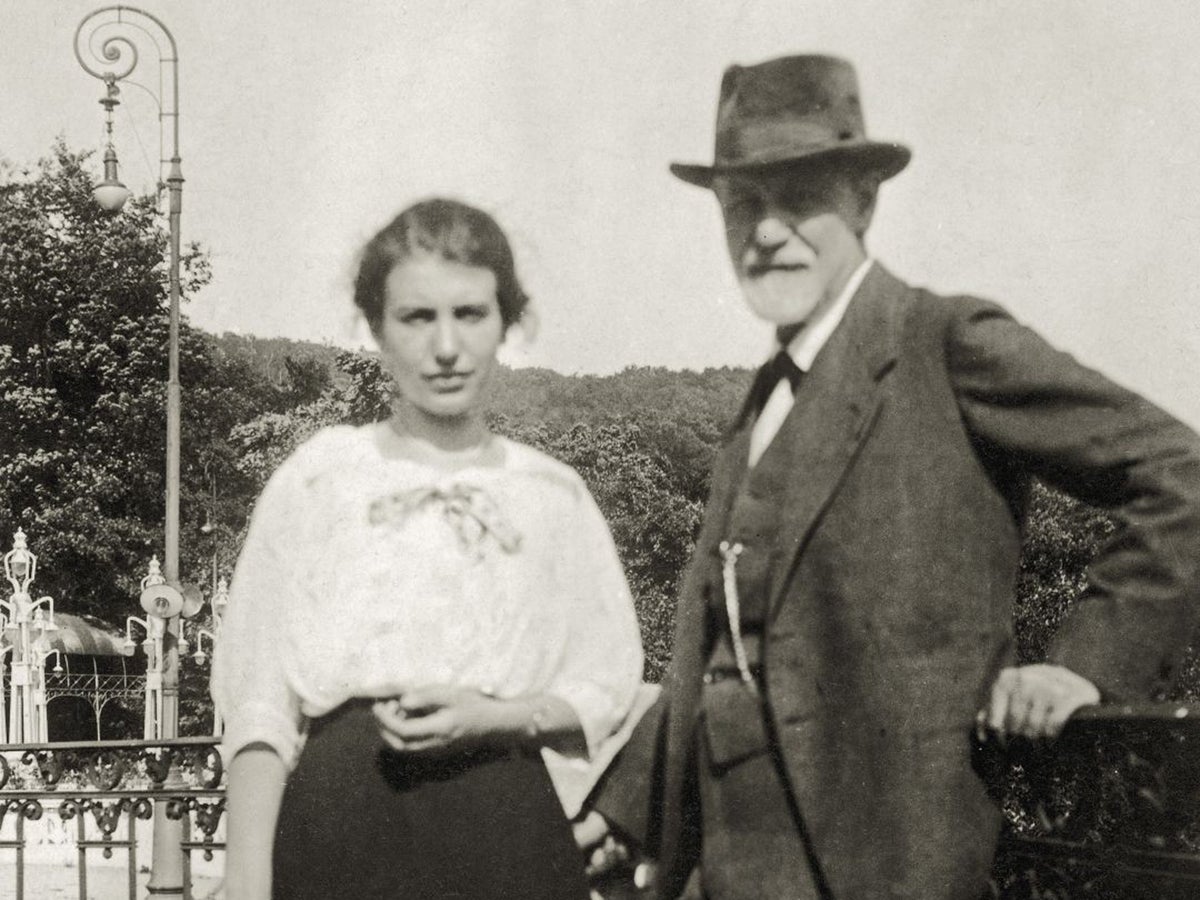 her total devotion to Sigmund. She became his primary caretaker as his oral cancer worsened throughout the 1920s and 1930s, personally attending to his painful oral prosthesis, managing his medical care, and acting as his public representative when he was too ill to attend psychoanalytic congresses.
This intense enmeshment created a profound personal tragedy for Anna Freud. She never married or had biological children, choosing instead to dedicate her entire existence to protecting her father’s legacy and expanding his scientific movement. While living in the master’s shadow limited her personal autonomy, it also gave her an unparalleled, front-row education in psychoanalytic theory, equipping her with the intellectual tools to revolutionize the field after her father’s death.
Reinventing Analysis: The Birth of Child Psychoanalysis
When Anna Freud began applying psychoanalytic concepts to children in the 1920s, she quickly recognized a fundamental clinical problem. Traditional psychoanalysis relied heavily on adult clinical techniques: the patient lay on a couch, engaged in free association, and analyzed their childhood memories through verbal interpretation. Children, however, were entirely incapable of lying still on a couch for fifty minutes, had no interest in free association, and did not enter therapy voluntarily to seek relief from internal neuroses.
Recognizing these limitations, Anna abandoned the adult setup entirely and pioneered child psychoanalysis. Instead of forcing children onto the couch, she met them on the floor. She transformed the consulting room into an engaging environment filled with age-appropriate toys, miniature dolls, drawing supplies, and building blocks. Anna realized that while adults communicate through words, children reveal their internal emotional lives, subconscious conflicts, and home anxieties through spontaneous play.
Play Therapy and the Therapeutic Alliance
Anna Freud observed that a child’s play is never completely random. When a child creates scenarios with dolls or paints vivid scenes, they are actively projecting their inner feelings, fears, and domestic experiences onto the toys. Through observation and gentle participation in their games, Anna learned to interpret the symbolic meaning behind a child’s play, helping them process trauma, grief, and emotional distress without forcing them into adult verbal frameworks.
Crucially, Anna recognized that unlike adults, children cannot form a traditional transference relationship with an analyst because their actual parents are still actively present in their daily lives. Therefore, she emphasized the need to establish a warm, trusting therapeutic alliance before offering interpretations. She argued that a child analyst must act as a supportive, authoritative combination of teacher, guardian, and therapist, balancing emotional comfort with subtle guidance to help the child’s ego develop healthily.
Mapping the Ego: The Mechanisms of Defense
While Anna Freud is widely celebrated for her clinical work with children, her greatest theoretical contribution to mainstream psychology was her 1936 book, “The Ego and the Mechanisms of Defense.” While her father introduced the basic concept that the ego uses defense mechanisms to protect itself from the overwhelming demands of the id, the superego, and external reality, Anna systematically cataloged, expanded, and refined these concepts into a comprehensive psychological framework.
Anna outlined key defense mechanisms that remain fundamental to modern psychiatry and personality theory, including repression, projection, reaction formation, regression, and sublimation. She brought clarity to how the human mind automatically distorts or denies reality to reduce acute anxiety and shield the conscious self from emotional pain, demonstrating that defense mechanisms are not inherently pathological, but are normal, necessary adaptive tools used by healthy personalities.
Identification with the Aggressor and Altruistic Surrender
Among her theoretical innovations, Anna Freud introduced two original defense mechanisms that grew directly out of her observations of childhood behavior and her personal experiences: identification with the aggressor and altruistic surrender.
Identification with the aggressor describes a mechanism where an individual, faced with a terrifying external authority figure or threat, unconsciously adopts the characteristics, physical mannerisms, or punitive attitude of that aggressor. By transforming themselves from the helpless victim into the terrifying figure, the individual gains an illusion of control and protects their ego from paralyzing fear. Anna observed this frequently in children who, after being punished by a strict parent or teacher, would immediately act out the exact same punitive behavior toward their toys or younger playmates.
Altruistic surrender describes a process in which a person gives up their own goals, desires, and ambitions, projecting them onto another individual and living vicariously through that person’s achievements. Biographers have often noted that this mechanism mirrored Anna Freud’s own life choices: she surrendered her romantic and personal ambitions to devote her talent, time, and intellectual life to advancing her father’s career and legacy.
Conclusion: The Architect of Child Psychology
Anna Freud’s legacy is a story of quiet resilience, profound devotion, and brilliant theoretical innovation. Living in the shadow of one of history’s most famous intellectuals, she neither lost her identity entirely nor broke away in bitter revolt. Instead, she took her father’s adult-centered theories, brought them down to the level of a child’s play rug, and constructed an entirely new clinical discipline that alleviated the suffering of thousands of children.
From her quiet habit of knitting during dense academic debates to founding the Hampstead Child Therapy Course and Clinic in war-torn London, Anna Freud showed that genuine clinical power does not always require loud rebellion or grand manifestos. By bringing warmth, practical observation, and play into the clinical setting, the woman who sat in the master’s shadow ultimately became one of the brightest guiding lights in modern developmental psychology.
FAQ About Anna Freud and Child Psychoanalysis
Why did Anna Freud knit during psychoanalytic meetings?
Anna Freud knitted during meetings and conferences because the rhythmic, repetitive physical motion helped her quiet internal anxieties, settle physical restlessness, and focus her conscious mind on theoretical discussions. She viewed handcrafts as a practical, grounding activity that balanced abstract intellectual work. Additionally, her knitting provided a personal sense of control and creative expression within the rigid, male-dominated environment of early psychoanalysis.
Why was Sigmund Freud analyzing his own daughter controversial?
Sigmund Freud analyzing Anna Freud between 1918 and 1924 is considered deeply controversial because it violates fundamental medical ethics regarding dual relationships and therapeutic boundaries. An analyst treating their own child creates a severe conflict of interest, making objective emotional detachment impossible and risking deep psychological enmeshment. Although such practices occurred in early psychoanalysis, modern psychotherapy strictly forbids treating family members due to the potential for boundary violations and emotional harm.
How did Anna Freud’s play therapy differ from adult psychoanalysis?
Anna Freud adapted psychoanalysis for children by replacing the adult couch, verbal free association, and detached clinical stance with play therapy in a room filled with toys, dolls, and art supplies. She recognized that children communicate their internal emotional struggles through spontaneous play rather than words. Furthermore, because children’s actual parents are still actively raising them, Anna emphasized building a warm, supportive therapeutic alliance rather than maintaining cold clinical detachment.
What was Anna Freud’s major contribution to the theory of defense mechanisms?
Anna Freud’s major theoretical contribution was her 1936 book, “The Ego and the Mechanisms of Defense,” in which she systematically defined, expanded, and categorized how the ego protects itself from anxiety. While her father introduced basic defense concepts, Anna formalized the list of classic mechanisms like repression, regression, and reaction formation, and introduced original concepts such as identification with the aggressor and altruistic surrender.
Did Anna Freud ever marry or have children?
No, Anna Freud never married and had no biological children. She chose to devote her entire adult life to caring for her ailing father, managing his public affairs, and advancing the field of child psychoanalysis. Through her long-term friendship and domestic partnership with Dorothy Burlingham, Anna helped raise Burlingham’s children and established nurseries and residential clinics for war orphans and disturbed children in London, fulfilling her parental instincts through her clinical work.
Recommended Books on Anna Freud
- Anna Freud: A Biography by Elisabeth Young-Bruehl
- The Ego and the Mechanisms of Defense by Anna Freud
- Anna Freud: The Dream of Psychoanalysis by Robert Coles
- Normality and Pathology in Childhood: Assessments of Development by Anna Freud
- Freud’s Women by Lisa Appignanesi and John Forrester