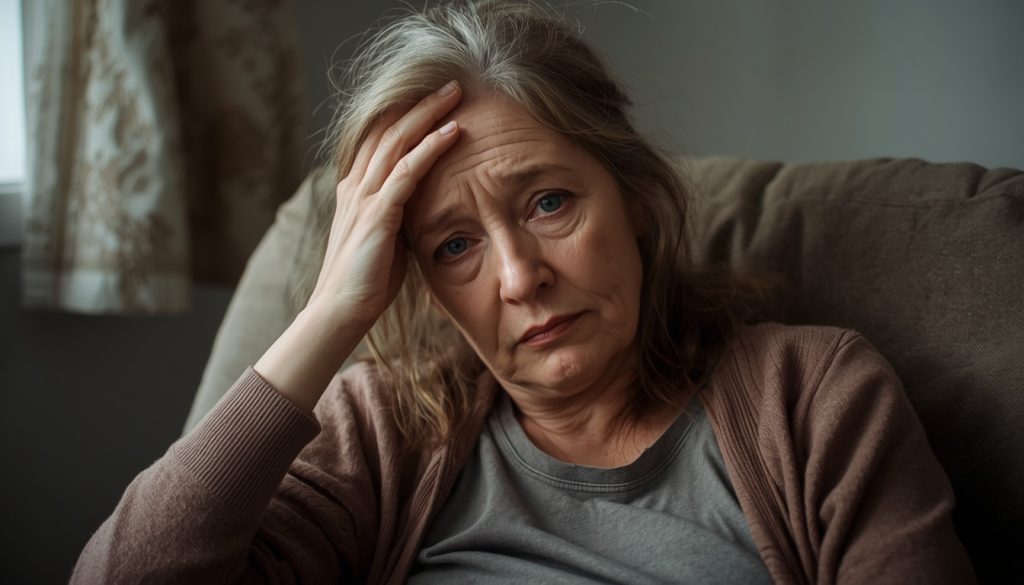

A woman notices it first in late October. The clocks have gone back, evenings arrive before she leaves the office, and something in her begins to slow. By November she is sleeping nine hours and still waking exhausted. She craves bread, pasta, and sweets, and has gained a few kilograms without changing how much she exercises, which was never much to begin with. Tasks that were easy in July now take enormous effort. She cancels plans, snaps at her partner, and finds herself staring at the window in the middle of the afternoon, aware that the light outside is already fading. In March, almost abruptly, the fog lifts. Her energy returns, her appetite settles, and she wonders how she could have felt so low only weeks before. Then, the following autumn, it begins again.
This pattern is familiar to millions of people, particularly in countries far from the equator. Many describe it casually as the winter blues, and most people notice at least some change in energy and mood as daylight shrinks. For a substantial minority, however, the change is far more than a seasonal grumble. It is a recurring episode of clinical depression, tied to the time of year, with its own characteristic symptoms and its own effective treatments. This condition is known as seasonal affective disorder, abbreviated SAD, and in the current diagnostic manual it is classified not as a separate illness but as a seasonal pattern of recurrent major depression.
The idea that mood follows the seasons is ancient, but the modern scientific description dates from the early 1980s, when the psychiatrist Norman Rosenthal and his colleagues at the National Institute of Mental Health in the United States described a group of patients whose depressions arrived each autumn or winter and lifted in spring and summer. Rosenthal moved from sunny South Africa to New York and noticed his own energy drop in winter, which sparked his curiosity. His group later showed that exposing patients to bright artificial light could relieve symptoms, a discovery that led to light therapy and changed how the disorder is treated. Four decades of research since then have clarified how the disorder works, who is at risk, and what helps.
This article offers a detailed, evidence-based account of seasonal affective disorder. It explains how the condition is defined, how it differs from the ordinary winter slump, how common it is, where it occurs, and what its symptoms look like. It reviews the biological explanations, including the circadian rhythm hypothesis, serotonin, and melatonin, as well as the psychological models, and it describes who is most vulnerable. It outlines the best-evidenced treatments, light therapy, cognitive behavioral therapy adapted for seasonal depression, antidepressant medication, and supportive lifestyle measures, and offers practical guidance for the dark months and for families. The central message is that the change in mood in the dark months has real biological and psychological causes, that it is not a sign of weakness, and that the condition is among the most predictable and treatable forms of depression.
What Seasonal Affective Disorder Is
Seasonal affective disorder is a recurrent form of depression in which episodes begin and end at characteristic times of year. In most people, the episodes begin in autumn or winter and remit in spring or summer, a pattern called winter-type SAD. A much smaller group experiences the reverse, with depression arriving in late spring or summer and lifting in autumn, called summer-type SAD. The word affective is an older term for mood, so the name simply means a seasonal disorder of mood.
The Diagnostic Specifier
In the fifth edition of the Diagnostic and Statistical Manual of Mental Disorders, seasonal affective disorder is not listed as a stand-alone diagnosis. Instead, a person who meets the criteria for major depressive disorder, or for bipolar disorder with depressive episodes, may be given the specifier with seasonal pattern. The criteria require a regular temporal relationship between episode onset and a particular time of year, for example, autumn or winter. Full remission, or a change from depression to mania or hypomania, must also occur at a characteristic time of year, such as spring. Over the last two years, the person must have had two major depressive episodes that show this temporal relationship, and no non-seasonal episodes during that period. Finally, seasonal episodes must substantially outnumber non-seasonal episodes over the person’s lifetime.
The criteria also specify that the seasonal pattern must not be better explained by seasonally linked psychosocial stressors, such as regularly being unemployed in winter or having a seasonal job with a stressful peak. This is an important point, since some people become low at particular times of year for circumstantial reasons that have nothing to do with light.
Winter-Type and Summer-Type
Winter-type SAD is by far the more common and better studied. Its symptoms tend to be what clinicians call atypical or reverse vegetative: increased sleep, increased appetite with carbohydrate craving, weight gain, and heavy, leaden fatigue, in addition to the low mood. Summer-type SAD is less common and its picture is often the opposite, with insomnia, reduced appetite and weight loss, agitation, restlessness, and sometimes anxiety. Heat and humidity rather than light may be the triggers, and the disorder is more often reported in tropical and subtropical regions. It is worth noting that summer-type SAD is far less well researched, and its causes are less well understood.
Subsyndromal SAD and the Winter Blues
Between the extremes of unaffected and clinically depressed lies a large group with what researchers call subsyndromal seasonal affective disorder, popularly the winter blues. These people notice a seasonal dip in energy, motivation, sleep, and mood that is real and unwelcome but does not meet the full criteria for major depression and does not cause severe impairment. Studies suggest that this milder pattern is considerably more common than full SAD, and some surveys find that a majority of people in northern countries notice at least some seasonal change in mood and behavior. Researchers describe a continuum of seasonality, a trait that varies across the population, with SAD at the extreme end. The same strategies that help in SAD often help in the milder form.
How Common It Is
Prevalence varies with latitude, with the method of assessment, and with the population studied. In the United States, surveys indicate that roughly one to two percent of adults in the southern states have winter-type SAD, rising to around nine or ten percent in the northernmost states, with a further larger proportion experiencing subsyndromal symptoms. European and Scandinavian studies report comparable figures, though some large studies in northern countries, such as Finland and Iceland, have found lower rates than the simple latitude hypothesis would predict, suggesting that cultural, genetic, and behavioral factors modify the effect of light. Overall, estimates for the general adult population often range from one to ten percent depending on location and method.
Women are diagnosed about three to four times as often as men, though the gap seems to narrow with age, and men are probably underdiagnosed. The first episode typically occurs in the early twenties to thirties, though SAD can begin in childhood, adolescence, and later life. It tends to become less common with age, though it can persist.
Is It Really Caused by Season?
The field has had its debates. A large analysis of data from the United States, led by Steven LoBello and colleagues in 2016 and drawn from a national health survey, found little evidence of a link between depression and either latitude or the amount of winter sunlight, which led some to question how strong the seasonal effect really is. Other large studies have found clear seasonal variation in depressive symptoms and in the seeking of help for depression. The most balanced reading of the evidence is that seasonality is real and substantial for a subset of people, that it is influenced by individual susceptibility more than by latitude alone, and that the treatments for it are well supported, even though the population-level picture is more complicated than popular accounts suggest.
Symptoms: What Seasonal Depression Looks Like
The symptoms of winter-type SAD are those of major depression, with a distinctive emphasis. Because the pattern repeats year after year, many people eventually recognize it themselves, and a diary of previous winters can help.
Core Depressive Symptoms
As in any depressive episode, there is a persistent low mood or loss of interest and pleasure for most of the day, nearly every day, for at least two weeks. People describe feeling sad, empty, hopeless, or flat. They lose interest in hobbies, friends, and sex; struggle to concentrate and make decisions; feel guilty or worthless; and may be irritable. They are often fatigued and slowed down. In more severe episodes, there may be thoughts of death or suicide, and anyone experiencing them should seek help from a doctor, a crisis line, or emergency services immediately.
The Distinctive Features of Winter SAD
Several features are typical, though not universal. The first is hypersomnia, sleeping much more than usual, often nine to eleven hours or more, together with difficulty getting up in the morning and a persistent sense of tiredness despite long sleep. The second is increased appetite, particularly cravings for carbohydrates such as bread, pasta, potatoes, sweets, and chocolate, leading to weight gain. The third is heaviness in the limbs, sometimes described as leaden paralysis, a sensation of having arms and legs weighed down. The fourth is social withdrawal, a tendency to hibernate, avoid contact, and cancel plans. Other common features include reduced libido, difficulty with concentration, a drop in productivity at work, and heightened sensitivity to rejection.
Mood Pattern Through the Year
Symptoms typically emerge gradually as days shorten, often between September and November in the northern hemisphere, worsen to a peak in December through February, and ease as spring brings longer light, often by April. Many people experience a lift in mood, sometimes with mild elevation, energy, or hypomania, in spring and summer, and some people with SAD have bipolar disorder, in which case the summer lift may be marked. In the southern hemisphere the seasons are reversed, so that winter-type SAD occurs between roughly May and August.
Impact on Daily Life
Even when mild, SAD can reduce work performance, strain relationships, and curtail enjoyment of the winter months, including the holidays that are often expected to be happy. People with SAD report that they function at a fraction of their usual level, forcing themselves through the day and making up for it with exhausted weekends. Because the cycle repeats, some people begin to dread the autumn long before it arrives, an anticipatory anxiety that can itself worsen mood.
A Composite Example
The following account is a composite and does not describe a real person. A man in his early forties, whom we shall call Daniel, has lived in the same northern city all his life. Each year from about October he becomes less energetic. He sleeps through his alarm, eats more than usual, and finds that his usual evening run no longer appeals. By December he is irritable at work and withdrawn at home, and his partner has noticed the pattern, which she calls his winter shutdown. In spring, he is a different person: he cycles to work, sees friends, and takes up projects. After several years, he finds that the pattern is so regular that he can predict it almost to the week. A doctor diagnoses seasonal affective disorder and recommends light therapy each morning from early October, together with regular exercise outdoors at lunchtime. The next winter, his symptoms are far milder, and he says that for the first time he has managed to keep his running habit through December.
Why Dark Months Change Your Mood: The Biology
The central question is why shorter days should make some people depressed. Several biological hypotheses have been proposed, and they are not mutually exclusive. The evidence suggests that light influences mood through the body’s internal clock, through neurotransmitters, and through hormones, and that people vary in how sensitive they are.
The Body Clock and Circadian Rhythms
Almost every process in the body follows a roughly twenty-four-hour rhythm, governed by a master clock in the hypothalamus called the suprachiasmatic nucleus. The clock is synchronized to the outside world mainly by light, detected by specialized cells in the retina that contain a pigment called melanopsin and that are particularly sensitive to blue-enriched light. These cells signal the clock directly, bypassing the pathways used for conscious vision, which explains why even people who are blind may still respond to light in some circumstances.
The Phase-Delay Hypothesis
The most influential explanation is the circadian phase-delay hypothesis, developed by Alfred Lewy, Robert Sack, and colleagues. According to this idea, in winter the late sunrise and weak morning light cause the internal clock to drift later relative to the external world and to the person’s sleep schedule. The person is then forced to wake by alarm when their biology is still in the middle of the night, so that they are, in effect, in a state of chronic jet lag, with the body clock out of step with the sleep-wake cycle. This misalignment is thought to contribute to depressed mood, fatigue, and poor sleep. Studies measuring the timing of melatonin release in the evening have found that many, though not all, patients with winter SAD show a delayed melatonin rhythm, and that the degree of misalignment is related to symptom severity. Treatment with morning light, which advances the clock, is most effective when it corrects this misalignment.
Melatonin
Melatonin is a hormone secreted by the pineal gland during darkness, signaling to the body that it is night. In winter, nights are longer, and the period of melatonin secretion may lengthen. An early hypothesis proposed that people with SAD might produce melatonin for a longer duration in winter, contributing to sleepiness and depressed mood, and some studies have found evidence of this. Later research has been mixed, with findings that the duration of melatonin secretion varies seasonally in some people but not consistently in others, so that the timing of melatonin relative to sleep appears more important than the amount.
Serotonin and the Mood Circuits
Serotonin, a neurotransmitter involved in mood, appetite, and sleep, has been strongly implicated. Research shows that serotonin levels in the human brain vary with the season and with the amount of sunlight, being lowest in winter. A study by Jonathan Lambert and colleagues in 2002 measured the turnover of serotonin in blood draining from the brain in healthy men and found that it was lowest in winter and rose with the hours of bright sunshine, even on a daily basis. Brain imaging studies by Brenda Praschak-Rieder and colleagues found that the serotonin transporter, a protein that clears serotonin from the synapse, is more active in winter than in summer, particularly in people with SAD, which would reduce the availability of serotonin. People with SAD may be unable to adjust their serotonin transporter activity adequately in the face of seasonal change. This research helps to explain why serotonergic antidepressants work and why carbohydrate cravings occur, since carbohydrates can increase serotonin synthesis.
Dopamine and Reward
Dopamine, the neurotransmitter of motivation and reward, may also be reduced in winter. Light appears to affect the retina’s dopamine and pathways to the brain’s reward circuits. Some research suggests that the loss of motivation, pleasure, and energy in SAD may reflect reduced dopamine signaling, and bupropion, which acts on dopamine and noradrenaline, has been shown to prevent seasonal episodes.
The Photoperiod Hypothesis
An earlier hypothesis, the photoperiod hypothesis, proposed that the length of the day itself is the signal. Many animals show profound seasonal changes in behavior, such as hibernation, mating, and weight change, driven by day length through melatonin. Humans, according to this theory, retain a vestigial form of this seasonal programming that manifests as reduced activity, increased appetite, and weight gain in winter. Some evolutionary theorists suggest that this response was adaptive for ancestors living in harsh northern winters, by conserving energy, though the idea remains speculative and unproven. The tendency to conserve energy in winter may be a normal trait that is exaggerated in SAD.
Light Sensitivity of the Eye
Another line of research suggests that people with SAD may be less sensitive to light. Studies by Michael Terman, Kathryn Roecklein, and others have found that some individuals with SAD show reduced sensitivity of the retina to light, particularly in winter, and genetic variants in the melanopsin gene have been linked to SAD in some studies. Differences in how pupils respond to blue light have also been reported. These findings suggest that the problem may lie in part at the level of the eye’s light-detecting system, so that people with SAD need more light to achieve the same effect. The research is preliminary.
Vitamin D
Vitamin D is produced in the skin in response to ultraviolet B light from the sun, and levels fall in winter at northern latitudes. Vitamin D receptors are found in brain regions involved in mood, and the vitamin has been proposed to influence serotonin synthesis. Observational studies have found associations between low vitamin D and depression, and some have found lower levels in people with SAD. However, randomized trials of vitamin D supplementation in depression have been mixed, and a trial that compared vitamin D with light therapy in SAD found that light was clearly superior. Vitamin D deficiency is a common problem in its own right and worth correcting, but the evidence does not support it as a treatment for SAD.
Genetics
SAD runs in families. Studies suggest that a person with a first-degree relative with SAD has a higher risk, and twin studies indicate a heritability of seasonality traits of around twenty-nine percent. Candidate genes involved in the body clock, serotonin transport and receptors, and melanopsin have been studied, with variable results. As with other mood disorders, no single gene is responsible, and vulnerability reflects many genes of small effect.
Inflammation and Other Mechanisms
Emerging research examines whether seasonal changes in the immune system, in gene expression, and in the gut microbiome contribute to mood changes. Studies show that gene activity and immune markers vary seasonally, and some have proposed that inflammation may be involved in depression more broadly. These ideas are still being explored and have not yet led to specific treatments.
Why Latitude and Light Alone Are Not Enough
The biology suggests that people differ greatly in their sensitivity to seasonal change. Two people in the same city and in the same winter may have very different experiences, according to their body clocks, their retinal sensitivity, their serotonin systems, their genetics, their habits, and their psychology. It also helps to explain why the effect of latitude is smaller than one might expect: some populations in the far north appear relatively protected, perhaps through genetic adaptation, cultural practices that emphasize outdoor life and winter activities, and strong social traditions around the dark season.
Psychological and Behavioral Contributors
Biology is only part of the picture. Thoughts and behaviors also play a role in how the dark months are experienced, and this has been the basis of an effective psychological treatment.
The Behavioral Cycle of Winter
When mood and energy fall, people tend to withdraw. They go out less, exercise less, and socialize less, and they spend more time indoors in dim light, which reduces both the light exposure and the activity that would help their mood. This reduction in rewarding activities and in daylight deepens the depression, which further reduces activity, in a cycle similar to that described in behavioral models of depression. Winter in many climates imposes a real barrier, since cold, rain, and early darkness make outdoor activity less appealing.
Negative Thoughts About Winter
Research by Kelly Rohan and colleagues has highlighted the role of negative thoughts about the season. People with SAD often hold gloomy beliefs, such as “Winter is unbearable,” “I can’t do anything when it’s dark,” “I will be depressed all winter,” and “There’s nothing to look forward to.” They tend to focus on the negative aspects of the season, such as the cold, the darkness, and the loss of summer activities, and to dwell on what they cannot do, a form of rumination. These thoughts are understandable but they increase hopelessness, and they may lead the person to give up on activities that would help. People with SAD may also hold a self-fulfilling belief that they will be depressed, which makes them less likely to take action.
Anticipation and the Fear of Winter
Because the pattern is predictable, some people begin to dread the autumn from late summer. This anticipatory anxiety can itself affect mood, and the sense of helplessness before the onset of the dark months may add to the burden. Learning that the episode can be prevented or reduced is part of the therapeutic message.
Life Circumstances and Winter Stress
Winter also brings practical and emotional stressors for many people, such as holiday pressures, financial strain, family conflict, loneliness, and anniversaries of losses, which can compound a seasonal vulnerability. These factors are distinct from the seasonal pattern as defined in the diagnostic criteria, but they influence how people feel and should be considered.
Who Is at Risk
Several factors increase the risk of SAD, and awareness of them can prompt earlier recognition and prevention.
Geography and Light Exposure
People living at higher latitudes, where winter days are short, are at higher risk on average, though the relationship is not simple. Those who spend most of the day indoors, work in windowless offices or night shifts, and rarely go outside in daylight may be more affected. Moving from a sunnier to a darker climate has been associated with the onset of SAD in some people.
Age and Sex
SAD is more commonly diagnosed in women, and in young adults, with onset typically in the twenties and thirties. Children and adolescents can be affected, in which case the symptoms may include irritability, school problems, and changes in sleep and appetite. Older adults can also develop it, though it appears less common.
Personal and Family History
Having a family history of depression, bipolar disorder, or SAD raises the risk. A personal history of depression or bipolar disorder is a strong risk factor, and some people with these conditions notice a seasonal worsening, which is a seasonal pattern within an existing illness. Those with a previous seasonal episode are likely to experience recurrence.
Other Conditions
SAD frequently occurs alongside other conditions, including anxiety disorders, attention-deficit hyperactivity disorder, eating disorders such as bulimia and binge eating, and premenstrual dysphoric disorder. Some studies suggest that attention-deficit hyperactivity disorder is over-represented in people with SAD, and that people with it are more likely to have a delayed body clock. Sleep disorders, such as delayed sleep phase, may overlap with the circadian aspects of the disorder.
Bipolar Disorder and Seasonality
A notable proportion of people with bipolar disorder show a seasonal pattern, with depression in winter and mania or hypomania in spring and summer. This matters for treatment because antidepressants and light therapy can trigger mania or mixed states in susceptible people. Clinicians therefore screen carefully for a history of mania or hypomania before starting treatment.
Is It SAD, or Something Else?
Because low mood in winter has many possible causes, careful assessment is needed. The following distinctions are the most important.
Winter Blues Versus SAD
Mild seasonal changes in mood and energy are common and do not constitute a disorder. SAD is diagnosed when symptoms meet the criteria for major depression, last at least two weeks, and cause significant distress or impairment, and when the seasonal pattern recurs over at least two years. If the winter blues interfere markedly with life, however, the same measures may be used.
Non-Seasonal Depression
Major depression can begin in any season. A person whose depression began in winter by coincidence, or whose depression is triggered by a stressor that happened to occur in winter, does not necessarily have SAD. The pattern needs to recur across years. Many people with non-seasonal depression also report worse mood in winter, and the approaches that help in SAD may help them too.
Bipolar Disorder
As noted, a seasonal pattern may be part of bipolar disorder, in which case there will be a history of elevated mood, decreased need for sleep, and increased energy at other times. A clinician will ask about these experiences, since the treatment differs.
Medical Conditions
Several conditions can mimic SAD, including an underactive thyroid, anemia, vitamin B12 or iron deficiency, vitamin D deficiency, sleep apnea, chronic fatigue, diabetes, and infections. A medical assessment, often including blood tests, is advisable, particularly if fatigue and weight gain are prominent.
Circumstantial and Grief-Related Low Mood
Low mood in winter linked to specific stresses, such as job loss, bereavement anniversaries, loneliness, or seasonal work, differs from SAD in that it is explained by those circumstances. Such experiences are valid and may benefit from support, but the approach differs.
Substance Use and Medication Effects
Increased alcohol or substance use in winter can cause or worsen low mood. Some medications can also affect mood and energy. A review of these factors is part of assessment.
Treatment: What the Evidence Supports
SAD is one of the most treatable forms of depression. Four main approaches have good evidence: light therapy, cognitive behavioral therapy adapted for SAD, antidepressant medication, and supportive measures. They can be used alone or in combination, and the best choice depends on severity, preference, and individual circumstances.
Light Therapy
Light therapy, also called bright light therapy or phototherapy, is the best-known treatment and the first-line approach for mild to moderate winter SAD. It involves sitting in front of a specially designed light box that emits bright light, typically ten thousand lux, which is many times the intensity of ordinary indoor lighting, usually for around thirty minutes each morning soon after waking. The person does not stare at the light but sits with it at a suitable angle and distance, with eyes open, while reading, eating breakfast, or working.
The evidence base is strong. Randomized controlled trials and meta-analyses, including a widely cited analysis by Golden and colleagues in 2005, have found that light therapy is effective for SAD, with effect sizes comparable to those of antidepressants in some studies, and a response in around half to three quarters of patients. Many people notice improvement within a week, with the full effect in two to four weeks. A trial by Lam and colleagues in 2006 found that light therapy was as effective as fluoxetine in SAD, with a faster onset and fewer side effects, and that combining the two did not clearly improve results. Light therapy has also shown benefit in non-seasonal depression, particularly as an addition to antidepressants.
Several practical points matter. Timing is important, and morning light is generally the most effective because it advances the body clock, in line with the phase-delay theory. The best time is often soon after waking, though some people respond better to a specific timing relative to their natural sleep rhythm, which a clinician can help to find. Intensity matters: ten thousand lux for thirty minutes is standard, though lower intensities for longer, such as five thousand lux for an hour, may also work. The light should be a device designed for the purpose that filters ultraviolet light, and it is advisable to choose a product that has been tested and that meets recognized medical device standards, since inexpensive lamps vary in quality. Treatment is usually begun in early autumn before symptoms appear and continued until spring, when natural light is sufficient, and stopping abruptly in mid-winter can lead to relapse.
Side effects are generally mild and transient, including headache, eye strain, nausea, and irritability, and can be reduced by adjusting distance, duration, or timing. Light therapy can trigger agitation, insomnia, or in rare cases hypomania or mania, particularly in people with bipolar disorder, so these people need medical supervision. People with eye conditions, such as retinal disease, glaucoma, cataracts, or diabetic eye problems, those who take medications that increase light sensitivity, such as certain antibiotics, and those with skin conditions sensitive to light should consult a doctor or eye specialist before starting. Light therapy has not been shown to damage the eyes in properly designed devices, and long-term safety appears good.
Dawn Simulation
Dawn simulators are devices that gradually increase the brightness of a bedroom light over thirty to ninety minutes before waking, imitating a natural sunrise. They have been studied as an alternative or complement to light boxes, with some trials showing a benefit and evidence that is more limited than for bright light. They may be easier for some people to use, since the light acts while the person is asleep, and they can improve the experience of waking.
Negative Ion Generators
Devices that generate negative air ions have been tested as a placebo condition in light therapy trials and, at high densities, found to have some effect in early studies, but the evidence is limited and they are not a standard treatment.
Cognitive Behavioral Therapy for SAD
Cognitive behavioral therapy adapted for seasonal affective disorder, developed by Kelly Rohan and colleagues, is a structured treatment, usually delivered in around six to twelve sessions in groups or individually, that targets the behaviors and thoughts that deepen winter depression. It includes behavioral activation, in which the person plans and schedules pleasurable and meaningful activities in the winter, especially outdoors and in daylight, and cognitive restructuring, which helps the person to identify and challenge negative thoughts about winter and to replace them with more balanced ones. It also includes relapse prevention and preparation for the following winter, and some versions encourage people to find positive aspects of the season, an approach reminiscent of the Dutch concept of niksen or the Norwegian idea of koselig.
Evidence from a trial by Rohan and colleagues in 2004, and a larger one in 2007, found that this therapy was as effective as light therapy in the short term. A follow-up study published in 2015 showed that the benefits of the cognitive behavioral therapy were more durable: two winters after treatment, people who had received it had a substantially lower rate of recurrence of depression and lower symptom severity than those who had received light therapy, and the advantage was particularly striking in the proportion who remained in remission, at around forty to fifty percent after cognitive behavioral therapy versus lower rates after light. This suggests that therapy offers skills that persist after treatment ends, while light therapy works only while it is continued.
Antidepressant Medication
Antidepressants are effective for SAD and may be preferred in moderate to severe cases, when light therapy is not feasible or not enough, or when the person prefers medication. The most studied are selective serotonin reuptake inhibitors, including fluoxetine and sertraline, which have shown benefit in randomized trials in SAD. Bupropion extended release has been approved in some countries, notably the United States, for the prevention of seasonal depression, and trials have shown that taking it from early autumn, before symptoms start, reduces the rate of recurrence during the winter by about a half compared with placebo, though the effect is modest and some people still become depressed. Other antidepressants used in depression generally may also be options.
Medication is usually started in early autumn and continued until spring, and sometimes for longer, though the optimal duration is a matter for the doctor and patient. Side effects depend on the drug and include nausea, sleep changes, sexual problems, and jitteriness. As with all antidepressants, they should be prescribed and monitored by a doctor, started carefully in people with a possible history of bipolar disorder, and not stopped suddenly. Young people should be monitored closely for changes in mood or suicidal thinking at the start of treatment.
Comparing the Treatments
The treatments are broadly comparable in the short term, with each helping a majority of people. Light therapy acts quickly, is generally well tolerated, and is non-pharmacological. Cognitive behavioral therapy has the longest-lasting effect and builds skills but requires access to a trained therapist and commitment. Medication is widely available and convenient. For many people, a combination of approaches is sensible, such as light therapy in the morning together with daily outdoor activity, and therapy or medication for those with more severe depression. The decision should be made with a doctor or therapist, taking into account severity, preferences, past response, and other conditions.
Vitamin D, Melatonin, and Supplements
As noted above, vitamin D supplementation has not been shown to treat SAD, but low levels are common in winter and a doctor can check and treat deficiency, which has other health consequences. Melatonin taken at the right time of day, usually in the afternoon or early evening, can shift the body clock and has been tested in small trials with some positive results, but it is not an established treatment, and timing is critical, so it should be used under advice. Other supplements, such as omega-3 fatty acids, St John’s wort, and others, have limited or inconsistent evidence, and St John’s wort in particular can interact with many medications. People should discuss supplements with a doctor or pharmacist.
Exercise and Outdoor Activity
Regular exercise is effective in depression generally, and a few studies suggest that it helps SAD, with outdoor exercise adding the benefit of daylight. A brisk walk outdoors at lunchtime, even on an overcast day, exposes the person to far more light than indoor lighting, since even a cloudy day outdoors is typically several thousand lux or more, compared with a few hundred lux in a well-lit office. Combining exercise, daylight, and, ideally, company has multiple benefits.
Other Approaches
Mindfulness-based approaches, interpersonal therapy, and other psychotherapies are used for depression generally and may help. Some people find that a holiday in a sunny climate in mid-winter provides relief, though the effect usually fades after returning. Newer approaches, such as internet-delivered cognitive behavioral therapy for SAD, are being tested. For severe or treatment-resistant cases, specialist treatment can be provided, and for people at risk of suicide, urgent care is needed.
What to Expect From Treatment
Improvement with light therapy is often noticeable within a week or two, and with antidepressants within two to six weeks. Therapy takes several weeks to build skills. Many people find that, once they understand their pattern and begin treatment early each autumn, they experience much milder winters. Treatment is generally a seasonal routine and not a lifelong one, and some people use a combination of approaches each year.
Practical Strategies for the Dark Months
Professional help is advisable for SAD that causes significant impairment, and the strategies below are not a substitute for it. They are drawn from the evidence-based approaches described above and may help people with milder winter blues, those waiting for treatment, or those in treatment. Anyone who feels hopeless or has thoughts of ending their life should contact a doctor, a crisis line, or emergency services immediately.
Prepare Before the Season Starts
Because the pattern is predictable, prevention is possible. If you know you are vulnerable, make a plan in late summer or early autumn: arrange a light box, book therapy or a medical review, plan activities for the winter, and tell family or friends about your pattern. Starting light therapy or other treatment before symptoms appear tends to be more effective than waiting until you feel low.
Get as Much Natural Light as Possible
Spend time outdoors in daylight every day, particularly in the morning and around midday, even when the sky is overcast. A walk of thirty minutes or more is helpful. Sit near windows at home and at work, keep curtains and blinds open, trim any trees blocking light, and, if you can, arrange your workspace near a window. Take breaks outdoors, eat lunch outside when possible, and make use of the short hours of daylight on weekends.
Use a Light Box Properly
If you use light therapy, follow the manufacturer’s and clinician’s directions. Use it soon after waking, at the recommended distance, for the recommended time, usually around thirty minutes at ten thousand lux, and keep to a regular routine. Do not look directly at the light, and keep it at a slight angle to the line of sight. Do it while having breakfast, reading, or working. If you notice agitation, sleeplessness, or unusual elevation of mood, or if you have eye problems or bipolar disorder, speak to a doctor.
Keep a Regular Sleep Schedule
The temptation in winter is to sleep longer, and while the body may want more sleep, irregular and extended sleep can worsen the circadian misalignment. Try to go to bed and wake at consistent times, including weekends, avoid oversleeping, and get daylight soon after waking. Limit bright screens in the late evening, keep the bedroom dark and cool, and avoid caffeine in the afternoon. If sleep problems persist, cognitive behavioral therapy for insomnia can help.
Stay Active and Schedule Pleasant Events
Behavioral activation is a core strategy. Plan pleasurable and meaningful activities for each week, particularly outdoors or in the daytime, and treat them as appointments. Examples include walks, winter sports, visits to friends, hobbies, cultural events, and volunteering. Start small and build up, and do not wait until you feel motivated, since motivation often follows action. Regular exercise, especially outside, helps mood and energy.
Stay Socially Connected
The pull to withdraw is strong, but social contact improves mood. Maintain regular contact with friends and family, make plans in advance, and consider joining groups or classes. If you cannot meet in person, phone or video calls help. Let people close to you know about your pattern so that they can support you.
Eat Well and Be Mindful of Cravings
Carbohydrate cravings are common, and there is no need to feel guilty about them. A balanced diet with regular meals, vegetables, fruit, protein, whole grains, and healthy fats supports energy and mood, and complex carbohydrates provide steadier energy than sugar. Limit alcohol, which can worsen mood and sleep. If weight gain is a concern, regular activity helps, and a doctor or dietitian can offer advice.
Challenge Gloomy Thoughts About Winter
Notice thoughts such as “Winter is unbearable” and “I won’t be able to do anything,” and ask whether they are accurate and useful. Look for balanced alternatives, such as “Winter is harder for me, and I have tools to manage it.” Make a deliberate effort to find things to enjoy in the season: cozy evenings, warm drinks, candles, winter walks, seasonal food, and rituals. The Scandinavian approach of embracing winter, often associated with the Norwegian concept of koselig and the Danish hygge, may help some people, and a study of people in northern Norway found that those with a positive mindset about winter reported better wellbeing. A positive attitude does not replace treatment but may add to it.
Manage Stress and Expectations
Winter, with its holidays and demands, can be stressful. Plan realistically, say no to what you cannot manage, simplify commitments, and allow yourself rest. Relaxation techniques, mindfulness, and slow breathing reduce tension. If the holidays are a difficult time for emotional reasons, plan how to look after yourself.
Consider a Break in the Sun
If it is feasible, a trip to a sunny location in mid-winter may bring relief, though it is not a treatment and the benefit may fade after returning. It can be worth planning an outdoor break such as a weekend in the mountains, where winter sun can be abundant.
Know When to Get Help
If symptoms are severe, interfere with work or relationships, are not improving with self-help, or include thoughts of hopelessness or suicide, seek professional help promptly. Seasonal depression is real, it is not a failure of willpower, and it responds to treatment.
Supporting Someone With SAD
Partners, family members, and friends can make a difference, and the predictable nature of the condition makes planning possible.
What Helps
Learn about the condition and acknowledge that it is real. Be patient with fatigue, irritability, and withdrawal, which are symptoms and not choices. Encourage the person to use light therapy, to get outside, to keep to routines, and to seek professional help, and offer practical support, such as going for walks together, helping to set up a light box, or taking over some tasks on bad days. Plan enjoyable activities together, and keep contact, even when the person is reluctant. Praise efforts and progress.
What to Avoid
Avoid telling the person to snap out of it or that it is just the winter blues, which is dismissive. Avoid taking personally their withdrawal and low interest. Do not pressure the person into large social events, but gently encourage small steps. Do not assume that improvement in spring means the problem is gone, as a plan for the next winter is wise.
Looking After Yourself
Supporting someone with seasonal depression can be tiring, particularly when it recurs each year. Look after your own light exposure, rest, and social life, and seek support if needed.
Children and Teenagers
Young people can experience SAD, with symptoms such as irritability, fatigue, difficulty at school, changes in appetite and sleep, and withdrawal from friends. Parents can help by noticing patterns, encouraging outdoor time and activity, maintaining sleep routines, and consulting a pediatrician or child mental health professional if symptoms are significant. Light therapy and cognitive behavioral therapy have been studied in young people with encouraging results, but should be supervised by a clinician, and caution is needed with medication in this age group. Teachers can help by seating students near windows and by recognizing seasonal patterns in performance.
Common Myths About Seasonal Affective Disorder
Several misconceptions surround the condition. The first is that it is not a real illness, only a case of the winter blues. SAD is a recognized form of depression with defined criteria, and it causes significant impairment. The second is that it affects only people in northern countries. It is more common at higher latitudes on average, but it occurs elsewhere, including in sunny places, and some people experience summer-type SAD. The third is that it is simply caused by lack of sunlight. Light is a major factor, but the condition also involves the body clock, serotonin, genetics, and psychological factors, and people differ in their sensitivity.
A fourth myth is that only light therapy works. Cognitive behavioral therapy and antidepressants are also effective, and therapy may have the most durable benefits. A fifth is that a sun lamp or tanning bed is a substitute for a light box. Tanning devices emit ultraviolet radiation that carries a risk of skin and eye damage and is not recommended. A sixth is that vitamin D will cure it. Evidence does not support this, though deficiency should be corrected. A seventh is that it will go away on its own. Many people experience recurrence each year without treatment. An eighth is that it is a sign of weakness. It reflects biology and learning, not character.
A Realistic and Hopeful Outlook
The outlook for people with SAD is good. Because the pattern is predictable, it can be anticipated and treated early, and many people experience far milder winters once they have an effective routine. Studies show that light therapy, cognitive behavioral therapy, and medication each help most people. Without treatment, SAD tends to recur for many winters, and in some people it evolves into non-seasonal depression over time, which is a reason to seek help. Follow-up studies suggest that a proportion of people have a reduced pattern with age, and that others continue to benefit from seasonal prevention.
Recovery does not mean ceasing to notice the seasons. Most people with SAD continue to feel some seasonal change, as do many without it, but the change becomes manageable and no longer takes over their lives. Many people describe a feeling of control that comes from knowing what is happening and having a plan, and some find that they come to appreciate aspects of the dark months that they had dreaded.
When to Seek Help
It is time to seek professional help when low mood, fatigue, oversleeping, or overeating recur each autumn or winter and interfere with work, study, relationships, or enjoyment, when symptoms last more than two weeks, when self-help measures are not enough, when you use alcohol or other substances to cope, or when you feel hopeless or have thoughts of suicide. A good first step is to see a general practitioner, who can rule out medical causes such as thyroid problems and discuss treatment options, or a mental health professional. If you are in crisis, contact emergency services or a crisis line immediately. Seeking help early in the season, or before it begins, improves outcomes.
Conclusion
Seasonal affective disorder shows that mood is tied to the rhythm of light and dark more closely than many people realize. In vulnerable individuals, the shortening days of autumn and winter appear to disturb the body clock, reduce the activity of serotonin and dopamine, alter melatonin, and combine with withdrawal, inactivity, and gloomy thinking to produce a recurrent depression, with characteristic oversleeping, carbohydrate craving, weight gain, and heavy fatigue. The condition lies on a continuum with the milder winter blues, varies widely between individuals, and is influenced by genetics, geography, and habit.
Because the pattern is predictable, it is also among the most treatable forms of depression. Morning bright light therapy corrects the misalignment of the body clock and helps the majority of people, cognitive behavioral therapy adapted for SAD builds skills with lasting effect, and antidepressant medication, including bupropion for prevention, is an effective option. Outdoor daylight, regular exercise, a steady sleep schedule, social contact, and balanced thinking about winter support all of these. Families can help with patience and practical support. Anyone who recognizes themselves in this description is encouraged to speak with a doctor or mental health professional, ideally before the dark months begin, and to seek urgent help in a crisis. The dark months will return each year, but their effect on mood does not have to be fixed, and the tools to lighten it are well established.
FAQ About Seasonal Affective Disorder
What is seasonal affective disorder and how is it different from the winter blues?
Seasonal affective disorder is a form of recurrent major depression that begins and ends at characteristic times of year, most often starting in autumn or winter and lifting in spring or summer. It is diagnosed when symptoms meet the criteria for a depressive episode, last at least two weeks, cause significant distress or impairment, and recur in a seasonal pattern over at least two years. The winter blues, by contrast, describe milder seasonal changes in mood, energy, and sleep that are common and do not meet the criteria for depression or cause severe impairment. The two lie on a continuum, and similar strategies may help both.
What are the symptoms of seasonal affective disorder?
Symptoms include the usual signs of depression, such as persistent low mood, loss of interest, hopelessness, guilt, poor concentration, and irritability, along with features typical of winter-type SAD: sleeping much more than usual yet feeling tired, increased appetite with cravings for carbohydrates and weight gain, a heavy feeling in the limbs, and social withdrawal. Energy and motivation drop, and work and relationships may suffer. Symptoms typically begin in autumn, peak in midwinter, and ease in spring. Summer-type SAD, which is less common, tends to involve poor sleep, loss of appetite, restlessness, and anxiety. Thoughts of suicide require urgent help.
What causes seasonal affective disorder?
The causes are multiple. Reduced daylight appears to disrupt the body clock, often delaying it relative to the person’s sleep schedule, which is the basis of the phase-delay hypothesis. Serotonin activity is lower in winter, and in people with SAD, the serotonin transporter may be more active, reducing serotonin availability. Melatonin timing, dopamine signaling, and retinal sensitivity to light may also play roles. Genetic factors contribute, and psychological factors, such as withdrawal from activity and gloomy thoughts about winter, deepen the depression. People differ in their vulnerability, which helps to explain why not everyone is affected.
Does light therapy really work, and how do I use it?
Yes. Randomized trials and meta-analyses show that bright light therapy is effective for winter SAD, with a response in roughly half to three quarters of people, and benefits that often appear within one to two weeks. The usual regimen is sitting in front of a light box delivering ten thousand lux for about thirty minutes each morning soon after waking, with eyes open but not looking directly at the light. Use a device designed for the purpose that filters ultraviolet light, begin in early autumn, and continue until spring. Side effects, such as headache and eye strain, are usually mild. People with bipolar disorder or eye conditions should consult a doctor first.
Is cognitive behavioral therapy as good as light therapy for SAD?
In the short term, trials by Kelly Rohan and colleagues found that cognitive behavioral therapy adapted for SAD was about as effective as light therapy. Over the longer term, it appeared to have an advantage: two winters after treatment, people who had received the therapy had lower rates of recurrence and less severe symptoms than those who had used light therapy, suggesting that the skills learned persist while light therapy works only while it is continued. The therapy teaches behavioral activation, challenging negative thoughts about winter, and preparation for future seasons. Many people use both approaches.
Do antidepressants help seasonal affective disorder?
Yes. Selective serotonin reuptake inhibitors such as fluoxetine and sertraline have shown benefit in trials in SAD, and bupropion extended release, started in early autumn before symptoms appear, has been shown to reduce the rate of winter depressive episodes by about half compared with placebo, though some people still become depressed. Medication may be preferred in moderate to severe cases or when light therapy is not feasible. It takes several weeks to work, may cause side effects, and should be prescribed and monitored by a doctor and not stopped suddenly. People with a history of mania or hypomania require special care.
Will vitamin D cure seasonal affective disorder?
The evidence does not support this. Vitamin D levels fall in winter at northern latitudes and low levels have been associated with depression in some observational studies, but randomized trials of supplementation have been mixed, and a trial comparing vitamin D with light therapy in SAD found light to be clearly more effective. Vitamin D deficiency is common and worth correcting for bone and general health, and a doctor can check levels with a simple blood test, but it should not replace light therapy, psychotherapy, or medication for SAD.
Can I get seasonal affective disorder in the summer?
Yes, though it is much less common than the winter form. Summer-type SAD begins in late spring or summer and remits in autumn, and its symptoms tend to be the opposite of winter SAD: difficulty sleeping, reduced appetite and weight loss, agitation, restlessness, and anxiety. It is reported more often in tropical and subtropical regions, and heat, humidity, and long days rather than lack of light may play a role, though the causes are less well understood and research is limited. Treatment includes cooling, regular sleep routines, dark bedrooms, psychotherapy, and, where needed, medication, and a doctor can advise.
Can seasonal affective disorder be prevented?
To a considerable extent. Because the pattern is predictable, preventive treatment started in early autumn, before symptoms appear, is more effective than waiting for symptoms. Options include starting a light therapy routine, taking bupropion under medical supervision, learning cognitive behavioral skills, scheduling daily outdoor activity and pleasant events, maintaining regular sleep and social contact, and planning ahead with family and friends. Many people with a known pattern find their winters are much milder when they prepare. The condition may recur each year, so prevention is best seen as an annual routine.
How can I support someone with seasonal affective disorder?
Learn about the condition and treat it as a real illness, not a mood or a choice. Be patient with fatigue, withdrawal, and irritability, encourage morning light, daily outdoor time, activity, regular sleep, and professional help, and offer practical help such as walking together, helping set up a light box, or sharing tasks. Avoid telling the person to snap out of it. Plan enjoyable low-pressure activities and keep in touch. Look after your own wellbeing and light exposure, and if the person talks about hopelessness or suicide, take it seriously and help them to contact a doctor, a crisis line, or emergency services.
Recommended Books on Seasonal Affective Disorder and Light
- Winter Blues: Everything You Need to Know to Beat Seasonal Affective Disorder by Norman E. Rosenthal
- Seasonal Affective Disorder and Beyond: Light Treatment for SAD and Non-SAD Conditions edited by Raymond W. Lam and Edward Michael Tam
- Overcoming Seasonal Affective Disorder: A Cognitive-Behavioral Therapy Approach, Workbook by Kelly J. Rohan
- Coping with Seasonal Affective Disorder: A Cognitive-Behavioral Therapy Approach by Kelly J. Rohan
- Seasonal Affective Disorder by Peter Whybrow and colleagues
- Living with Seasonal Affective Disorder: A Practical Guide by Michael Terman and Jiuan Su Terman
- Brightening Your Winter: Staying Healthy in the Dark Months by Rachel Gold
- The Mindful Way Through Depression: Freeing Yourself from Chronic Unhappiness by Mark Williams, John Teasdale, Zindel Segal, and Jon Kabat-Zinn
- Feeling Good: The New Mood Therapy by David D. Burns
- The Joy of Winter: How to Embrace the Cold Season by Kari Leibowitz