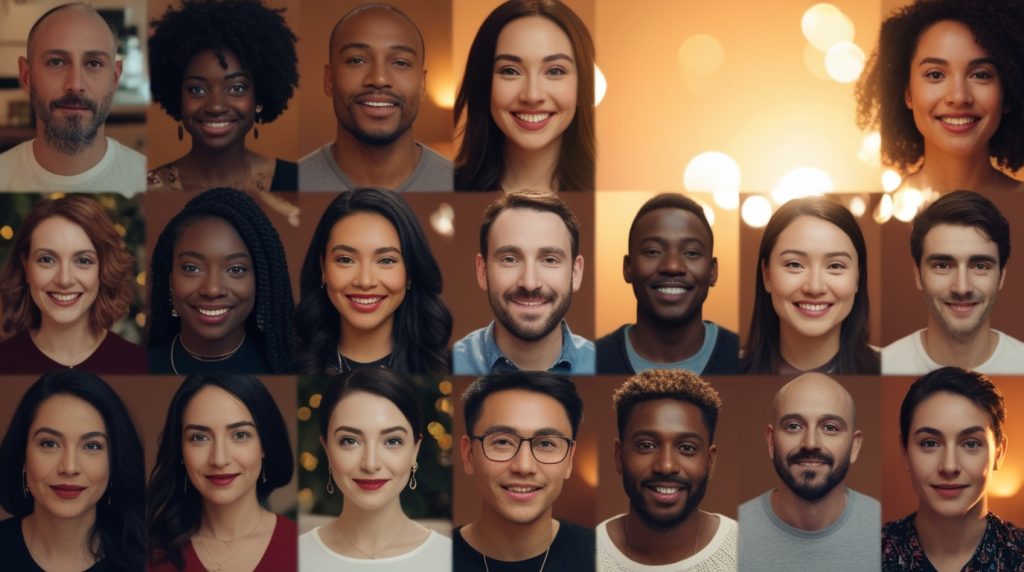

Online communities, fandoms, and parasocial bonds shape modern social life, fulfilling needs for belonging, identity, and connection in virtual spaces. These digital ecosystems leverage psychology to foster intense loyalty, shared rituals, and one-sided relationships with influencers. As platforms proliferate, understanding their mental health impacts becomes essential for participants, creators, and clinicians.
This article examines the psychological mechanisms driving online groups, the fervor of fandoms, the intimacy of parasocial ties, and strategies for healthy engagement. Readers discover how these phenomena meet innate human drives while risking toxicity, isolation, or identity fusion.
Conceptual Framework
Online communities are digital gatherings around shared interests, from Reddit subreddits to Discord servers, providing social support and norms. Fandoms intensify this through devotion to media like K-pop groups or TV series, involving creative output like fanfiction. Parasocial bonds describe illusory friendships with celebrities or streamers, where fans feel personally known despite one-way interaction.
These overlap: fandoms form communities, influencers cultivate parasociality. Psychology views them through social identity theory, where group membership boosts self-esteem via in-group favoritism.
Social identity theory explains in-group pride and out-group bias fueling tribalism. Uses and gratifications theory posits users seek belonging, escapism, or information. Attachment theory frames parasocial bonds as secure base substitutes, especially for lonely individuals.
Online disinhibition effect lowers restraints, amplifying empathy or aggression in anonymity. Flow theory describes immersive fandom states enhancing well-being through deep engagement.
Psychology of Online Communities
Online communities satisfy fundamental belonging needs, offering 24/7 access to like-minded peers transcending geography. Support forums for mental health or hobbies reduce loneliness via validation and advice. Shared language and memes create instant rapport, mimicking tribal bonds.
Positive spirals emerge: reciprocity builds trust, escalating participation and emotional investment over time.
Norms enforce via upvotes, moderation, or pile-ons, shaping behavior through social proof. Echo chambers reinforce beliefs, polarizing views. Leadership by mods or influencers steers culture, from inclusive to cult-like.
Deindividuation in anonymity boosts conformity or deviance, explaining mob mentalities in cancel culture.
The Fervor of Fandoms
Identity Fusion and Devotion
Fandoms fuse personal identity with the object of fandom, where fans see “we” as family. Emotional highs from content releases trigger dopamine, akin to addiction. Creative expressions like cosplay or edits externalize passion, boosting agency.
Collective effervescence in live streams or conventions mimics religious rituals, forging transcendent unity.
Fan Labor and Emotional Investment
Fans invest time in archiving, theorizing, or defending idols, deriving purpose. Toxicity arises when rivalry escalates to harassment, blurring play and harm. Healthy fandoms empower through skill-building and friendships.
Parasocial Relationships Explained
Formation and Maintenance
Parasocial bonds form via direct address in videos—”Hey guys!”—and consistent persona exposure, fostering familiarity. Reciprocity illusion grows from reply likes or Q&As, activating brain reward centers like real friendships. Vulnerable disclosures deepen intimacy.
One-sidedness persists, yet provides companionship without rejection risk, ideal for introverts or isolated individuals.
Psychological Benefits and Risks
Benefits include modeled resilience from influencers sharing struggles, reducing stigma. Risks involve over-reliance, grief at “breakups,” or exploitation via monetized vulnerability. Boundary breaches like stalking highlight dark potentials.
Individual Differences and Vulnerable Groups
Adolescents seek identity in fandoms, adults seek escapism in communities. Lonely or marginalized individuals bond parasocially for acceptance. Neurodiverse users thrive in niche groups matching intensities, while extroverts leverage them for networking.
Gender patterns show women dominant in fandoms, men in gaming communities. Age gaps: Gen Z fluid in parasociality, Boomers cautious.
Specific Mental Health Outcomes
Communities combat isolation via virtual hugs and advice. Fandom creativity enhances self-efficacy. Parasocial role models inspire goals, lifting depression.
Cyberbullying in groups triggers anxiety. Doomscrolling addicts via variable rewards. Extreme fandom erodes real-life priorities, fostering dissociation.
Echo chambers radicalize via confirmation bias. Parasocial gurus manipulate into conspiracies or consumerism, risking cult dynamics.
Mechanisms of Engagement and Retention
Algorithmic Psychology
Algorithms feed engaging content, trapping users in loops via FOMO. Notifications hijack dopamine, conditioning constant checks.
Social Capital and Status Hierarchies
Badges, followers confer status, motivating performance. Gatekeeping protects exclusivity, heightening belonging for insiders.
Therapeutic and Healthy Engagement Perspectives
Clinicians harness communities for peer support in therapy homework. Analyze parasocial grief as attachment loss. Teach discernment: real vs. illusory bonds.
Fandom therapy channels passion productively, reframing it as a strength.
Evidence-Based Recommendations for Individuals
Curate feeds mindfully, diversifying sources to break bubbles. Set time limits, prioritizing offline ties. Engage reciprocally, not just consume.
Reflect on emotional pulls: use as a self-awareness tool. Celebrate community wins without fusion.
Recommendations for Community Builders and Platforms
Foster inclusivity via clear rules, diverse mods. Promote critical thinking against misinformation. Platforms add well-being nudges like break reminders.
Influencers disclose sponsorships, model boundaries to nurture healthy parasociality.
Future Trends and Research Gaps
VR communities deepen immersion, blurring the line between real and virtual. AI companions evolve parasociality ethically? Metaverse fandoms redefine space.
Gaps: longitudinal well-being impacts, cross-cultural dynamics, and interventions for toxicity.
Closing Section
Online communities, fandoms, and parasocial bonds enrich human connection yet demand mindful navigation. Psychology illuminates their power and pitfalls, guiding balanced digital lives. Harnessed wisely, they amplify a sense of belonging in an interconnected world.
FAQ
What creates strong parasocial bonds with influencers?
Strong parasocial bonds with influencers develop through consistent exposure to their authentic-seeming personas, direct camera address that simulates personal conversation, and shared vulnerabilities like mental health disclosures that evoke empathy and trust as if in a real friendship. Platforms enhance this via comments sections simulating reciprocity and algorithms prioritizing relatable content, deepening the one-sided intimacy over repeated viewings. While fulfilling companionship needs, these bonds thrive on perceived accessibility, prompting fans to invest emotionally as the influencer narrates a curated life story mirroring audience struggles.
How do online communities reduce feelings of loneliness?
Online communities reduce feelings of loneliness by providing immediate access to empathetic listeners who validate experiences through shared stories and virtual presence, recreating the warmth of physical tribes regardless of location or time zones. Niche focus ensures perfect matches in interests or identities often absent offline, fostering deep rapport via inside jokes and rituals that signal unbreakable belonging. Over time, escalating interactions from lurking to active participation build genuine friendships, transforming transient chats into lasting support networks that buffer isolation effectively.
Why do fandoms sometimes turn toxic?
Fandoms turn toxic when intense identity fusion clashes with rival groups or internal dissent, amplifying out-group hate through dehumanizing memes and doxxing under anonymity’s shield. Social media accelerates pile-ons via viral outrage, where defending the fandom justifies extreme loyalty overriding empathy. Leadership vacuums or influencer missteps ignite schisms, escalating devotion into harassment as members police purity to reclaim superiority amid threats to the collective identity.
Can parasocial relationships replace real friendships?
Parasocial relationships cannot fully replace real friendships because they lack mutual vulnerability, conflict resolution, and physical co-presence essential for deep emotional intimacy and growth through friction. They excel as supplements, offering inspiration and low-stakes companionship for socially anxious individuals, but over-reliance erodes skills for reciprocal bonds prone to rejection. Balanced integration enhances real ties by modeling communication while fulfilling gaps until offline connections strengthen.
How do algorithms influence community psychology?
Algorithms influence community psychology by curating echo chambers that reinforce extreme views through selective content exposure, heightening polarization and in-group solidarity via outrage bait that spikes engagement metrics. Variable reward schedules like unpredictable notifications mimic slot machines, addicting users to constant checks and escalating emotional investment. Ethical design could nudge diversity, but profit-driven maximization prioritizes retention over well-being, shaping toxic norms invisibly.
Recommended Books
- It’s Complicated: The Social Lives of Networked Teens by danah boyd
- Participatory Culture in a Networked Era by Henry Jenkins
- A Networked Self: Identity, Community, and Culture on Social Media Sites by Zizi Papacharissi
- Left to Our Own Devices: Outsmarting Smart Technology to Reclaim Our Relationships by Margaret Morris
- Fandom: Identities and Communities in a Mediated World by Jonathan Gray