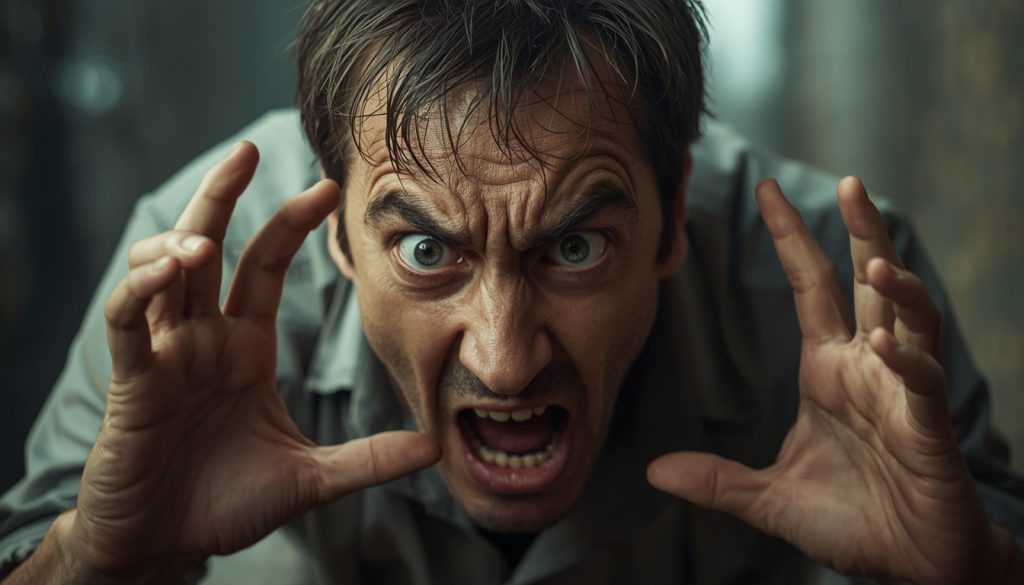

It often begins without warning. A person is standing in a supermarket queue, sitting in a meeting, driving along a familiar road, or lying quietly in bed, and then the body seems to sound an alarm. The heart pounds so hard that it can be felt in the throat. Breathing becomes quick and shallow, or it feels as though no amount of air is enough. The hands tingle, the head swims, the chest tightens, and a wave of heat or cold passes through the skin. Surroundings may begin to look strange or unreal. Above all there is a conviction, often overwhelming, that something terrible is happening: a heart attack, a stroke, suffocation, fainting in public, or losing control of the mind. Within minutes the sensations reach a peak, and then, gradually, they fade, leaving the person shaken, drained, and frightened that it will happen again.
This experience is called a panic attack, and it is far more common than most people assume. Surveys in many countries suggest that roughly one in ten adults has at least one panic attack in a given year, and a considerably larger share will have one at some point in life. For most of them it is an isolated episode linked to a period of stress, poor sleep, or a stimulant such as too much caffeine. For a smaller group, the attacks recur, and the fear of having another one starts to shape daily decisions. In that case the person may be developing panic disorder, a condition that is highly treatable but frequently misunderstood, misdiagnosed, or hidden because of embarrassment.
Panic attacks are alarming largely because the sensations are real. They are not imagined, and they are not a sign of weakness or exaggeration. They are produced by the body’s own threat-response system firing at full strength in the absence of any external danger that justifies it. Understanding exactly what happens during an attack, why the body behaves this way, and why the experience is harmless in itself, even though it feels catastrophic, is one of the most powerful steps toward recovery. Knowledge does not remove the sensations, but it changes the meaning attached to them, and as this article explains, meaning is the main fuel of panic.
This article offers a detailed, evidence-based account of panic attacks. It defines what a panic attack is and how it differs from panic disorder and from ordinary anxiety. It follows the physiological chain of events, from the brain’s alarm centers to the heart, lungs, muscles, and gut, and explains why each symptom occurs. It describes the cognitive and learning processes that turn a single frightening episode into a lasting problem, reviews risk factors and medical conditions that can mimic panic, and sets out practical, step-by-step strategies for getting through an attack. It also examines the treatments with the strongest evidence and offers guidance for those who support someone prone to panic. The central message is that a panic attack, however terrifying, is a surge of the body’s normal defensive machinery. It is time-limited, it cannot cause the catastrophes that the mind predicts, and it can be learned from and ultimately overcome.
What a Panic Attack Actually Is
In clinical terms, a panic attack is an abrupt surge of intense fear or intense discomfort that reaches its peak within minutes and during which a person experiences at least four of a defined list of thirteen symptoms. The list, used in the fifth edition of the Diagnostic and Statistical Manual of Mental Disorders, includes palpitations or a pounding heart, sweating, trembling or shaking, sensations of shortness of breath or smothering, a feeling of choking, chest pain or discomfort, nausea or abdominal distress, dizziness or lightheadedness, chills or heat sensations, numbness or tingling, feelings of unreality or of being detached from oneself, fear of losing control or going crazy, and fear of dying. The number four is a convention that separates a full panic attack from a limited-symptom attack, in which fewer symptoms occur. Limited-symptom attacks can be nearly as distressing and respond to the same strategies.
Several features of this definition deserve attention. The first is speed. The surge is described as abrupt, and its peak is reached within minutes, often within five to ten. The second is the combination of bodily and mental symptoms. A panic attack is not merely a strong feeling of worry. It is a whole-body event in which physical sensations and frightening thoughts amplify each other. The third is the absence of proportionate danger. Fear is a healthy response to a genuine threat, such as a car swerving toward you. A panic attack involves the same response without such a trigger, or with a trigger that is far too small to explain it.
Expected and Unexpected Attacks
Clinicians distinguish between unexpected and expected panic attacks. An unexpected attack seems to come out of nowhere, with no obvious cue in the environment or in the person’s thoughts. A person may be relaxing on a sofa when the surge begins. An expected attack is tied to a recognizable cue or situation, such as a crowded train, a lift, a bridge, or a public speaking event. Many people have both types. The distinction matters because unexpected attacks are the defining feature of panic disorder, and because they are particularly frightening: if an attack can strike at any moment, nowhere feels entirely safe.
Even attacks that seem to come from nowhere usually have a trigger that is simply not noticed in the moment. It may be a subtle bodily sensation, such as a skipped heartbeat or a brief dizzy spell, or a passing thought, or a change in breathing, or a state of accumulated stress and fatigue that lowers the threshold at which the alarm fires. People who have worked through treatment often look back and realize that the attacks were never truly random.
Panic Attack, Panic Disorder, and So-Called Anxiety Attacks
A panic attack is an event. Panic disorder is a condition. The disorder is diagnosed when a person has recurrent unexpected panic attacks and, after at least one of them, has spent a month or more either worrying persistently about further attacks or their consequences, or changing behavior in a way that is meant to avoid them. The worry may concern losing control, having a heart attack, or going mad. The behavior change may involve avoiding exercise, coffee, certain places, or being alone. It is the persistent fear of the attacks and the avoidance they cause, more than the attacks themselves, that define the disorder and drive its impact on life.
The phrase anxiety attack is widely used in everyday speech, but it is not a formal diagnostic term. People use it in different ways. Sometimes it means a panic attack. Sometimes it describes a period of building anxiety, with worry, tension, and unease, that develops gradually over hours or days in response to a stressor. The two experiences differ in an important respect. Anxiety usually builds slowly, is tied to a worry about something in the future, and tends to be milder and longer lasting. A panic attack erupts quickly, peaks within minutes, and is dominated by an intense sense of immediate danger, often focused on the body. Many people with an anxiety disorder experience both, and the line between them can blur, but the distinction helps in choosing strategies.
How Common Panic Attacks Are
Community surveys suggest that around eleven percent of adults in some Western countries report a panic attack in the course of a year, and a larger proportion report one at some point in their lives. Panic disorder itself is much less common, affecting roughly two to five percent of people over a lifetime, with women diagnosed about twice as often as men. The typical age of onset falls in late adolescence and the twenties and thirties, although it can begin in childhood or in later life. Panic attacks also appear as part of other conditions, including social anxiety, post-traumatic stress, specific phobias, and depression, which is why the term describes a type of experience that can occur across many disorders, not a diagnosis in itself.
What Happens in the Body During a Panic Attack
To understand a panic attack, it helps to understand the system that produces it. Every human being, like every mammal, carries an ancient defensive circuit designed to detect danger and mobilize the body to survive it. This circuit is usually called the fight-or-flight response, although modern researchers often add freezing and fainting to the list. When it works as intended, it saves lives. A panic attack is what happens when this circuit is triggered at full strength without a real external threat to justify it. Every symptom of a panic attack, however strange or frightening, can be traced to the logic of this system.
The Brain’s Alarm System
The process begins in the brain. A small, almond-shaped structure deep in the temporal lobe, the amygdala, acts as a rapid threat detector. It receives information from the senses and from the body’s internal state, and it evaluates that information for signs of danger far faster than conscious thought can. Because speed matters in a real emergency, the amygdala can trigger a response before the thinking parts of the brain, such as the prefrontal cortex, have had a chance to judge whether the threat is real. In panic, the amygdala and its connections appear to be overly sensitive, so that a signal that would normally be ignored, such as a skipped heartbeat, a moment of breathlessness, or a flash of worry, is treated as an emergency.
The amygdala communicates with other regions. It signals the hypothalamus, which activates the autonomic nervous system and the hormonal stress axis. It signals the brainstem, including a region called the periaqueductal gray, which organizes defensive behaviors and is associated with sensations of dread and the urge to escape. It activates the locus coeruleus, a small cluster of cells that releases noradrenaline throughout the brain and sharply heightens alertness and vigilance. The insula, a region that monitors internal bodily states, is thought to play an important role in how strongly bodily sensations are noticed and how threatening they feel. In people prone to panic, there is evidence that this internal monitoring is particularly sensitive, which helps explain why they notice small shifts in heartbeat or breathing that others miss.
The Sympathetic Surge and Adrenaline
Within seconds, the sympathetic branch of the autonomic nervous system sends signals throughout the body. The adrenal glands, which sit above the kidneys, release adrenaline and noradrenaline into the bloodstream. These chemical messengers act on nearly every organ. They also give a surge of energy and sharpen reflexes, which would be helpful if a person actually had to run or fight. The body is, in effect, preparing for intense physical exertion that is not going to happen. This mismatch between preparation and action explains much of the discomfort of panic: the body has been loaded with fuel for an emergency, and there is nowhere for it to go.
A second, slower system also becomes active. The hypothalamic-pituitary-adrenal axis releases cortisol, which sustains the response over a longer period and mobilizes stored energy. Cortisol is not responsible for the rapid onset of the attack, but it contributes to the lingering sense of tension and exhaustion that often follows. People often report that for hours after an attack they feel jittery, tired, and on edge, which reflects the time it takes for the body’s chemistry to settle.
The Heart and Circulation
Adrenaline acts directly on the heart, making it beat faster and harder. Heart rate can rise from about seventy beats per minute at rest to well over one hundred and twenty. A person may feel the heart racing, pounding, or fluttering, and may become aware of individual beats, which are normally unnoticed. Blood pressure rises temporarily. Blood vessels in the skin and digestive tract narrow, while blood is redirected toward the large muscles. This redistribution explains several symptoms: pale or clammy skin, cold hands and feet, and sensations of heat or chills as the body’s temperature regulation is disturbed.
A pounding heart in panic is a normal, healthy heart responding to a surge of adrenaline. Although the sensation can feel like a cardiac emergency, a healthy heart is built to tolerate rates far higher than those reached during panic, as it does in vigorous exercise. Studies of people with panic disorder who undergo cardiac monitoring show that the heart rate rises and falls with the attack and that the changes do not damage the heart. This point is worth stating plainly because the fear of a heart attack is one of the most common and distressing thoughts during an attack, and it is a major reason why people go to emergency departments.
Breathing and the Role of Carbon Dioxide
Breathing changes are central to the panic experience. Under sympathetic activation, breathing becomes faster and more shallow, moving from the abdomen to the upper chest. People often report that they cannot get enough air, that their chest is tight, or that they are suffocating. In many cases this leads to hyperventilation, which means breathing more than the body’s metabolic needs require. Because the person is not actually exercising, they expel carbon dioxide faster than the body produces it, and the level of carbon dioxide in the blood falls.
This drop in carbon dioxide has several effects. It makes the blood slightly more alkaline, which alters how calcium is handled in the tissues and can produce tingling in the fingers, toes, and around the mouth, as well as muscle cramps or spasms in the hands. It causes the blood vessels supplying the brain to constrict, reducing blood flow slightly, which produces lightheadedness, dizziness, blurred vision, and a sense of unreality. It can also make the person feel that breathing is more difficult, which prompts yet more rapid breathing and deepens the problem. It is therefore a self-reinforcing loop, and it is one reason why the common advice to take deep breaths, if followed by gulping in large amounts of air, can backfire.
It is worth noting that the precise role of hyperventilation in panic is debated. Not everyone with panic hyperventilates, and in some people the sensation of breathlessness arises before any measurable change in breathing. One influential theory proposes that people prone to panic have an unusually sensitive detector for rising carbon dioxide, a kind of false suffocation alarm, so that they feel a strong urge to breathe when others would not. Whatever the exact mechanism, the practical conclusion is consistent: slow, steady breathing, with an emphasis on a gentle exhalation, helps restore the balance, as later sections describe.
Muscles, Chest Tightness, and Pain
Muscles throughout the body tense in preparation for action. Tension in the muscles of the chest wall and around the ribs can produce a sensation of tightness or pressure, and sharp or stabbing pains are common. Rapid breathing can aggravate this, because the muscles between the ribs are working harder than usual. Tension in the neck, jaw, and shoulders is typical, and trembling or shaking occurs as the muscles fire in response to adrenaline. These sensations can be mistaken for signs of a heart problem, but they have a mechanical explanation and typically fade as the body calms. It should be added, however, that chest pain is a symptom that should never be dismissed without medical evaluation the first time it occurs, a point discussed in a later section.
Digestion, Sweating, and Temperature
Because digestion is not a priority in an emergency, the gut slows down or is disrupted. Saliva production falls, producing a dry mouth, and a person may feel a lump in the throat, as though they were choking, which results from tension in the muscles around the throat. Nausea, abdominal cramping, and a sudden urge to use the toilet are common, because the gut is richly supplied with nerves that respond to stress. In some people, the response includes vomiting. Sweating increases to cool the body in anticipation of exertion, and hot flushes or chills result from the shifting of blood flow between the skin and the core.
Perception: Dizziness, Derealization, and Depersonalization
Some of the most disturbing symptoms concern perception and the sense of self. Derealization is the feeling that the world is unreal, dreamlike, foggy, or strangely distant. Depersonalization is a feeling of being detached from one’s own body or thoughts, as though watching oneself from outside. These experiences are thought to result in part from reduced blood flow in the brain during hyperventilation, and in part from the brain’s tendency to dampen emotional processing when it is overwhelmed. They can be among the most frightening aspects of an attack, because they feed the belief that one is going insane. In reality they are common, well-documented features of acute stress and are not signs of psychosis. People with true psychotic illness do not typically respond with terror to the feeling of unreality, and these sensations pass as the attack subsides.
Vision may narrow into a kind of tunnel, sounds may seem muffled or unusually sharp, and hands may feel as if they belong to someone else. All of this reflects how the brain reallocates attention in the face of perceived danger, focusing on the threat and filtering out other information.
Why the Attack Peaks and Then Ends
A crucial fact about panic is that it cannot continue indefinitely. The body is simply not built to sustain the peak of the sympathetic response. Adrenaline is cleared from the bloodstream quickly, with a half-life of only a few minutes. As the chemical messengers fall, the parasympathetic nervous system, the branch responsible for rest and recovery, takes over and slows the heart, deepens breathing, and relaxes the muscles. The brain’s own regulatory systems, including the prefrontal cortex, also come back online and dampen the alarm. Most panic attacks reach their peak intensity within about ten minutes and subside substantially within twenty or thirty. Some people experience waves, in which the sensations ease and then return, but each wave is itself time-limited.
Several things can prolong an attack. The most important is the continuing appearance of frightening thoughts and the struggle against the sensations, which keep the alarm system active and release more adrenaline. When a person interprets each symptom as evidence that the danger is real, the brain keeps firing the alarm. By contrast, when a person recognizes the symptoms as panic and lets them run their course, the surge tends to burn out faster. This principle underlies nearly all effective self-help strategies for panic.
Why a Harmless Event Feels Like Dying: The Psychology of Panic
The physiology explains why the sensations occur, but it does not explain why some people experience repeated attacks, develop panic disorder, and begin to organize their lives around fear. For that, researchers turn to cognitive and learning theories. Several models have been developed, and their central insights can be combined into a coherent account.
Catastrophic Misinterpretation
The most influential cognitive account of panic was proposed by the British psychologist David Clark in the 1980s. He suggested that panic attacks result from the catastrophic misinterpretation of bodily sensations. According to this model, a person notices a normal bodily sensation, such as a faster heartbeat, a moment of dizziness, or a tight chest. The sensation might be triggered by exercise, caffeine, a sudden movement, or an emotional state. The person then interprets the sensation as a sign of imminent danger: “My heart is racing, I am having a heart attack,” or “I feel dizzy, I am going to faint,” or “I cannot breathe, I will suffocate.” This interpretation produces fear, and fear produces further physical symptoms through the sympathetic response. The new symptoms are noticed, interpreted as confirmation that the danger is real, and the cycle accelerates into a full panic attack within minutes.
This model has several important implications. It shows that panic does not need an external trigger, since the trigger is a bodily sensation. It explains why panic can feel as if it comes from nowhere, because the initial sensation and the interpretation happen so quickly that the person is aware only of the fear. And it explains why reassurance can be so powerful in therapy: when a person comes to understand that the sensations are the result of an alarm response and not of disease, the catastrophic interpretation weakens, and the cycle loses its fuel.
Fear of Fear and Anxiety Sensitivity
A related concept is anxiety sensitivity, a stable trait describing the degree to which a person fears the sensations of anxiety themselves. A person with high anxiety sensitivity believes that a racing heart, shortness of breath, or dizziness is dangerous, whether physically, socially, or mentally. For such a person, any arousal is threatening, and it triggers fear, which increases arousal. Research has shown that anxiety sensitivity predicts who will go on to experience panic attacks and develop panic disorder, and that it can be reduced by treatment. The phrase fear of fear, widely used in the clinical literature, captures the idea that the object of the person’s dread is the experience of anxiety itself.
Interoceptive Conditioning
Learning theory offers a complementary explanation. When a panic attack occurs, the intense fear becomes associated with whatever was present, including the setting, the time of day, and especially the subtle bodily sensations that preceded it. Through a process of classical conditioning, called interoceptive conditioning when the cues are internal, those early sensations become learned signals for panic. A slight change in breathing or heartbeat that occurs at the beginning of the attack can come to trigger an alarm on its own, even when the original circumstances are absent. The conditioned response is rapid and automatic, which is why people experience their attacks as sudden and uncontrollable. The same process allows panic to be triggered by anything that mimics the sensations of an attack, including exercise, hot rooms, coffee, or sexual arousal, all of which increase heart rate and breathing.
Hypervigilance and Avoidance
As panic becomes more established, two further processes strengthen it. The first is hypervigilance toward the body. The person begins to scan constantly for signs of an impending attack, monitoring heartbeat, breathing, and dizziness. Because all bodies produce fluctuating sensations, constant scanning finds plenty to alarm the person, and a normal skipped beat now feels ominous. The second is avoidance. After an attack in a particular place, the person starts to avoid it. They may also avoid exercise, coffee, alcohol, arguments, hot showers, or anything that raises the heartbeat. Subtler behaviors, called safety behaviors, include carrying medication or water at all times, sitting near an exit, never going out alone, or constantly checking one’s pulse.
Avoidance and safety behaviors bring short-term relief, and that relief teaches the brain that they are necessary for survival. The person never has the chance to find out that the feared catastrophe would not have happened, that the panic would have passed anyway, and that the places and activities were safe. As a result, the fear persists and often spreads. This mechanism explains how panic can lead to agoraphobia, a fear of situations from which escape might be difficult or help unavailable. Agoraphobia can shrink a person’s world dramatically, in severe cases to the point of being unable to leave home.
The Expectation Trap
The anticipation of panic can itself generate panic. Because the person fears the next attack, they enter feared situations in a state of heightened anxiety and vigilance, which makes an attack more likely. Anticipatory anxiety, the worry about future attacks, is often more disruptive in daily life than the attacks themselves. A person may spend days dreading an upcoming meeting, a flight, or a social event, and the dread may build into an attack before the event begins. This is the point at which panic changes from a series of isolated episodes into a pattern that shapes life, and it is the main target of effective treatment.
What Triggers Panic and Who Is Vulnerable
Like most psychological conditions, panic arises from the interaction of many factors. No single cause has been identified, and different people may follow different pathways. The factors can be grouped into inherited vulnerability, temperament, life circumstances, physical triggers, and learning.
Genetic and Biological Factors
Panic disorder runs in families. Close relatives of people with the disorder are several times more likely to develop it than people in the general population, and twin studies suggest a heritability of roughly thirty to forty percent. No single gene is responsible. Instead, many genes with small effects appear to influence the sensitivity of the brain’s alarm circuits and the regulation of neurotransmitters such as serotonin, noradrenaline, and gamma-aminobutyric acid. Differences in how the brain responds to carbon dioxide have also been found, which supports the idea of an overly sensitive suffocation alarm in some people.
Temperament and Personality
Certain temperamental traits raise vulnerability. People who are high in negative emotionality, who are more sensitive to threat, who have high anxiety sensitivity, or who were behaviorally inhibited as children appear to be at greater risk. A tendency to focus on bodily sensations and to interpret them as signs of illness also increases risk. None of these traits is a flaw. Many are linked to sensitivity, conscientiousness, and care, but in combination with stress they can lower the threshold for panic.
Stress and Life Events
Panic attacks often first appear during or after a period of significant stress. Common precipitants include bereavement, a breakup, job loss, illness, exams, the birth of a child, moving, or accumulated pressure from work or caregiving. Stress prepares the body by raising baseline arousal, so that the system is closer to the threshold at which an attack occurs. People frequently say the first attack came when they felt they were coping well, which is explained by the fact that the body can carry stress for some time before the accumulated load reveals itself. Early adversity, such as childhood abuse, neglect, or the loss of a parent, is also associated with a higher risk of panic disorder in adulthood.
Physical and Chemical Triggers
Several substances and states can provoke panic or lower its threshold. Caffeine is among the most common, since it stimulates the sympathetic nervous system and produces exactly the sensations that people with panic fear: a racing heart, trembling, and restlessness. Nicotine, energy drinks, decongestants, and some stimulant medications have similar effects. Cannabis can trigger panic in some users, particularly with high-potency products, and stimulant drugs such as cocaine and amphetamines are well-known triggers. Alcohol is a more subtle problem: it may reduce anxiety temporarily, but as it wears off the nervous system rebounds into a state of heightened arousal, and a hangover with dehydration, low blood sugar, and poor sleep can set the stage for an attack. Withdrawal from alcohol, benzodiazepines, or other drugs can also cause panic-like symptoms.
Sleep deprivation, skipped meals leading to low blood sugar, dehydration, intense exercise in a person unaccustomed to it, and hormonal changes, including those associated with the menstrual cycle, pregnancy, the postpartum period, and the menopausal transition, can also contribute. None of these is a cause in the strict sense. They act as amplifiers that bring the body closer to the point at which a minor sensation is interpreted as a threat.
Panic at Night
Many people are woken from sleep by a panic attack, and nocturnal panic can be especially frightening because it strikes without any visible trigger and without the distraction of daily activity. These attacks typically occur in the transition between light sleep and deeper sleep, not during dreaming, and so they are distinct from nightmares. The person wakes with a pounding heart, shortness of breath, and a sense of dread, often unable to say what has happened. The same physiological processes are involved, and the same strategies help. Nocturnal panic can create fear of sleep itself, leading to insomnia, which in turn raises the risk of further attacks. Treatment for panic disorder generally reduces nocturnal attacks as well, and addressing sleep habits supports recovery.
When It Might Not Be Panic: Medical Conditions That Mimic It
Because the symptoms of panic overlap with those of several physical conditions, a medical evaluation is an essential part of the first assessment. This is not meant to alarm but to ensure accurate diagnosis. A person who has never had such an episode before, particularly one who experiences chest pain, should be examined by a doctor, and a person who is unsure should lean toward seeking care.
Conditions that can mimic panic include irregular heart rhythms, such as supraventricular tachycardia, in which the heart suddenly races; coronary artery disease and angina; an overactive thyroid, which causes a fast heartbeat, tremor, sweating, and anxiety; asthma and other lung conditions; low blood sugar; anemia; inner-ear disorders affecting balance; certain forms of epilepsy; and rare hormone-secreting tumors. Medications and substances, including thyroid hormone, steroids, stimulants, and the withdrawal from certain drugs, can also produce panic-like symptoms. A typical assessment involves a medical history, a physical examination, and sometimes an electrocardiogram and blood tests, particularly for thyroid function and blood count. Once these have excluded another cause, the diagnosis of panic becomes more secure, and many people find the reassurance of a clean examination helpful, although for some the reassurance is short-lived, which is itself a feature of panic disorder.
Signs That Call for Urgent Medical Attention
While most people who experience these symptoms are having a panic attack, some warning signs call for emergency care. Chest pain or pressure that is crushing, that spreads to the arm, jaw, or back, or that is accompanied by sweating and nausea in a person with risk factors for heart disease, such as older age, smoking, high blood pressure, diabetes, or a family history, warrants urgent evaluation. So do fainting, sudden weakness on one side of the body, difficulty speaking, a severe headache that comes on abruptly, a high fever, or breathing difficulty that does not ease. If there is any doubt, calling emergency services is the safe option. Doctors would rather assess a person who turns out to have panic than miss a genuine emergency.
How to Ride Out a Panic Attack
The phrase riding out an attack reflects an important principle. The aim is not to fight, suppress, or escape the sensations but to let the wave pass while keeping oneself steady. The urge to resist and to flee is natural, but it is precisely the resistance that sustains the attack. A useful image is that of a wave: it rises, peaks, and falls, and a person who tries to push against it is thrown about, while a person who stays relaxed and lets it move through is carried safely to shore. The following sections describe the main strategies, which can be used individually or in combination. They work best when practiced beforehand, during calm periods, because skills that have been rehearsed are far easier to access in a crisis.
Recognize It and Name It
The first and most powerful step is to identify what is happening. Telling oneself, silently or aloud, “This is a panic attack. It is uncomfortable but not dangerous. It will peak and pass” interrupts the catastrophic interpretation that fuels the cycle. Naming the experience engages the thinking brain and reduces the sense of mystery and threat. Some people find it helpful to add specific facts: “My heart is racing because of adrenaline. A healthy heart can handle this. The adrenaline will be gone in a few minutes.” The goal is not to convince oneself that the sensations are pleasant but to replace a catastrophic explanation with an accurate one. It helps to have a short, rehearsed statement, since in the midst of an attack it is hard to compose complex thoughts.
Slow the Breathing, Lengthen the Exhale
Because breathing is the one component of the stress response that a person can influence directly, it offers a practical way to dampen the attack. The aim is not to take large, forced breaths, which can worsen hyperventilation, but to breathe slowly and gently, with an emphasis on a long exhalation. A simple pattern is to breathe in quietly through the nose for about four seconds, letting the lower abdomen rise, and then breathe out slowly through the mouth or nose for about six seconds, as if gently blowing on hot soup. Pausing briefly before the next breath is fine. Continuing this pattern for several minutes, at a rate of about six to ten breaths per minute, helps restore the balance of oxygen and carbon dioxide and stimulates the vagus nerve, which activates the parasympathetic system and slows the heart.
Placing one hand on the chest and one on the abdomen can help the person notice which one moves, with the aim of encouraging the lower hand to move more. In the early moments of an attack it may be difficult to slow down, and the person may feel that they need more air. It helps to remember that the feeling of air hunger in hyperventilation is caused by too little carbon dioxide and not by too little oxygen, so breathing less intensely, not more, is the way out. Breathing into a paper bag, once a popular remedy, is not recommended, because it can lower oxygen levels and is dangerous if the cause of the symptoms is not hyperventilation.
Breathing techniques should be seen as a way of releasing tension and giving oneself something constructive to do, not as a method for eliminating the panic by force. If a person uses breathing as a desperate attempt to stop the attack, and then feels that it has failed, the experience can reinforce the belief that the sensations are dangerous. The attitude of calm acceptance is more important than perfect technique.
Ground Yourself in the Present
Panic pulls attention toward the body and toward imagined catastrophes in the future. Grounding techniques redirect attention to the external environment and the present moment. A widely used method is the five-four-three-two-one exercise: name five things that can be seen, four that can be touched, three that can be heard, two that can be smelled, and one that can be tasted. Doing this slowly and concretely engages the senses and the thinking brain, and leaves less room for catastrophic imagery. Variations include describing the room in detail, counting backward from one hundred in sevens, naming all the objects of a certain color, or reciting the alphabet with a word for each letter.
Physical anchors can also help. Pressing your feet firmly into the floor, feeling your body’s weight in a chair, holding an object with an interesting texture, or placing a hand on a solid surface can all provide a sense of stability. For people experiencing derealization, these sensory anchors are especially valuable because they reconnect the person to the physical world.
Release the Muscles
Because panic involves widespread muscle tension, deliberately releasing it can reduce the intensity of the attack. Progressive muscle relaxation involves tensing a muscle group for a few seconds and then releasing it, moving through the body. During an attack, a shorter version can be used: dropping the shoulders away from the ears, unclenching the jaw, relaxing the hands, and softening the face. Even a small release of tension sends a signal of safety to the brain. Gentle stretching or slow walking can serve the same purpose and use up some of the energy adrenaline mobilizes.
Stay, If You Can, and Let the Wave Pass
The urge to flee is one of the strongest features of panic, and escaping a situation does bring immediate relief. Yet leaving at the height of an attack teaches the brain that the place was dangerous and that escape was necessary, which strengthens avoidance. Where it is safe to do so, staying in the situation until the peak has passed, even if this means simply sitting quietly, weakens the learned link between place and fear. This does not mean forcing oneself to endure intolerable distress, or remaining in a genuinely unsafe situation, such as in the driving seat of a moving car. In that case the right course is to pull over safely, remain in the parked vehicle, and let the attack run its course. It does mean, over time and with support, choosing to stay put rather than to run, since each successful experience of surviving an attack in a feared place reduces the fear.
Change the Relationship to the Sensations
An important step is to shift from fighting the sensations to observing them with curiosity. A person can try to describe the feelings in neutral terms, like a scientist: “My chest is tight, my hands are tingling, my heart is beating fast.” Rating the intensity on a scale from zero to ten and checking again a minute later shows that the level rises and falls and does not remain at a constant peak. Telling oneself “I can allow these sensations to be here. They are uncomfortable, but they are not harmful” reduces the secondary fear that sustains the attack. Mindfulness and acceptance-based approaches are built on this principle: the suffering of panic is multiplied by the struggle against it, and the struggle can be dropped even when the sensations remain.
A Simple Step-by-Step Plan
Many people find it helpful to have a brief sequence to follow, written on a card or stored in the phone. A typical sequence runs as follows.
- Pause and say to yourself, “This is a panic attack. It is not dangerous, and it will pass.”
- Check your surroundings and, if you are doing something dangerous such as driving, move to safety first.
- Place your feet on the floor, drop your shoulders, and unclench your jaw.
- Breathe in gently through the nose for four counts and out slowly for six counts, repeating for several minutes.
- Ground yourself by naming things you can see, touch, and hear around you.
- Observe the sensations without fighting them, rating their intensity and noticing how they change.
- Stay where you are if it is safe, until the peak has passed, and then continue your activity gently.
- Afterward, rest, drink some water, and note what happened without self-criticism.
What Does Not Help
Several common responses to panic tend to prolong or worsen it. Fighting the sensations, demanding they stop, and repeatedly checking whether they are improving increases tension. Frantic scanning of the body for signs of danger heightens attention to symptoms. Searching the internet for medical explanations during an attack often turns up alarming possibilities. Gulping air, or breathing deeply and rapidly, can intensify hyperventilation. Reliance on alcohol or other substances to take the edge off provides short-term relief but undermines recovery and can lead to dependence. Constantly relying on another person’s reassurance can become a safety behavior that weakens the person’s confidence in their own ability to cope. Finally, self-criticism, such as telling oneself that one is weak or silly for panicking, adds shame to the fear and makes the next attack more likely.
After the Attack
When an attack subsides, the body is often tired and shaky, and the mind may be flooded with relief, embarrassment, or dread of the next one. It helps to treat the aftermath gently. Drinking water, eating something if hungry, resting, and engaging in a calming activity allow the nervous system to settle. It is also helpful to avoid dwelling on the attack or scrutinizing it for evidence that something is wrong. A brief, factual note about the situation, the sensations, the thoughts, and what helped can be useful for later review or for discussion with a therapist, but lengthy rumination tends to keep the alarm system active. Taking the view that the attack was an uncomfortable but harmless event that has passed, and that the person handled it, supports confidence and reduces the likelihood of recurrence.
Building a Panic-Resistant Lifestyle
Although self-help strategies can reduce the severity of attacks, the larger gains come from reducing the baseline level of arousal and vulnerability. Lifestyle factors have a significant influence on how easily the alarm system is triggered.
Sleep, Food, and Stimulants
Regular, sufficient sleep stabilizes mood and reduces reactivity in the amygdala. Consistent sleep and waking times, a calm evening routine, and limited screen use before bed all support this. Regular meals help to avoid dips in blood sugar that produce sensations resembling anxiety. Reducing or eliminating caffeine is among the most effective single changes for many people with panic, and it is advisable to taper gradually to avoid withdrawal headaches and irritability. Limiting nicotine, energy drinks, and alcohol has similar benefits. Staying well hydrated also helps, because dehydration raises heart rate and can produce dizziness.
Exercise and Movement
Regular aerobic exercise reduces anxiety sensitivity and general arousal over time. It also provides a form of natural exposure to the sensations of a racing heart and rapid breathing in a safe context, teaching the body that these sensations are not dangerous. Some people with panic avoid exercise because it produces the same feelings as an attack. Starting with gentle activity, such as brisk walking, and increasing gradually allows the person to adapt. Over weeks, many find that the sensations lose their power to frighten.
Managing Stress and Daily Tension
Panic is often linked to a background of unaddressed stress. Regular relaxation practices, such as mindfulness, yoga, gentle stretching, or slow breathing exercises, reduce the level of baseline tension. Time in nature, creative activity, and social connection also help. Addressing sources of chronic stress, such as an overloaded schedule, unresolved conflicts, or caregiving burdens, may be necessary for lasting improvement. Learning to set limits and to ask for help are practical skills with direct benefits for the nervous system.
Practicing Calm Breathing in Advance
Slow breathing is most effective when it has been practiced in calm moments, so that it becomes familiar. Setting aside five to ten minutes each day for slow, diaphragmatic breathing builds the skill and also lowers general arousal. When an attack occurs, the technique is then a well-worn path instead of an unfamiliar task. A person who has rehearsed will find it much easier to use the tool when it is needed.
Treatment for Panic Disorder
When panic attacks recur, when fear of them restricts life, or when a person is distressed by the problem, professional treatment is appropriate. Panic disorder is one of the most treatable mental health conditions. The great majority of people who receive evidence-based treatment improve substantially, and many become free of panic attacks. Two main types of treatment have strong evidence: cognitive behavioral therapy and medication.
Cognitive Behavioral Therapy
Cognitive behavioral therapy, or CBT, is the first-line psychological treatment for panic disorder. Programs typically involve about twelve to sixteen weekly sessions, although shorter and intensive formats exist. Studies show that roughly half to three-quarters of people who complete CBT for panic disorder become free or nearly free of panic attacks, and that the gains tend to last after treatment ends. The treatment includes several components, which are tailored to the person.
The first component is psychoeducation. The therapist explains the nature of the fight-or-flight response, how the symptoms arise, why they are harmless, and how the cycle of fear and bodily sensations maintains panic. For many people, this explanation alone brings considerable relief, as it replaces the mystery and threat of the attacks with understanding. The second component is cognitive restructuring. The person learns to identify catastrophic thoughts, such as “I am having a heart attack,” and to examine the evidence for and against them. The aim is to develop more balanced interpretations, such as “I have had this sensation many times before, and I have never had a heart attack. This is my body’s alarm system.”
The third and most powerful component is exposure. In interoceptive exposure, the person deliberately and safely induces the bodily sensations that they fear, under the guidance of the therapist. Exercises may include breathing quickly for a minute to produce dizziness and tingling, spinning in a chair, running on the spot to raise the heart rate, or breathing through a thin straw to produce a sensation of breathlessness. By experiencing the sensations without the catastrophe occurring, the person learns that they are tolerable and harmless, and the conditioned fear response weakens. In situational exposure, also called in vivo exposure, the person gradually confronts the places and activities they have been avoiding, working up a graded list from easier to harder. Throughout, the person drops safety behaviors, so that they can learn that they can cope without them.
Exposure is understandably daunting, and a good therapist introduces it gradually, with clear explanation and consent. The experience of facing the sensations deliberately and discovering that they pass is often described as the turning point in treatment. People report that the attacks lose their threat and that the fear of fear fades.
Other Psychological Approaches
Other approaches have also been studied. Applied relaxation teaches progressive relaxation skills that can be used at the first sign of anxiety, and it has shown benefits comparable to CBT in some studies. Acceptance and commitment therapy and mindfulness-based approaches teach people to observe and accept uncomfortable sensations, while continuing to act in line with their values. Panic-focused psychodynamic psychotherapy, which explores the emotional meanings of panic in the context of the person’s relationships and history, has some evidence of benefit. Self-help programs based on CBT, delivered through books or online platforms, can be effective for mild to moderate panic, especially with some professional support.
Medication
Medication is the second main treatment. Selective serotonin reuptake inhibitors, commonly called SSRIs, such as sertraline, paroxetine, fluoxetine, citalopram, and escitalopram, are usually the first choice. Serotonin and noradrenaline reuptake inhibitors, such as venlafaxine, are also effective. These medications do not provide immediate relief, and it may take several weeks to see the full benefit. Some people experience a temporary increase in jitteriness or anxiety during the first days, so doctors often begin with a low dose and increase it gradually. Treatment is usually continued for at least six to twelve months after improvement to reduce the risk of relapse, and the medication should be reduced slowly under medical supervision, not stopped abruptly.
Benzodiazepines, such as alprazolam and clonazepam, act quickly and can reduce panic symptoms, but they carry risks, including sedation, memory problems, tolerance, dependence, and withdrawal symptoms. They are generally recommended only for short-term use or in specific circumstances. There is also evidence that they may interfere with the learning that occurs during exposure therapy, since the person may attribute their safety to the drug and not to their own ability to cope. For these reasons, most guidelines advise caution, and decisions about their use should be made carefully with a doctor. Other options, such as certain tricyclic antidepressants, are available for people who do not respond to first-line drugs. Beta-blockers, which reduce physical symptoms such as palpitations and tremor, are sometimes used for performance situations, though their role in panic disorder itself is limited.
Choosing Between Treatments
For many people, CBT alone is sufficient, and it has the advantage of lasting benefit without side effects. Medication may be preferred when symptoms are severe, when CBT is not available, or when the person has other conditions such as depression that respond to the same drugs. Combining medication and CBT can be helpful for some, although the evidence on whether the combination is better than CBT alone in the long term is mixed. The choice depends on the person’s preferences, the severity of the condition, past experiences with treatment, and access to qualified therapists. A discussion with a doctor or a mental health professional can clarify the options.
Panic in Particular Situations
Panic can occur anywhere, but certain settings are especially common, and a few practical points can help. These are not substitutes for treatment, but they can make daily life easier while a person is working on recovery.
Driving
An attack while driving is frightening because of the risks involved. The safest approach is to signal, slow down, and pull over at the first safe opportunity, remain in the vehicle with the engine off, and use breathing and grounding strategies until the surge has passed. Planning routes with places to stop, driving with a calm playlist, and gradually rebuilding confidence with short drives can help people who have started to avoid driving. A therapist can help with a graded plan for returning to driving.
Public Places, Transport, and Crowds
In crowded or enclosed settings, the fear of being trapped can intensify panic. It helps to remember that the sensations will peak and pass, that no one is judging as harshly as the person imagines, and that most people will not notice anything unusual. Grounding in the environment, slowing the breathing, and remaining in place until the peak passes all help. In exposure treatment, these are the very situations in which people practice, starting with easier ones and moving up gradually.
Work and Social Situations
Panic at work or in social situations carries the extra burden of embarrassment. Many people fear that others will see their symptoms and think badly of them. In practice, panic is much less visible than it feels, and a person who is calm on the outside often goes unnoticed. Brief excuses, such as stepping out for a glass of water or a short walk, can provide a pause. Some people choose to inform a trusted colleague, friend, or manager about their condition, which can reduce the pressure to hide and make it easier to cope. Workplace adjustments, where appropriate, may also be possible.
Flying
Air travel can combine several triggers: enclosed space, the inability to leave, unfamiliar sounds, and the feeling of lack of control. Preparation helps, including learning how aircraft work, choosing a seat that suits the person, bringing grounding objects, and practicing breathing in advance. Fear of flying is often treated successfully with exposure-based approaches, and some airlines and clinics run specialized courses.
Supporting Someone Who Has Panic Attacks
Witnessing a panic attack in a friend, partner, child, or colleague can be alarming, and it is natural to want to help. The most useful approach is to stay calm, because the other person will often take cues from those around them. A steady presence communicates that the situation is under control.
During an Attack
Speak in a quiet, slow voice, and use short, simple sentences. Reassure the person that what they are experiencing is a panic attack, that it will pass, and that they are safe. Avoid telling them to calm down, which tends to feel dismissive, and avoid arguing about whether their fear is rational. Offer to breathe slowly together, counting out the breaths aloud, and invite them to describe what they can see or hear around them. Ask how they would like to be helped, since preferences differ: some people like to be touched or held, and others prefer space. Do not crowd the person, and do not rush them. If the person has a known history of panic, you usually don’t need to call emergency services, but if you doubt a medical cause, if this is a first episode of chest pain, or if symptoms don’t improve, seek urgent help.
Between Attacks
Between episodes, supportive behavior includes listening without judgment, learning about panic disorder, and encouraging professional treatment. It is better to avoid colluding with avoidance, for example by always doing the feared tasks on the person’s behalf, since this reinforces the fear in the long run. Instead, gentle encouragement toward gradual steps, in agreement with the person and their therapist, is the most helpful approach. Family members should also look after their own well-being, since supporting someone with panic can be demanding.
Common Myths About Panic Attacks
Several widespread beliefs make panic harder to understand and to treat. The first is that a panic attack can cause a heart attack. In fact, the heart rate and blood pressure changes in panic are well within the range that a healthy heart tolerates, and panic attacks do not cause heart attacks. The second is that a person can suffocate or stop breathing during an attack. The feeling of suffocation is a false alarm, and the body continues to breathe automatically. The third is that panic can make a person go insane or lose control. There is no evidence that panic attacks cause psychosis or loss of control, and the person remains aware and able to act throughout.
A fourth myth is that a person can faint during an attack. Fainting results from a drop in blood pressure, whereas panic raises blood pressure, so fainting is rare in panic, except in people who have a specific fear of blood or injury. A fifth myth is that people who have panic attacks are weak or overly emotional. In reality, panic can affect anyone, including those who are strong, competent, and successful, and it reflects the sensitivity of a biological system, not a character flaw. A sixth myth is that panic attacks will never go away. Most people who receive effective treatment recover, and even without treatment, the frequency of attacks often declines over time, although the underlying fear and avoidance may remain.
A Realistic Outlook
The course of panic disorder varies. Some people experience a single period of attacks that resolves, while others have a pattern that waxes and wanes over many years, often influenced by stress. With appropriate treatment, the outlook is encouraging. Long-term follow-up studies of CBT show that most people who respond maintain their gains for years, and that those who experience a setback can recover quickly by returning to the skills they learned. Recovery does not mean never feeling anxious again, since occasional anxiety is part of normal life. It means that the sensations no longer frighten, that avoidance has been replaced by freedom of choice, and that a racing heart is once again just a racing heart.
Many people say that, in retrospect, panic has taught them something valuable about the connection between body and mind, about their own limits, and about the need to take care of themselves. This does not diminish the distress of the experience, but it highlights an important point: panic is a problem that can be solved, and the process of solving it often leaves people more resilient than before.
Conclusion
A panic attack is the body’s emergency system firing at full force without a genuine emergency. The racing heart, the struggle to breathe, the tingling, the dizziness, and the sense of impending doom are all products of adrenaline and altered breathing, and each one has a physiological explanation. They are frightening because they resemble the signs of serious illness, and because the mind, trying to explain them, reaches for the worst possible interpretation. That interpretation produces more fear, more adrenaline, and more symptoms, forming a cycle that peaks within minutes and then subsides when the chemical surge fades.
The most important lessons from decades of research are that panic attacks are time-limited, that they cannot cause the catastrophes that the person fears, and that the cycle can be interrupted. In the moment, this means recognizing the attack, slowing the breathing, grounding in the present, releasing muscle tension, and allowing the wave to pass instead of fighting it. Over time, it means reducing avoidance and safety behaviors, caring for sleep and stimulants, and, when needed, seeking evidence-based treatment such as cognitive behavioral therapy or medication. Anyone who has experienced a first attack, particularly with chest pain, should have a medical check-up to rule out other causes, and anyone whose life is being limited by the fear of attacks should know that effective help is available. Panic is one of the most treatable of all psychological conditions, and the fear that feels so overwhelming in the moment can be unlearned.
FAQ About Panic Attacks
How long does a panic attack last?
Most panic attacks reach their peak within about ten minutes and then begin to ease, with the majority subsiding substantially within twenty to thirty minutes. The surge of adrenaline that drives the attack is cleared from the blood quickly, and the parasympathetic nervous system gradually restores calm. Some people experience waves in which the sensations ease and then return, which can make the episode feel longer, and many feel tired, shaky, or on edge for an hour or more afterward. Attacks that appear to last for hours are often a series of waves or a period of high anxiety with intermittent peaks. If symptoms persist without improvement, or if they are new and accompanied by chest pain, it is wise to seek medical attention.
Can a panic attack cause a heart attack or kill you?
No. A panic attack involves a rapid heartbeat and a rise in blood pressure, but these changes remain well within the range that a healthy heart can tolerate, similar to the effects of vigorous exercise. Panic attacks do not cause heart attacks, and there is no evidence that they cause death in otherwise healthy people. The belief that an attack could be fatal is one of the central misinterpretations that drive panic, which is why correcting it is a key goal of treatment. Because the symptoms can resemble those of heart problems, however, a first episode of chest pain should always be assessed by a doctor, and people with known heart disease or major risk factors should seek urgent care if they are unsure.
What is the difference between a panic attack and an anxiety attack?
The term panic attack has a formal clinical definition, while anxiety attack does not. A panic attack is a sudden surge of intense fear that peaks within minutes and is accompanied by several physical and mental symptoms. People who say they have had an anxiety attack may be describing a panic attack, or they may mean a period of building worry and tension, often tied to a specific stressor, that develops more gradually and tends to be less intense but longer-lasting. Both experiences are real and distressing, and both respond to similar strategies, such as slow breathing, grounding, and cognitive approaches. If the episodes are recurrent or interfere with life, a clinician can clarify what is happening and recommend appropriate treatment.
Why do panic attacks happen for no reason?
Attacks that seem to come from nowhere usually have triggers that are too subtle to notice at the time. These may include a slight change in heartbeat or breathing that the person interprets as threatening, a fleeting worry, accumulated stress, poor sleep, caffeine, hormonal changes, or a conditioned response to cues that were present during an earlier attack. The brain’s alarm system in people prone to panic is more sensitive, so that a small signal produces a large response. Because the interpretation of the signal happens within moments, the person experiences only the fear and not the process that led to it. With practice and therapy, many people become able to trace the early stages of an attack and to interrupt them before the cycle escalates.
Does breathing into a paper bag help?
This traditional remedy is no longer recommended. The idea was that rebreathing exhaled air would restore the level of carbon dioxide lowered by hyperventilation. However, it can also reduce oxygen levels, which is risky if the symptoms are due to a condition other than panic, such as a heart or lung problem. A safer and more effective approach is to slow the breathing gradually, breathing in gently through the nose and out slowly, with the exhalation longer than the inhalation. This restores the balance of gases without any risk and also calms the nervous system through its effect on the vagus nerve. Practicing the technique when calm makes it easier to use during an attack.
Can panic attacks be cured, or will I have them forever?
Panic disorder is among the most treatable mental health conditions, and many people recover fully. Studies of cognitive behavioral therapy show that a majority of those who complete treatment become free or nearly free of attacks, and that the gains are usually long lasting. Medication also helps many people. Some individuals experience occasional recurrences during periods of stress, but those who have learned the skills of therapy can usually manage them quickly. Even without formal treatment, the frequency of attacks may decline over time, but avoidance and fear can persist, so seeking help is worthwhile. The aim of recovery is not to eliminate every episode of anxiety but to remove the fear of the sensations, so that panic no longer controls decisions.
Should I go to the emergency room during a panic attack?
If this is the first time you have experienced such symptoms, particularly chest pain, pressure that spreads to the arm or jaw, fainting, weakness on one side, difficulty speaking, or breathing difficulty that does not ease, it is safest to seek emergency care, because these symptoms can also signal serious medical problems. People with known heart disease, or with risk factors such as older age, smoking, high blood pressure, or diabetes, should be especially cautious. Once a doctor has ruled out other causes and a person recognizes the pattern of their panic attacks, emergency visits are usually unnecessary, and treatment can be pursued through a general practitioner or a mental health professional. Repeated emergency visits for panic often indicate that the person would benefit from specialized help, which can break the cycle.
Can children and teenagers have panic attacks?
Yes. Panic attacks can occur in children and adolescents, although they are more common from the teenage years onward. Young people may struggle to describe what they are feeling and may complain of stomachaches, headaches, or dizziness, or they may become tearful, clingy, or avoid school. Attacks in young people are often triggered by stress related to school, social pressures, family conflict, or major changes. Parents who notice recurring episodes should consult a pediatrician to rule out medical causes and then seek an assessment from a child mental health professional. Cognitive behavioral therapy adapted for young people is effective, and early treatment can prevent the development of avoidance and more persistent problems.
Recommended Books on Panic and Anxiety
- Mastery of Your Anxiety and Panic by David H. Barlow and Michelle G. Craske
- When Panic Attacks: The New, Drug-Free Anxiety Therapy That Can Change Your Life by David D. Burns
- The Anxiety and Phobia Workbook by Edmund J. Bourne
- Don’t Panic: Taking Control of Anxiety Attacks by R. Reid Wilson
- Panic Disorder: The Facts by Stanley Rachman and Padmal de Silva
- Coping with Panic: A Drug-Free Approach to Dealing with Anxiety Attacks by George A. Clum
- Overcoming Panic: A Self-Help Guide Using Cognitive Behavioral Techniques by Derrick Silove and Vijaya Manicavasagar
- Dare: The New Way to End Anxiety and Stop Panic Attacks by Barry McDonagh
- The Worry Trick: How Your Brain Tricks You into Expecting the Worst and What You Can Do About It by David A. Carbonell
- Hope and Help for Your Nerves by Claire Weekes