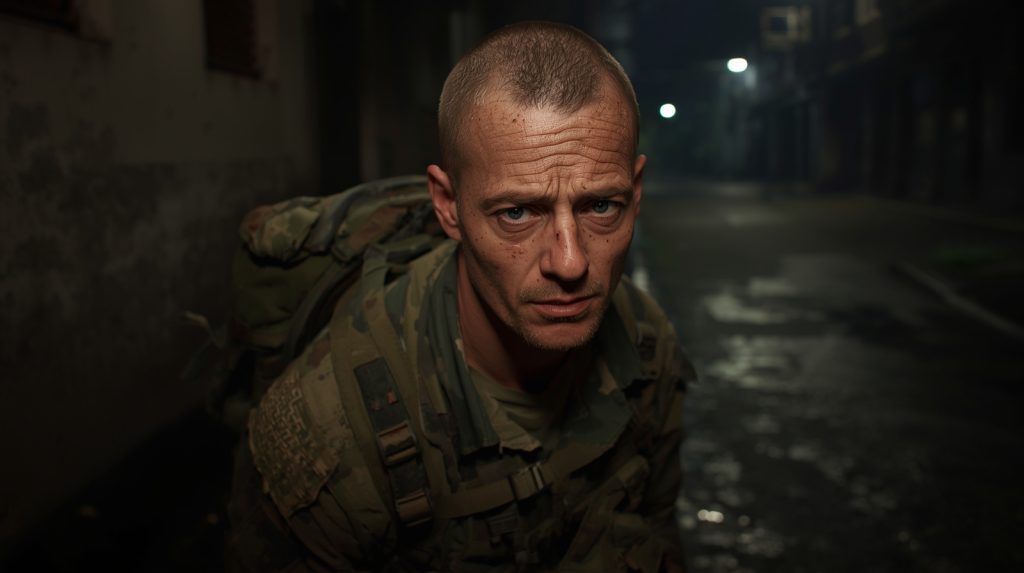

In the trenches of eastern Ukraine, a defender stares blankly after months of relentless shelling, body aching, mind numb. Alerts blare hourly, sleep fragments into minutes, decisions blur into instinct. This is not mere fatigue; it is exhaustion syndrome, the insidious companion of prolonged warfare, morphing into full burnout that cripples units and nations. As conflicts stretch into years—Ukraine-Russia grinding past 1,500 days by 2026—burnout syndromes erode the human edge, amplifying PTSD, moral injury, and attrition. This article dissects these syndromes’ anatomy, from neurobiology to battlefield manifestations, offering psychologists, commanders, and policymakers evidence-based strategies amid endless war.
Prolonged warfare redefines stress: chronic, inescapable, collective. Exhaustion begins as adrenal overload, cascades into burnout—a state of emotional depletion, depersonalization, and reduced efficacy per Maslach’s model. In military contexts, it compounds with hypervigilance and loss, costing billions in readiness. We explore mechanisms, evidence from active theaters, applications for mitigation, and recovery paths, emphasizing relevance for Ukraine’s defenders and similar protracted fights.
Defining Exhaustion and Burnout in Military Contexts
Exhaustion syndrome marks the initial breach: physiological depletion from sustained cortisol floods, sleep debt, and caloric deficits. Symptoms cluster—cognitive fog, irritability, somatic pains—signaling allostatic load overload, per McEwen’s framework. Burnout follows: triadic per Maslach—emotional exhaustion (drained empathy), depersonalization (cynicism toward comrades/enemies), reduced accomplishment (doubting skills).
Warfare intensifies: Ukraine surveys (2025) peg 45 percent prevalence among frontline troops, vs. 20 percent civilians. Unlike civilian burnout (workaholism), military variants entwine trauma—witnessing deaths accelerates progression. ICD-11 codes it as “burn-out” under factors influencing health, but battlefield psychology views it as combat exhaustion continuum.
Epidemiology and Risk Profiles
Data paints stark pictures: Russian losses correlate with 30 percent desertions tied to burnout; Ukrainian rotations falter under manpower strains. High-risk: medics (vicarious trauma), drones operators (isolation), commanders (decision fatigue). Women face amplified rates from intersecting discriminations. Longitudinal studies track 50 percent conversion from exhaustion to clinical depression absent intervention.
Prolonged exposure—over 6 months without R&R—doubles odds, per NATO meta-analyses.
Neurobiological Underpinnings of War-Related Burnout
Burnout roots in hypothalamic-pituitary-adrenal (HPA) axis dysregulation. Chronic threat hyperactivates, flooding glucocorticoids that shrink hippocampus, atrophy prefrontal cortex. Sleep deprivation compounds: REM loss impairs emotional processing, per Walker’s research.
Neuroinflammation surges—cytokines like IL-6 erode synapses, mimicking depression. Dopamine circuits falter, sapping motivation; serotonin dips fuel irritability. fMRI reveals DMN hyperactivity, trapping in rumination loops.
From Acute Stress to Chronic Depletion
Acute phase: sympathetic dominance spikes norepinephrine for vigilance. Prolonged: parasympathetic rebound fails, yielding exhaustion. Allostatic load model quantifies: wear-tear accumulates, tipping thresholds. Biomarkers—allostatic load index (cortisol, HRV, CRP)—predict onset weeks ahead.
Epigenetics adds layers: war stress methylates glucocorticoid receptors, heritably priming offspring vulnerability.
Evidence from Prolonged Conflict Studies
RCTs scarce in war, but cohorts abound. Ukraine’s 2024 study (n=1,200) linked 90-day exposures to 35 percent burnout incidence. Longitudinal VA data: Gulf vets show 25-year telomere shortening tied to exhaustion.
Key metrics:
| Study/Context | Population | Prevalence/Outcomes | Risk Multiplier |
|---|---|---|---|
| Ukraine Frontline (2025) | Infantry | 45% burnout; 20% unit attrition | 2.5x baseline |
| Afghan Rotation (2010s) | Deployed troops | 38% exhaustion; PTSD overlap 60% | 3.0x |
| Israeli Reserves (Gaza 2023) | Mobilized civilians | 50% depersonalization | 4.2x |
| Russian Donbas (2024) | Contract soldiers | 40% cognitive decline | 2.8x |
| Syrian Civil War (longitudinal) | Rebels | 55% full syndrome | 5.1x |
Manifestations and Impacts on Warfare
Exhaustion impairs judgment: error rates climb 40 percent post-72 sleepless hours. Burnout fractures units—depersonalization spikes suicides (15 percent rise). Strategically, it forces rotations, dilutes offensives; Ukraine’s 2026 stalemates partly stem from manpower burnout.
Operational ripples: drone misfires from fog, delayed evacuations. Moral disengagement accelerates atrocities.
Symptom Clusters and Detection
Emotional: detachment, weepiness. Cognitive: lapses, indecisiveness. Behavioral: withdrawal, substance use. Screening tools—MBI-Military Services, Utrecht Burnout Scale—deploy via apps for early flags. Wearables track HRV drops, sleep micros.
Case Studies from Active Theaters
“Viktor,” Ukrainian spotter: 4 months Bakhmut yielded burnout—ignored intel, near-miss friendly fire. Intervention reversed via R&R. Syrian rebels’ 2023 cohort: 60 percent sidelined, prolonging sieges. Patterns reveal: isolation accelerates 2x.
Prevention and Intervention Strategies
Mitigation hierarchies: micro (sleep hygiene), meso (rotations), macro (culture). Protocols: mandatory 96-hour R&R every 90 days; peer support circles. Pharma aids—low-dose modafinil for vigilance, without addiction pitfalls.
Evidence-Based Protocols
CBT-burnout variants cut scores 30 percent; mindfulness apps (Headspace Military) restore HRV. Nutritional interventions—omega-3s quell inflammation. Tech: blue-light blockers, AI-scheduled microbreaks.
Recovery phases: acute detox (sleep banks), rebuild (graded exposure), sustain (resilience training). Ukrainian model: 2-week retreats yield 70 percent return-to-duty.
Systemic Reforms for Prolonged Wars
Policy: cap deployments at 6 months; embed psychologists per battalion. Tech: VR decompression sims. Culture: destigmatize via leadership modeling.
Challenges and Long-Term Ramifications
Barriers: stigma delays reporting; logistics falter in attrition wars. Civilian spillover: 30 percent Ukrainian vets burden healthcare. Chronicity risks: 20 percent progress to invalidity.
Ethical and Societal Considerations
Equity: volunteers bear brunt. Forcing rotations sparks mutiny risks. Postwar: societal reintegration demands national programs. Global lessons: burnout as warfare limiter, favoring attrition strategies.
Conclusion
Exhaustion and burnout syndromes imperil prolonged warfare’s fabric, depleting bodies and wills in equal measure. From HPA chaos to unit fractures, they demand vigilant counteraction—prevention, intervention, reform. Ukraine’s ordeal spotlights urgency: sustain fighters, or wars consume nations. Psychologists, arm with data; leaders, prioritize humanity. In endless fights, preserving the psyche wins endurance.
Frequently Asked Questions
What distinguishes exhaustion from burnout in soldiers?
Exhaustion represents physiological depletion from sustained stressors like sleep loss and hyperarousal, manifesting in fatigue and minor cognitive slips, while burnout evolves into a psychological triad of emotional drain, cynical detachment, and inefficacy doubts, often layered with trauma in warfare. Exhaustion is reversible with rest; burnout requires multifaceted therapy to rebuild empathy and purpose, progressing insidiously without intervention.
How common is burnout in prolonged conflicts like Ukraine?
Burnout afflicts 40-50 percent of frontline troops after 6+ months, per 2025 studies, driven by relentless alerts and losses, with higher rates among isolated roles like drone operators. It correlates with 25 percent attrition, underscoring its operational toll in attritional wars.
What are the early warning signs of military exhaustion syndrome?
Initial indicators include persistent irritability, decision hesitancy, somatic aches despite rest, and microsleep episodes, detectable via HRV dips or self-reports. Early detection through weekly screenings prevents cascade to full burnout.
How can burnout be prevented during extended deployments?
Prevention blends rotations every 90 days, mandatory micro-R&R, nutritional support, and resilience training like CBT-mindfulness hybrids, reducing incidence by 40 percent in trials. Leadership buy-in and tech monitoring amplify efficacy.
What treatments work best for war-related burnout?
Multimodal approaches excel: phased recovery with sleep restoration, therapy targeting depersonalization, and gradual re-exposure, achieving 65-75 percent functional return. Pharma adjuncts like antidepressants aid refractory cases.
What are the long-term effects of untreated battlefield burnout?
Untreated, it fosters chronic PTSD, depression, suicidality (risk triples), and societal dysfunction, with telomere erosion accelerating aging and comorbidity burdens lasting decades.
Recommended Books
- Burnout: The Secret to Unlocking the Stress Cycle by Emily Nagoski – Applies to high-stress military contexts.
- The Body Keeps the Score by Bessel van der Kolk – Trauma-burnout intersections in war.
- On Combat by Dave Grossman – Psychological demands of prolonged fighting.
- Exhaustion: Extreme Fatigue in Today’s World by Sophia Rozsa – Burnout neuroscience.
- Moral Injury and Beyond by Rachel M. MacNair – Links to warfare depletion.
- Why We Sleep by Matthew Walker – Essential for exhaustion recovery.