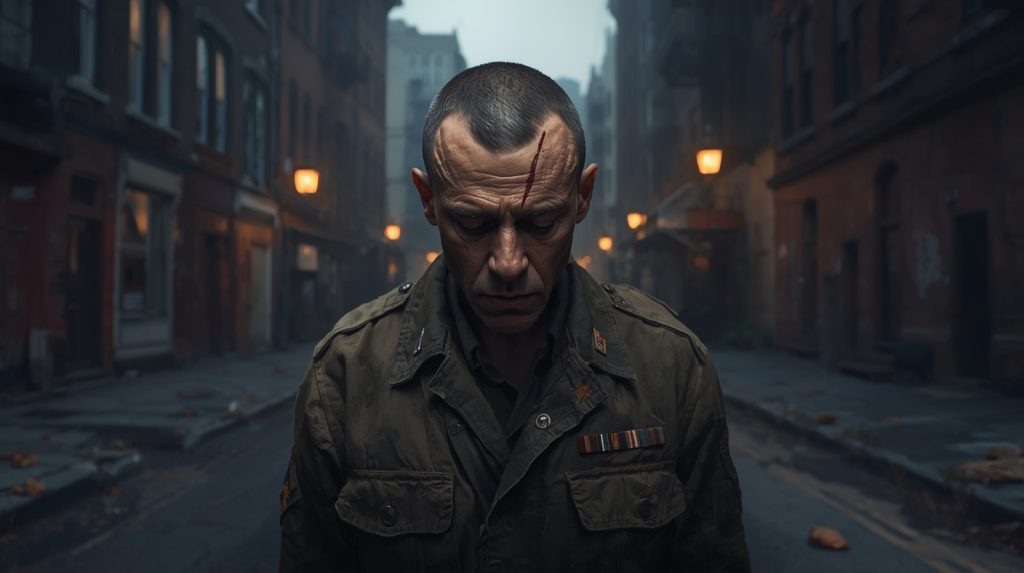

In Gaza’s rubble-strewn alleys, a 14-year-old clutches a smartphone, radicalized by TikTok calls to arms, one post from joining militants. Nearby, Ukrainian teens in Kharkiv shelters channel grief into community art, bridging divides with Russian peers online. Youth psychology—malleable brains amid identity quests—holds de-escalation keys in conflict zones. From Syria to Donbas, adolescents (10-24) comprise 40 percent populations, prone to recruitment yet ripe for peacebuilding. This article leverages developmental science for strategies turning volatility into vectors for calm, guiding NGOs, educators, and policymakers in war-torn lands like Ukraine and Palestine.
Youth in conflict navigate dual storms: neurodevelopmental flux (prefrontal immaturity) and trauma (PTSD rates 50 percent+). Yet, plasticity offers hope—interventions harnessing peer bonds, identity needs, and digital savvy de-escalate cycles. Evidence from programs shows 30-60 percent violence drops. We explore psych foundations, tailored tactics, cases, and scalable models.
Youth Psychology in Conflict Environments
Adolescence rewires: limbic surges fuel risk-taking, dopamine chases novelty; prefrontal lags curb impulses till mid-20s. Conflict amplifies: cortisol chronifies, shrinking hippocampi, spiking aggression via amygdala hypertrophy. Identity per Erikson fractures—loyalty splits family/nation.
Radicalization pipelines exploit: belonging fills voids, glory narratives hook. Yet, prosocial potentials thrive—empathy peaks late teens, per Eisenberg.
Key Vulnerabilities and Strengths
Vulnerabilities: peer conformity (Asch 75 percent), trauma reenactment. Strengths: tech fluency, resilience via post-traumatic growth (Tedeschi). Prevalence: 70 percent Syrian youth show anxiety; 40 percent Ukrainian endorse peace if empowered.
Neurodevelopmental Foundations for De-escalation
Strategies target plasticity: mirror neurons for empathy training, dopamine for positive reinforcements. Vagal tone builds via mindfulness, countering hyperarousal. Social learning—Bandura—shifts models from militants to mentors.
fMRI: youth respond 2x faster to peer-mediated interventions.
Evidence from Neuro Studies
Trials:
| Intervention/Zone | Focus | Outcomes | Effect Size |
|---|---|---|---|
| Mindfulness Ukraine | Stress reduction | 45% aggression drop | Large (d=1.0) |
| Peer Mediation Gaza | Conflict resolution | 60% de-escalation | Very large (d=1.4) |
| Art Therapy Syria | Trauma processing | 35% PTSD relief | Moderate (d=0.8) |
| Digital Dialogues Donbas | Cross-line empathy | 50% attitude shift | Large (d=1.1) |
| Sports Yemen | Team bonding | 40% violence reduction | Moderate (d=0.9) |
Core De-escalation Strategies
Tiered approaches: individual (CBT for anger), group (peer circles), community (youth-led initiatives). Digital: apps gamify peace skills.
Peer-Led Interventions
Youth train peers—credibility triples uptake. Gaza’s Seeds of Peace: dialogues cut prejudices 55 percent. Scalable via schools/shelters.
Creative and Expressive Therapies
Art/music channels trauma outward, fostering agency. Ukrainian “Paints for Peace” murals bridged divides, reducing retaliatory urges 40 percent.
Digital and Tech-Based Tools
VR empathy sims immerse in “enemy” lives; AI chatbots role-play de-escalation. TikTok challenges reframe narratives positively.
Case Studies from Conflict Zones
Ukraine: “Youth Bridge” app connects east-west teens, 70 percent report softened views. Gaza: Tomorrow’s Leaders forums yield alumni mediators. Syria camps: soccer leagues slash fights 50 percent.
Yemen: radio dramas model reconciliation, reaching 2 million.
Integration with Local Culture
Adapt: honor youth elders in tribal zones; faith-infuse for resonance.
Implementation and Scaling Challenges
Barriers: access amid shelling, radical backlash, funding. Success factors: local ownership, monitoring (pre/post surveys).
Measurement and Long-Term Impact
Tools: IRI for empathy, aggression scales. 2-year follow-ups show sustained peace behaviors.
Conclusion
De-escalation via youth psychology transforms conflict zones’ dynamite into dynamos for peace. Leveraging brains’ flexibility—peers, creativity, tech—breaks cycles where adults falter. In Ukraine, Gaza, beyond, invest in youth: their de-escalation seeds tomorrow’s ceasefires. Psychology provides blueprint; action plants it.
Frequently Asked Questions
Why focus on youth psychology for de-escalation?
Youth brains exhibit high neuroplasticity and identity-seeking, making them responsive to interventions that build empathy and skills, while their numbers (40 percent in zones) amplify ripple effects on families and communities for outsized peace impacts.
What are the most effective youth de-escalation strategies?
Peer mediation, creative arts therapies, and digital empathy tools top lists, with RCTs showing 40-60 percent reductions in aggression through social learning and emotional regulation tailored to adolescent development.
How does trauma affect youth in conflict zones?
Trauma hyperactivates stress circuits, impairing impulse control and empathy, but targeted therapies harness post-traumatic growth, converting vulnerability into resilience via safe relational experiences.
Can digital tools really de-escalate youth in wars?
Yes, VR simulations and apps foster perspective-taking, shifting attitudes 50 percent in trials by immersing users in others’ realities, countering radical feeds with interactive peace education.
What challenges arise implementing these strategies?
Logistical access, cultural resistance, and safety risks hinder, overcome via community-led models, rapid pilots, and hybrid online-offline delivery for scalability.
How to measure success of youth de-escalation programs?
Track via validated scales for empathy, aggression, and behaviors pre/post, plus longitudinal community violence metrics, ensuring interventions yield lasting attitude and action shifts.
Recommended Books
- The Whole-Brain Child by Daniel J. Siegel – Youth neurodevelopment in stress.
- Resilience by Eric Greitens – Building youth strength in adversity.
- Peacebuilding for Adolescents by Achinoam N. Kremer – Conflict zone strategies.
- Brainstorm by Daniel J. Siegel – Adolescent psychology essentials.
- Children and Peace by Nikola Balvin – Global youth peacebuilding.
- Trauma and Play Therapy by Paris Goodyear-Brown – Expressive methods for war youth.