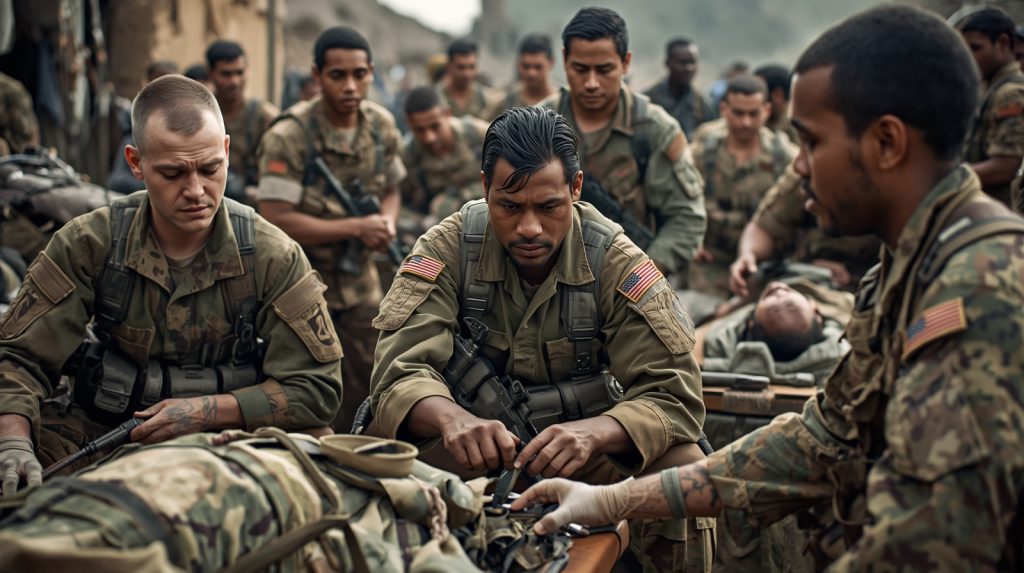

Medical professionals operating in high-intensity environments, such as emergency rooms, intensive care units, or combat zones, are frequently exposed to human suffering and death. This chronic exposure can lead to secondary traumatization, often described as the stress resulting from helping or wanting to help a traumatized or suffering person. Unlike primary trauma, which occurs when an individual is directly involved in a life-threatening event, secondary trauma is an indirect emotional cost of providing care. Implementing structured debriefing protocols is a critical psychological strategy to mitigate these effects and preserve the long-term mental health of medical staff.
Secondary traumatization can manifest through symptoms similar to post-traumatic stress disorder, including intrusive thoughts, emotional numbing, and persistent anxiety. Without a formal mechanism to process these experiences, the emotional burden accumulates, leading to burnout, compassion fatigue, and a decline in the quality of patient care. Debriefing provides a controlled environment where the psychological impact of a specific event can be acknowledged and managed before it becomes a deep-seated issue.
The Conceptual Framework of Psychological Debriefing
Psychological debriefing is a structured intervention designed to assist professionals in processing the emotional and cognitive aspects of a distressing event. The primary goal is not to provide long-term therapy but to offer immediate stabilization and normalization of reactions. By discussing the event in a group setting shortly after its conclusion, medics can align their internal narrative of the incident with the reality of the situation, reducing the likelihood of fragmented or distorted memories.
These protocols operate on the principle of social support as a buffer against stress. In a medical culture that often values stoicism and emotional suppression, formal debriefing validates the individual’s emotional response as a natural reaction to an abnormal situation. This validation is essential for preventing the sense of isolation that often precedes secondary traumatization. It shifts the focus from individual failure to collective experience, reinforcing the strength of the medical team as a whole.
Critical Incident Stress Debriefing (CISD)
One of the most widely recognized models for medical staff is Critical Incident Stress Debriefing. This model typically follows a seven-stage process: introduction, fact phase, thought phase, reaction phase, symptom phase, teaching phase, and re-entry. This progression allows participants to move from the objective details of what happened to their internal thoughts and, finally, to the emotional impact.
The teaching phase is particularly important as it provides medics with information about typical stress reactions and healthy coping mechanisms. By educating staff on what to expect in the days following a traumatic event, the protocol reduces the fear of the unknown. Knowing that insomnia or irritability are common and temporary responses helps prevent the secondary stress of worrying about one’s own mental health.
The Role of “Hot” and “Cold” Debriefing
In fast-paced medical environments, debriefing is often categorized by its timing. A hot debriefing occurs immediately after an event, often while the team is still in the clinical area. These are brief and focused primarily on the technical aspects of the case, though they provide an initial opportunity to check on the emotional state of the team members. Hot debriefs are effective for identifying immediate distress and providing a sense of closure to a specific shift or procedure.
Cold debriefing takes place days or even weeks later. This delayed approach allows for a deeper exploration of the emotional and psychological impact once the immediate adrenaline of the event has subsided. Cold debriefs are more conducive to identifying signs of secondary traumatization that may not be apparent in the heat of the moment. They allow for a more reflective atmosphere where medics can discuss the long-term implications of their work on their personal lives and professional identity.
Institutional Culture and the Barrier to Participation
For debriefing protocols to be effective, they must be supported by an institutional culture that prioritizes mental well-being. Historically, the medical field has viewed the admission of emotional distress as a sign of weakness. To overcome this, healthcare leadership must actively promote debriefing as a professional requirement rather than an optional or elective activity. When debriefing is integrated into the standard operating procedure, the stigma associated with seeking help is significantly reduced.
Confidentiality is the cornerstone of a successful debriefing program. Medics must feel certain that their disclosures during a session will not be used against them in performance reviews or legal proceedings. If a medic fears professional repercussions for admitting to feeling overwhelmed, they will remain silent, which only accelerates the process of secondary traumatization. Creating a safe, non-judgmental space is therefore a prerequisite for any effective psychological intervention.
Measuring the Efficacy of Support Protocols
Evaluating the success of debriefing protocols involves looking at both subjective and objective data. Subjective markers include self-reported levels of stress and job satisfaction among the staff. Objective markers include rates of absenteeism, staff turnover, and clinical error rates. While debriefing is not a universal cure for the stresses of medicine, evidence suggests that teams with robust support protocols demonstrate higher levels of resilience and better interpersonal communication.
Resilience in this context is not about being unaffected by trauma, but about the ability to bounce back and maintain a healthy professional life. By integrating these protocols, medical institutions acknowledge that the provider is just as vulnerable as the patient. The prevention of secondary traumatization is an ongoing process of monitoring, intervention, and cultural change that ensures those who care for others are also cared for.
FAQ
How does secondary traumatization differ from burnout?
While both involve emotional exhaustion, they have different roots. Burnout is typically a gradual process caused by administrative stress, long hours, and a lack of resources. Secondary traumatization is a more acute reaction specifically tied to the traumatic content of the work. A medic suffering from secondary trauma might experience flashbacks or severe anxiety related to a specific patient’s case, whereas a medic with burnout might simply feel cynical or detached from the job in general. Both are serious and require different intervention strategies.
Is debriefing mandatory for all medical incidents?
Not every incident requires a full-scale debriefing. Protocols usually define specific triggers, such as the death of a child, a multi-casualty event, or a case involving a colleague. However, many modern medical institutions are moving toward a model where brief technical debriefs happen after every major procedure, with more intensive psychological debriefs reserved for high-impact events. This helps normalize the practice so that when a truly traumatic event occurs, the team is already comfortable with the process.
Can debriefing ever be harmful?
If conducted poorly or by an untrained facilitator, debriefing can lead to re-traumatization. Forcing individuals to recount details of an event before they are ready can interfere with their natural coping mechanisms. This is why it is essential that debriefing is led by trained professionals who understand the difference between a supportive discussion and an invasive interrogation. Participants should always have the right to remain silent and should be encouraged to share only what they feel comfortable sharing.
What are the signs that a medic needs more than just a debriefing?
Debriefing is a tool for prevention and normalization, not a replacement for clinical therapy. If a medic continues to experience severe symptoms—such as persistent nightmares, inability to perform their duties, or reliance on substances to cope—several weeks after the event, they likely require one-on-one professional psychological care. Debriefing serves as a screening tool to identify those who may need additional, more intensive support beyond the group setting.
Recommended Books
- Trauma Stewardship: An Everyday Guide to Caring for Self While Caring for Others by Laura van Dernoot Lipsky
- Secondary Traumatic Stress: Self-Care Issues for Clinicians, Researchers, and Educators by B. Hudnall Stamm
- Compassion Fatigue: Coping with Secondary Traumatic Stress Disorder in Those Who Treat the Traumatized by Charles R. Figley
- Help for the Helper: The Psychophysiology of Compassion Fatigue and Vicarious Trauma by Babette Rothschild
- Resilience: The Science of Mastering Life’s Greatest Challenges by Steven M. Southwick and Dennis S. Charney