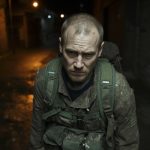
The integration of women into combat roles over the last several decades has provided researchers with a unique opportunity to study how gender influences the human response to extreme stress. While the physiological experience of combat is universal, the psychological and biological manifestations of stress often follow divergent paths based on gender. Within the field of military psychology, understanding these differences is essential for developing effective diagnostic tools and treatment protocols. Historically, the study of combat stress was centered almost exclusively on male subjects, leading to a baseline understanding that may not fully account for the female experience. Modern research now emphasizes that gender-specific responses are shaped by a complex interaction of hormonal profiles, neurological structures, and sociocultural expectations.
Combat-related stress response is not a monolithic event but a series of physiological and psychological adaptations to life-threatening environments. These adaptations are governed by the autonomic nervous system and the endocrine system, which work together to prepare the body for survival. However, the way these systems reset—or fail to reset—after the threat has passed can vary significantly between men and women. By exploring these variations, clinicians can better identify early warning signs of post-traumatic stress disorder and other related conditions, ensuring that all veterans receive care tailored to their specific biological and psychological needs.
The Physiology of the Stress Response System
At the center of the combat stress response is the hypothalamic-pituitary-adrenal axis, or the HPA axis. This system is responsible for the release of cortisol, the body’s primary stress hormone. When a soldier is exposed to a threat, the HPA axis initiates a cascade of events that increases heart rate, heightens awareness, and redirects energy to the muscles. Research indicates that there are subtle but significant differences in how the HPA axis functions in men versus women. Women often exhibit a more prolonged cortisol response following a traumatic event, which may contribute to a higher sensitivity to future stressors. This prolonged activation can lead to a state of chronic exhaustion, which is a frequent precursor to psychological breakdown in high-intensity environments.
Hormonal influences beyond cortisol also play a critical role in shaping the stress response. Testosterone, which is found in much higher concentrations in men, is associated with the traditional fight-or-flight response. It tends to promote aggressive and defensive behaviors that are often rewarded in a combat setting. Conversely, estrogen and progesterone in women interact with the neurotransmitter systems in ways that can modulate fear extinction—the process by which the brain learns that a previously threatening stimulus is no longer dangerous. Variations in these hormones during the menstrual cycle have been shown to influence the severity of intrusive memories after a traumatic event, suggesting that the biological timing of combat exposure may impact long-term psychological outcomes for women.
The Tend and Befriend Model
While the fight-or-flight model has long been the standard for describing stress responses, psychological research has introduced the tend-and-befriend model as a common alternative, particularly among women. This model suggests that instead of reacting with pure aggression or flight, some individuals respond to stress by nurturing offspring or seeking social support to reduce risk. This behavior is linked to the release of oxytocin, a hormone that promotes social bonding and reduces anxiety. In a combat environment, this might manifest as a heightened focus on unit cohesion and the welfare of peers. While both genders experience oxytocin release, the interaction between oxytocin and estrogen appears to enhance the calming effect in women, potentially providing a different psychological buffer against the horrors of war.
Understanding the tend-and-befriend response is vital for military leadership. If a soldier’s natural stress response is to seek social connection, isolation within a unit can be particularly damaging to their morale and mental health. This model also explains why some female veterans report that the loss of social support after leaving the military is more distressing than the combat exposure itself. By recognizing that stress can drive a desire for connection rather than just a desire for conflict, the military can better structure its support systems to match the diverse needs of its personnel.
Symptom Clusters and Diagnostic Divergence
The presentation of combat-related stress symptoms often follows gendered patterns that can complicate diagnosis. Men are statistically more likely to exhibit externalizing symptoms. These include irritability, explosive anger, hypervigilance, and substance abuse. Because these behaviors align with the stereotypical image of a hardened soldier, they are often recognized quickly by peers and clinicians. However, these symptoms can also be destructive to personal relationships and social reintegration, as the veteran may struggle to modulate their aggression once they return to a civilian environment.
Women, on the other hand, are more likely to exhibit internalizing symptoms. These include depression, persistent anxiety, social withdrawal, and somatic complaints such as chronic pain or gastrointestinal issues. Because these symptoms are less overt and do not necessarily involve aggressive behavior, they can be overlooked or misdiagnosed as general depression rather than combat-related stress. This difference in symptom presentation requires clinicians to look beyond the standard criteria and ask deeper questions about a veteran’s internal emotional state. The failure to recognize these internalizing patterns can lead to a significant delay in treatment, allowing the stress to become chronic and more difficult to manage.
Cognitive Processing and Memory Distortions
The way the brain processes traumatic memories also shows gender-specific tendencies. Studies using neuroimaging have found that women often have higher activation in the hippocampus and amygdala when recalling traumatic events. This heightened activation is linked to a more detailed and emotionally charged memory of the event. While this can lead to more frequent and intense flashbacks, it may also provide a clearer path for certain types of cognitive-behavioral therapy that rely on processing specific details of the trauma. Men may be more likely to experience emotional numbing—a psychological defense mechanism where the brain suppresses the emotional impact of a memory to maintain functionality. While numbing helps in the short term, it often prevents the long-term processing required for recovery.
These differences in memory processing also affect how individuals relate to their own experiences. Women may be more prone to self-blame and ruminative thinking, where they repeatedly analyze what they could have done differently to change the outcome of a situation. Men are more likely to experience survivor guilt, often centered on their inability to protect their peers or fulfill their perceived role as a protector. Both ruminative thinking and survivor guilt are powerful drivers of combat stress, but they require different therapeutic approaches to resolve effectively.
Sociocultural Variables and the Warrior Identity
Psychological responses to combat are not shaped in a vacuum; they are heavily influenced by the sociocultural environment of the military. The warrior identity, which emphasizes physical strength, emotional stoicism, and the suppression of vulnerability, is the dominant cultural framework. For many men, this identity provides a sense of purpose but also creates a significant barrier to seeking help. Admitting to psychological distress is often perceived as a violation of this identity, leading to a high rate of under-reporting among male combat veterans.
Women in combat roles face a different set of sociocultural pressures. They often feel the need to over-perform to prove their competency in a historically male-dominated environment. This pressure can lead to a state of chronic hyper-arousal and a refusal to show any signs of stress, for fear of reinforcing negative stereotypes about women’s suitability for combat. Consequently, female veterans may carry a double burden: the psychological impact of the combat itself and the stress of maintaining a flawless professional facade. This added layer of social pressure can accelerate the development of burnout and secondary traumatic stress.
Military Sexual Trauma as a Compounding Factor
An essential, though difficult, aspect of studying gender differences in combat stress is the disproportionate rate of military sexual trauma (MST) experienced by women. While MST affects both genders, its prevalence among female service members makes it a significant compounding factor in their overall stress response. When a soldier experiences both combat trauma and sexual trauma, the psychological effects are often additive rather than just cumulative. The betrayal of trust by a peer or superior can be more damaging to a soldier’s sense of safety and morale than the actions of an enemy combatant. This combination of stressors often results in a more complex and treatment-resistant form of PTSD, requiring specialized clinical intervention that addresses both the combat and the interpersonal trauma.
Diagnostic Challenges and Assessment Bias
The tools used to assess combat stress and PTSD were largely validated on populations of male veterans from previous conflicts. This has led to a potential for diagnostic bias where female-typical symptoms are not given the same weight. For example, some assessment scales focus heavily on aggressive outbursts and hypervigilance, which are more common in men. If a woman presents with social withdrawal and somatic issues, she may not meet the threshold for a formal PTSD diagnosis despite experiencing significant impairment. This discrepancy highlights the need for gender-neutral or gender-sensitive assessment tools that can capture the full range of stress responses across all demographics.
Furthermore, there is a historical tendency to pathologize women’s emotional responses more quickly than men’s. What might be viewed as a normal reaction to an abnormal situation in a man might be labeled as an emotional disorder in a woman. Conversely, men’s aggressive behavior might be dismissed as a character trait rather than a symptom of underlying trauma. To overcome these biases, military medical systems must move toward a more holistic view of the individual, considering the biological, psychological, and social context of their service. Accurate diagnosis is the first step in ensuring that the transition from combat to civilian life is successful for every veteran.
Treatment Modalities and Gender-Tailored Care
Just as the response to stress varies by gender, the response to treatment can also differ. Evidence-based therapies such as Prolonged Exposure (PE) and Cognitive Processing Therapy (CPT) are effective for both genders, but the way these therapies are delivered can be adjusted for better outcomes. Women often respond well to group therapy environments where they can share their experiences with other female veterans, reducing the isolation caused by being a minority in combat units. These groups provide a space where gender-specific issues, such as MST or the challenges of military motherhood, can be addressed openly.
For men, treatment often requires a focus on deconstructing the rigid warrior identity to allow for emotional expression. Peer-to-peer support programs that emphasize the “strength” of seeking help can be particularly effective. Additionally, treatments that incorporate physical activity or task-oriented goals may be more appealing to male veterans who are reluctant to engage in traditional talk therapy. By offering a range of modalities—from standard psychotherapy to holistic approaches like yoga or equine therapy—clinicians can meet veterans where they are and provide the most effective path to recovery.
The Role of Pharmacotherapy
Pharmacological interventions also show some gender-based variations in efficacy. Selective serotonin reuptake inhibitors (SSRIs), which are the first-line medication for PTSD, have shown high efficacy in women. Some research suggests that estrogen may enhance the brain’s response to these medications, making them particularly effective for managing the anxiety and depression clusters of PTSD. Men also benefit from SSRIs, but they may require different dosages or adjunct medications to manage the externalizing symptoms like insomnia and severe irritability. Ongoing research into the use of hormonal treatments, such as oxytocin or even low-dose testosterone for certain symptoms, represents the next frontier in personalized veteran medicine.
Conclusion
The study of gender differences in combat-related stress responses is not about creating a hierarchy of suffering, but about recognizing the diverse ways the human mind and body process trauma. As the military environment continues to evolve, so must our psychological models. By integrating biological data with psychological insight and social context, we can move away from a one-size-fits-all approach to veteran health. The goal is a military medical system that is as diverse as the force it serves, capable of identifying and treating the invisible wounds of war in every soldier, regardless of their gender.
True resilience is built on a foundation of understanding. When we acknowledge that a man’s anger and a woman’s withdrawal may be two sides of the same traumatic coin, we can offer more compassionate and effective care. This nuanced approach not only improves the lives of individual veterans but also strengthens the military as a whole, ensuring that those who have sacrificed their psychological well-being for their country are given every opportunity to heal and thrive in the years following their service.
FAQ
Why do women statistically report higher rates of PTSD than men after combat?
There are several factors contributing to the higher reported rates of PTSD among female veterans. Biologically, women may have a more sensitive HPA axis, leading to a more prolonged stress response. Psychologically, women are more likely to experience internalizing symptoms such as depression and anxiety, which are core components of the PTSD diagnostic criteria. Additionally, women in the military often face compounding stressors, such as military sexual trauma or the social pressure of being in a minority group within a combat unit. However, some researchers also suggest that men may under-report their symptoms due to the social stigma associated with the warrior identity, which can skew the statistical data and make it appear that women are more vulnerable when they may simply be more likely to seek help.
How does testosterone influence the way male veterans experience combat stress?
Testosterone is closely linked to the fight-or-flight response and the modulation of aggression. In a combat environment, high levels of testosterone can be beneficial for performance and survival. However, in the aftermath of trauma, testosterone can contribute to the externalizing symptoms of stress, such as irritability, impulsivity, and explosive anger. It can also interfere with the process of emotional numbing, where a veteran remains in a state of hyper-vigilance long after the threat has passed. This hormonal profile can make it more difficult for men to transition to civilian life, where the aggressive behaviors that were useful in combat are often viewed as problematic or dangerous. Understanding this hormonal link helps clinicians develop strategies for emotional regulation and anger management.
What is the significance of the tend-and-befriend model in a military context?
The tend-and-befriend model provides an alternative perspective on how service members, especially women, handle extreme stress. It suggests that a primary survival strategy is to seek out and strengthen social bonds. In a military context, this highlights the critical importance of unit cohesion and peer support. If a service member feels isolated or unsupported by their team, their psychological resilience is significantly compromised. This model also explains why many veterans experience a spike in stress symptoms after leaving the military; the sudden loss of the “tribe” or the social support system triggers a fear response. Recognizing the need for connection as a biological stress response allows for better transition programs that focus on building new social networks for veterans.
Can the menstrual cycle affect how a woman processes a traumatic combat event?
Recent research in the field of psychoneuroendocrinology suggests that the phase of the menstrual cycle during which a woman is exposed to trauma may influence her long-term psychological outcome. Estrogen and progesterone play a role in fear extinction, which is the brain’s ability to learn that a threat is over. When these hormone levels are low, such as during the mid-luteal phase, the brain may be more susceptible to the development of intrusive memories and flashbacks. This does not mean that women are incapable of combat during certain times, but rather that the biological timing of a traumatic event can be a risk factor for how the brain encodes and stores that memory. This knowledge could eventually lead to targeted early interventions for those exposed to trauma during high-risk hormonal windows.
Recommended Reading
- Women at War: Iraq, Afghanistan, and Other Conflicts by Elspeth Cameron Ritchie
- The Female Brain by Louann Brizendine
- Warrior Culture and the Military Mind edited by Anne Louise Gillies
- The Psychology of the Soldier by Raymond J. McCall
- Post-Traumatic Stress Disorder in Female Veterans by Susan M. Orsillo
- Invisible Veterans: What Happens When Women Come Home from War by Kate Hendricks Thomas
- Gender and PTSD edited by Rachel Kimerling