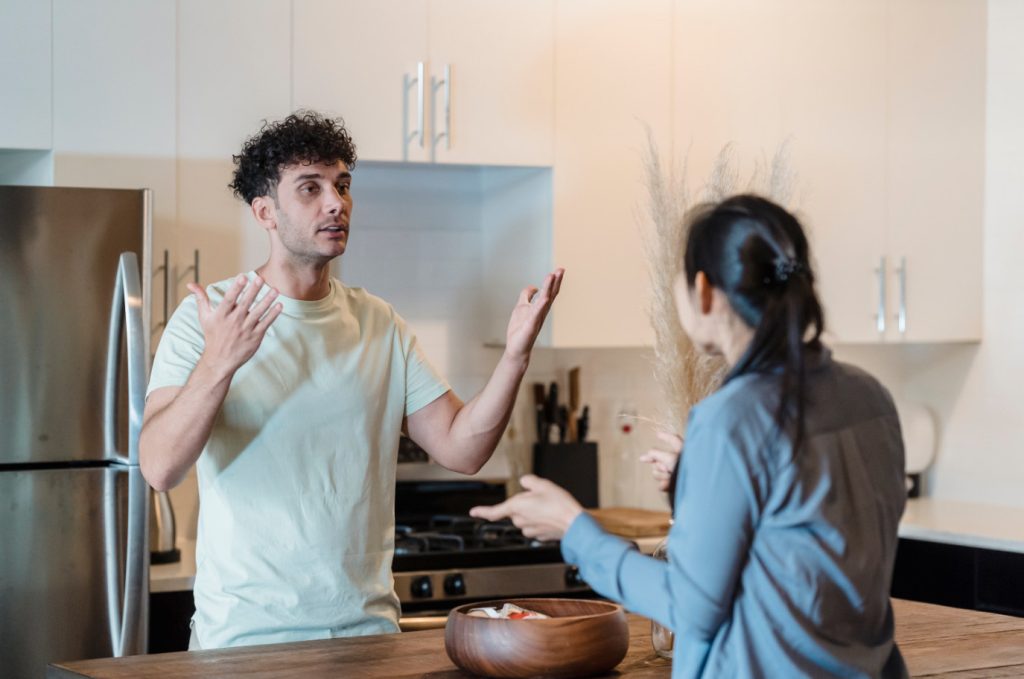

Childhood trauma leaves a lasting effect on everything we do. However, it impacts our closest relationships the most. Unfortunately, its occurrence is quite common.
According to the WHO, six in ten children, or 400 million children worldwide under the age of five, regularly experience some form of physical or psychological trauma. The people closest to them, such as guardians or caregivers, are often responsible for this mistreatment. As a result, many of these children face lifelong physical and mental challenges.
The adverse childhood experiences can be due to abuse, neglect, or parental conflict, and they shape how we manage our personal relationships. As individuals grow older, they find themselves repeating harmful patterns, struggling with emotional regulation, and sabotaging relationships without understanding why.
The good news is that these experiences do not have to dictate your married life. If you want your marriage to improve, help is available.
In this article, we’ll explore strategies that can help you break free from your painful past experiences so you can build a happy and healthy home with your family.
Understanding How Trauma Affects Marriage
The effects of trauma can be seen in all your relationships, but your partner will feel them the most. Unfortunately, the people closest to you often bear the brunt of it.
If you understand how your past experiences are impacting your life and relationships, you are already halfway there. Your healing journey can now begin.
To start, it is important to understand how your past shapes your behavior. According to Psychology Today, many childhood habits are responses developed to survive trauma. For instance, one partner may cling to or aggressively pursue emotional closeness in the hope of receiving care. However, when these efforts feel unsuccessful, they may shut down or withdraw emotionally.
The other partner, who may not have learned how to respond to emotional needs, may withdraw instead. When the pursuing behavior increases, the other partner may become angry or try to pull away even further.
Trauma can also lead to trust issues, emotional overreactions, or emotional detachment during conflict. Understanding these behavior patterns can help you navigate them more effectively.
Break the Cycle Through Self-Awareness
Self-awareness can be your biggest tool for healing and improving your marriage. Start by evaluating a few of your recent conflicts objectively. Focus on your reactions and note the moments where you feel you were unreasonable. It takes courage to recognize your mistakes, but even if the responsibility is shared, improving your part, even slightly, can make a big difference.
Keep a journal where you can note what happened, your emotional reaction, and whether it connects to childhood experiences. Identify your typical responses to situations, conflicts, or demands, and notice whether you fight, flee, freeze, or fawn when you feel threatened.
Pay attention to patterns in your arguments with your spouse. Ask yourself whether your reaction fits the present moment or if you are reacting to past experiences.
If possible, share these insights with your partner. Ask them how they perceive your typical reactions. Your partner may notice blind spots you miss and can help you become more self-aware. If your partner knows your family well, they may also help you recognize family response patterns, which can deepen your understanding.
The Need for Trauma Recovery
Professional help is often the next step toward healing from trauma and is almost always necessary. Do not assume you can handle everything on your own when healing can be more effective with support. Asking for and accepting help takes courage and wisdom, often more than trying to cope alone.
Understanding the roots of your concerns is not always easy, and this is where mental health practitioners play an important role. They help individuals and couples process trauma and rebuild healthy relationship patterns. Besides therapists and counselors, psychiatric nurse practitioners can offer guidance and support. These professionals are trained to see and understand patterns you may overlook or view as normal.
Many nurses think beyond bedside care and consider roles in mental health. Some opt for psych NP degree programs online as they offer a popular and flexible pathway.
According to Cleveland State University, these programs equip psych NPs with skills to support individuals and communities through various stages of recovery. The best part is that advanced credentials can be gained without pausing one’s career.
Use Couples Therapy and Collaborative Healing
In addition to trauma therapy, you may also benefit from couples therapy. Healing from past experiences takes time. It is a long journey, and the support of your partner can make a big difference. Couples therapy helps your partner understand your wounds and offers space for them to share their perspective as well. It is also important for both of you to learn how to manage your reactions, as this is key to effective healing.
Many trauma survivors also lack healthy models for managing conflict, and therapy provides tools for resolving disagreements constructively. Regular sessions are often necessary to build and maintain these new habits.
As awareness grows, the market for couples counseling is also expanding, emphasizing its effectiveness. According to GlobeNewswire, the global marriage counseling services market is rising from $11.6 billion in 2023 to an estimated $19.79 billion by 2028. This growth reflects increasing awareness of mental health needs and greater access to digital counseling options.
Establish Healthy Communication Patterns
“If only you could say what the problem was.”
In many relationships, it is not a lack of adjustment but a lack of understanding that causes issues, and trauma is often the reason behind those pursed lips. Trauma can make people feel afraid, unsure, and lacking confidence in their own feelings, which often leads to poor communication.
Individuals affected by trauma need to learn how to communicate more effectively.
Have this important discussion with your partner, where you set clear rules for managing difficult situations. For example, you can:
- Create a time-out system that gives each partner space to pause heated conversations, while making sure the discussion is revisited later.
- Avoid harmful habits such as yelling, silent treatment, or dismissing feelings.
- When you feel triggered, clearly communicate what you need so your partner does not misinterpret your reaction.
In a CNBC report, divorce attorneys Jafari and Parima Pandkhou also emphasize that communication is key, both in everyday moments and during difficult conversations. They advise couples to discuss problems, be clear, patient, and respectful, and allow your spouse to be heard. As Jafari notes, it’s important to listen before responding and truly understand your partner’s point of view.
The Need for Self-Care and Taking Personal Responsibility
You may feel that your partner should understand you better, that love heals all wounds, and that no one is perfect. But the truth is, reactions cannot remain unreasonable beyond a point, and your healing is your responsibility.
To heal, you need to take care of yourself in every aspect of life. This includes basic needs such as quality sleep, regular exercise, balanced meals, and healthy ways to manage stress. You also need to make time for activities that bring you happiness and help you build an identity beyond your marriage.
Be self-compassionate, as healing is not a straight road and setbacks are part of the process. Set clear boundaries to protect your mental health, including limiting contact with people who are toxic to you. You also need to take ownership of your reactions and apologize when trauma-driven responses hurt your partner.
Trauma may help explain certain behaviors, but it doesn’t justify them. Your childhood wasn’t your choice, but what you do with your pain now is. Committing to healing supports your marriage and helps you show up as a more stable, caring partner.
Healing from childhood trauma within marriage is possible if you put in the effort and seek support. When both partners commit to healthy communication, self-care, and shared growth, past traumas lose their power. Patience and responsibility will help you build a healthy and happy marriage.