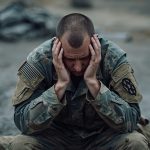
The defense of a nation requires a level of physical and psychological fortitude that is rarely demanded in civilian life. Service members are trained to operate in high-stress environments, maintain absolute discipline, and prioritize the mission above personal comfort. While these traits are essential for combat effectiveness, they often create a complex psychological environment where vulnerability is viewed as a liability. In military cultures, the barriers to mental health care are not always logistical or financial. Instead, they are deeply embedded in the social fabric of the armed forces. Stigma remains one of the most significant hurdles to psychological wellness, acting as an invisible weight that many carry long after their service ends. Understanding these barriers requires a nuanced look at the intersection of military identity and clinical psychology.
The paradox of the resilient warrior is a central theme in military mental health. A soldier is taught to be self-reliant and stoic, yet the healing process for trauma or depression requires the exact opposite: openness and a reliance on others for support. This tension creates a gap between the prevalence of mental health conditions and the actual rates of help-seeking behaviors. When a service member feels that their psychological struggle is a sign of personal failure, they are less likely to step forward. This article explores the various dimensions of stigma, the impact of the warrior ethos, and the clinical strategies necessary to bridge the gap between military service and mental health recovery.
Categorizing the Barriers to Care
To address the issue effectively, it is necessary to categorize the different forms of stigma that influence a service member’s decision to seek help. Stigma is not a monolithic concept; it operates on multiple levels, each reinforcing the other to create a formidable barrier to clinical intervention.
Public stigma refers to the negative attitudes and beliefs held by the collective military community toward those with mental health challenges. It is the fear of being perceived as weak, unreliable, or broken by one’s peers and superiors. In a profession where your life literally depends on the person standing next to you, the perception of being a weak link is devastating. Service members often fear that if they disclose a struggle with anxiety or post-traumatic stress, they will be alienated from their unit or treated with pity rather than respect. This social cost is a primary deterrent for many who would otherwise benefit from therapy.
Self-stigma is perhaps the most damaging internal barrier. This occurs when a service member internalizes the negative stereotypes associated with mental illness. If the culture dictates that a warrior must be invincible, then any sign of psychological distress is viewed as a personal defect. The internal dialogue often involves feelings of shame and a sense of having failed the military’s high standards. Self-stigma leads to a cycle of suppression, where the individual attempts to hide their symptoms, leading to increased isolation and the worsening of the condition over time.
Structural stigma involves the institutional policies and cultural norms that discourage help-seeking. This can include concerns about career progression, the fear of losing a security clearance, or the potential for a medical discharge. Even when policies are technically supportive, the perception of institutional bias remains strong. Service members often believe that their medical records will be used against them during promotion boards or that their commanding officers will view them as a liability. These structural concerns create a environment where silence is seen as the safest career move.
The Warrior Ethos as a Double-Edged Sword
The warrior ethos is a set of principles that guides the behavior and mindset of those in uniform. It emphasizes courage, loyalty, and an unwavering commitment to the mission. While these values are the foundation of a disciplined fighting force, they can also serve as a double-edged sword when it comes to psychological health.
Stoicism is a survival tool in combat. During a mission, there is no room for the processing of grief, fear, or trauma. The ability to suppress these emotions allows a service member to function under extreme pressure. However, when this suppression becomes a permanent lifestyle, it prevents the processing of traumatic events. In a clinical setting, the same stoicism that kept a soldier alive in a war zone can become a wall that prevents a therapist from reaching the core of the issue. Transitioning from a state of total emotional suppression to one of therapeutic vulnerability is a monumental task for many veterans.
Unit cohesion is the glue that holds military organizations together. The bond between service members is often described as stronger than family ties. However, this high level of cohesion can also foster an environment where conformity is mandatory. The fear of being the one who breaks the unit’s rhythm or requires extra attention can be overwhelming. Many choose to suffer in silence rather than risk being the individual who draws negative attention to their team. This collective pressure reinforces the idea that personal struggles should be kept private for the good of the group.
The loss of identity is another critical factor. For many, being a soldier or a marine is not just a job; it is who they are. Their entire self-worth is tied to their ability to meet the physical and mental demands of their role. When a mental health condition interferes with that ability, it triggers an existential crisis. If they are no longer the tough, capable warrior, they may feel they have no identity at all. This fear of losing one’s sense of self is a major reason why many resist a diagnosis, as they view it as a permanent label that replaces their hard-earned military identity.
Career Implications and the Reality of Security Clearances
One of the most persistent myths in military culture is that seeking mental health treatment will lead to the immediate loss of a security clearance. This fear is a significant driver of stigma and prevents thousands of individuals from getting the help they need. However, the reality is quite different from the perception.
The SF-86 form, used for national security positions, has been revised to clarify that seeking care for combat-related stress or routine life struggles is not a reason for disqualification. In fact, the government often views seeking help as a sign of good judgment and high integrity. Statistical data shows that only a tiny fraction of clearances are revoked due to mental health concerns, and usually only when the condition involves a lack of judgment or a refusal to follow treatment. Despite these facts, the myth persists because the consequences of losing a clearance are so high, involving the potential loss of a career and future employment opportunities.
Command influence also plays a pivotal role. The attitude of a commanding officer toward mental health can set the tone for an entire unit. Leaders who speak openly about the importance of psychological fitness and who share their own stories of seeking help can significantly reduce stigma. Conversely, leaders who make disparaging remarks about those who go to the clinic reinforce the idea that mental health care is for the weak. The military has made strides in training leaders to be more supportive, but the grassroots culture of many units still harbors deep-seated skepticism toward psychological intervention.
There is also the fear of administrative separation or being medically boarded. Many service members believe that once they enter the mental health system, they are on a one-way track out of the military. While the military does have a process for separating those who are no longer fit for duty, the goal of most treatment programs is to return the individual to their unit. Understanding the difference between a temporary condition that requires treatment and a permanent disability is crucial for reducing the fear surrounding the administrative aspects of care.
Clinical Strategies for Breaking the Silence
For mental health professionals, working with military populations requires a specific set of skills and a high degree of cultural competency. Traditional therapeutic approaches may need to be adapted to fit the unique needs and values of service members.
Cultural competency involves more than just knowing military ranks. It requires an understanding of the specific language, the hierarchy, and the intense loyalty that defines the experience. Clinicians who use civilian terminology or who seem out of touch with the realities of deployment may struggle to build rapport. Using military metaphors and acknowledging the strengths inherent in military training can help bridge the gap. When a therapist demonstrates that they respect the culture, the service member is more likely to lower their guard and engage in the process.
Reframing mental health as human weapon system maintenance is an effective strategy. Instead of focusing on pathology or “illness,” clinicians can frame therapy as a way to optimize performance. Just as a vehicle requires regular maintenance to function in harsh conditions, the human mind requires care to stay sharp and resilient. This approach aligns with the military’s focus on readiness and allows the service member to view therapy as a proactive tool for success rather than a reactive treatment for failure. It removes the “patient” label and replaces it with a “maintenance” or “optimization” mindset.
Peer support is another powerful tool in dismantling stigma. Service members are far more likely to listen to someone who has walked in their boots. Programs that utilize veterans as peer mentors can provide a level of credibility that a civilian therapist might lack. When a decorated veteran speaks openly about their struggles with PTSD and how therapy helped them recover, it shatters the stereotype that mental health care is only for the weak. Peer support creates a safe space where the shared experience of service provides a foundation for healing.
A Shift in the Military Ranks
The military is currently in a state of transition regarding its approach to mental health. While the old “suck it up” culture still exists in many corners, there is a growing recognition at the highest levels of leadership that psychological readiness is just as important as physical fitness. This shift is essential for the long-term health of the force and the successful transition of veterans back into civilian life.
Reducing stigma is a systemic challenge that requires a multi-pronged approach. It involves changing policies, training leaders, and providing culturally competent care. It also requires a shift in how the broader society views military service and the psychological toll it can take. By recognizing that mental health struggles are a natural response to extraordinary circumstances, we can begin to remove the shame that keeps so many in the shadows.
The future of military mental health lies in the integration of psychological wellness into the daily life of the soldier. This means making mental health checks as routine as physicals and ensuring that seeking help is seen as a sign of strength and professional responsibility. When a service member can walk into a clinic without fear of losing their job or their reputation, the invisible rucksack will finally be lifted.
Frequently Asked Questions
What are the primary factors that contribute to mental health stigma in the military?
The primary factors include a cultural emphasis on self-reliance and stoicism, which can lead service members to view psychological distress as a personal weakness. There is also a significant fear of negative career impacts, such as losing a security clearance, being passed over for promotion, or being alienated by peers. The military’s focus on unit cohesion can also create a fear of being seen as a weak link who jeopardizes the safety and efficiency of the team. These internal and external pressures combine to create a environment where many feel that hiding their struggles is the only way to protect their identity and career.
Does seeking mental health treatment automatically disqualify a service member from holding a security clearance?
No, seeking mental health treatment does not automatically disqualify someone from holding or obtaining a security clearance. National security guidelines have been specifically updated to ensure that individuals are not penalized for seeking help for issues like combat stress, grief, or marital problems. The focus of clearance investigations is on an individual’s judgment, reliability, and ability to protect classified information. In most cases, proactively seeking help is seen as a positive indicator of good judgment and stability. Only in cases where a condition severely impairs an individual’s psychological functioning or if they refuse to follow treatment is a clearance typically called into question.
How can military leaders help reduce the stigma surrounding mental health care?
Leaders have a massive influence on the culture of their units. They can reduce stigma by speaking openly about the importance of mental fitness and by treating psychological health as a component of overall mission readiness. When leaders share their own experiences with stress and therapy, it normalizes help-seeking behavior for their subordinates. Furthermore, ensuring that service members have the time and privacy to attend appointments without facing ridicule or administrative hurdles is essential. By fostering an environment where mental health is prioritized and supported, leaders can shift the unit’s perspective from one of judgment to one of mutual support.
What is the difference between public stigma and self-stigma in a military context?
Public stigma refers to the external prejudices and discriminatory behaviors that a service member fears receiving from the community, such as peers or supervisors. This might include being mocked, losing responsibilities, or being treated with less respect. Self-stigma is an internal process where the individual accepts these negative societal stereotypes and applies them to themselves. A service member with self-stigma might feel intense shame, believe they are no longer a “real soldier,” and suffer from a significant loss of self-esteem. While public stigma is about how others react, self-stigma is about the internal damage caused by believing that one is broken or inferior because of a mental health condition.
Why is cultural competency important for civilian therapists working with veterans?
Civilian therapists must understand the unique nuances of military life to be effective. The military has its own language, values, and social hierarchies that differ significantly from civilian society. A therapist who is unfamiliar with these elements may inadvertently say something that alienates the veteran or fails to understand the context of their trauma. For example, understanding the concept of “moral injury” or the specific bonds of unit cohesion is vital for treating veterans. When a therapist shows they understand the military experience, it builds trust and makes the veteran feel that their unique perspective is respected, which is a critical foundation for successful therapy.
Recommended Books
- On Killing: The Psychological Cost of Learning to Kill in War and Society by Dave Grossman
- Tribe: On Homecoming and Belonging by Sebastian Junger
- Achilles in Vietnam: Combat Trauma and the Undoing of Character by Jonathan Shay
- The Body Keeps the Score: Brain, Mind, and Body in the Healing of Trauma by Bessel van der Kolk