

Have you ever wondered why you react to certain situations in a predictable way? Why do some people love the smell of freshly baked cookies while others dislike it? Psychology seeks to understand these behaviors, and a major school of thought known as behaviorism provides a powerful framework for doing so.
Behaviorism is a perspective in psychology that focuses exclusively on observable behaviors and how they are learned from our environment, rather than on internal mental states.
This approach emerged in the early 20th century as a direct challenge to the popular, but difficult to measure, ideas of introspection and psychoanalysis. In this article, we will explore the core principles of behaviorism, meet its most influential figures, and examine its lasting impact on our world.
The Foundation of Behaviorism
The central principle of behaviorism is the idea that all human and animal behaviors are acquired through conditioning. This theory posits that our actions are not driven by innate feelings or hidden thoughts but are instead a result of our interactions with external stimuli.
Behaviorists see the mind as a “black box,” something that cannot be scientifically studied. Instead, they focus on the measurable relationships between a stimulus and a response. This means they are only interested in what goes into the box (the stimulus) and what comes out (the behavior). This focus on the observable led to the famous concept of the “tabula rasa,” or blank slate. This idea suggests that we are born without any preconceived knowledge or behaviors, and our personalities are entirely shaped by our experiences and learning over time.
The Giants of Behaviorism
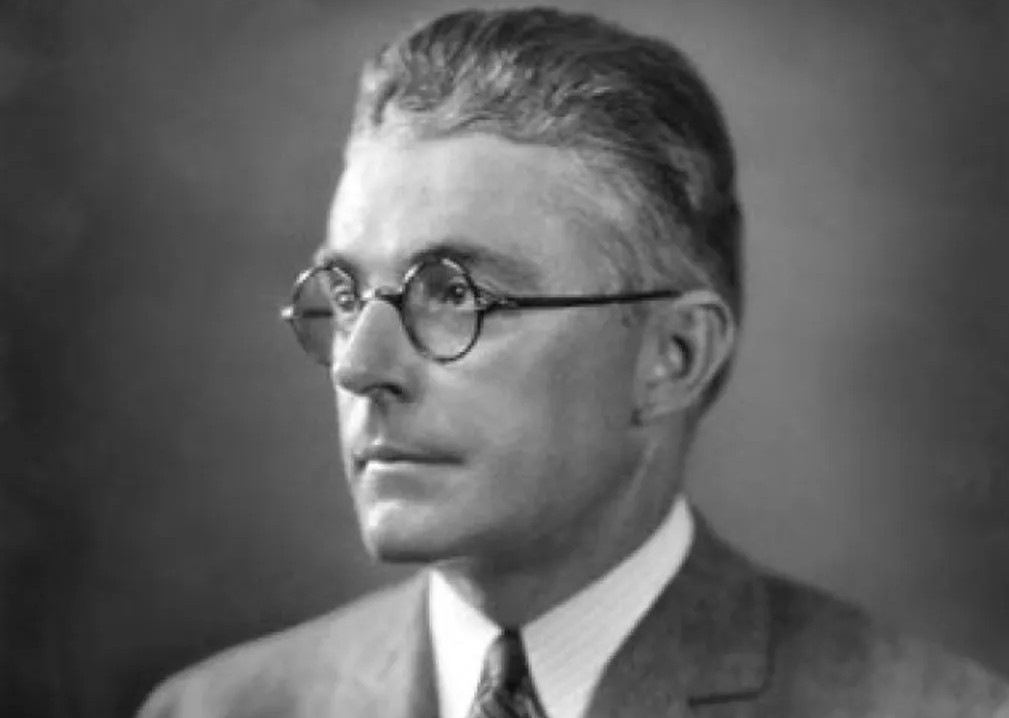
John B. Watson
Considered the founder of behaviorism, John B. Watson argued that psychology should be a purely objective science. His most famous experiment involved a young boy named Albert. Watson conditioned Little Albert to fear a white rat by repeatedly pairing the sight of the rat with a loud, jarring sound. Eventually, Albert came to fear the rat even without the sound, demonstrating that emotional responses could be learned through conditioning. This experiment, while ethically controversial by today’s standards, was a landmark moment for the field.
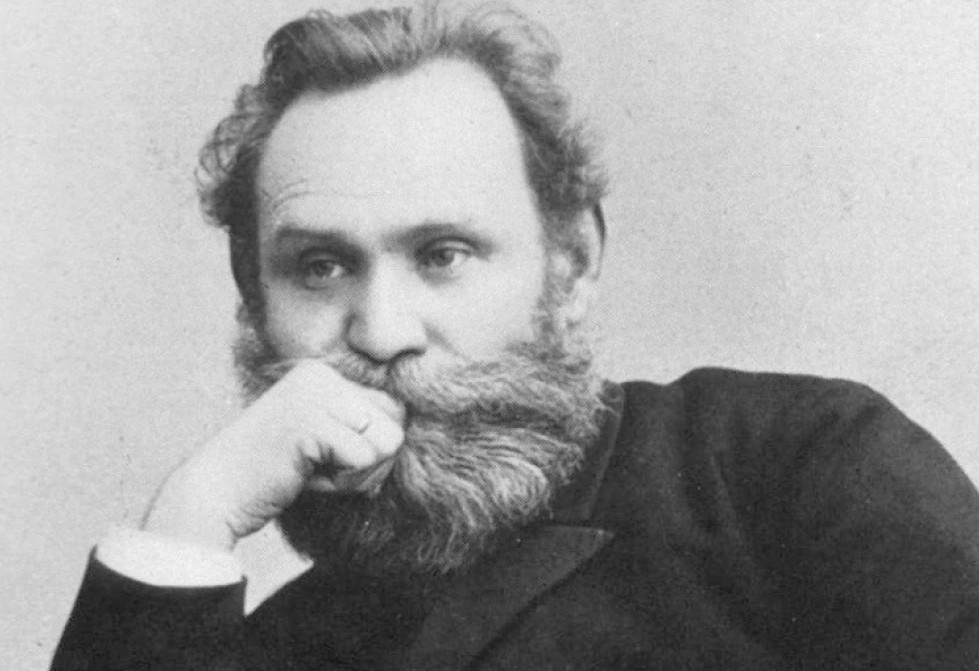
Ivan Pavlov
A Russian physiologist, Ivan Pavlov is renowned for his work on what is now known as classical conditioning. Pavlov’s well-known experiment involved dogs and their salivation response. He discovered that by repeatedly ringing a bell just before he gave the dogs food, the dogs eventually began to salivate at the sound of the bell alone, even when no food was present. The bell became a conditioned stimulus that produced a conditioned response. This work showed how an automatic, natural response could be linked to a new, previously neutral stimulus.
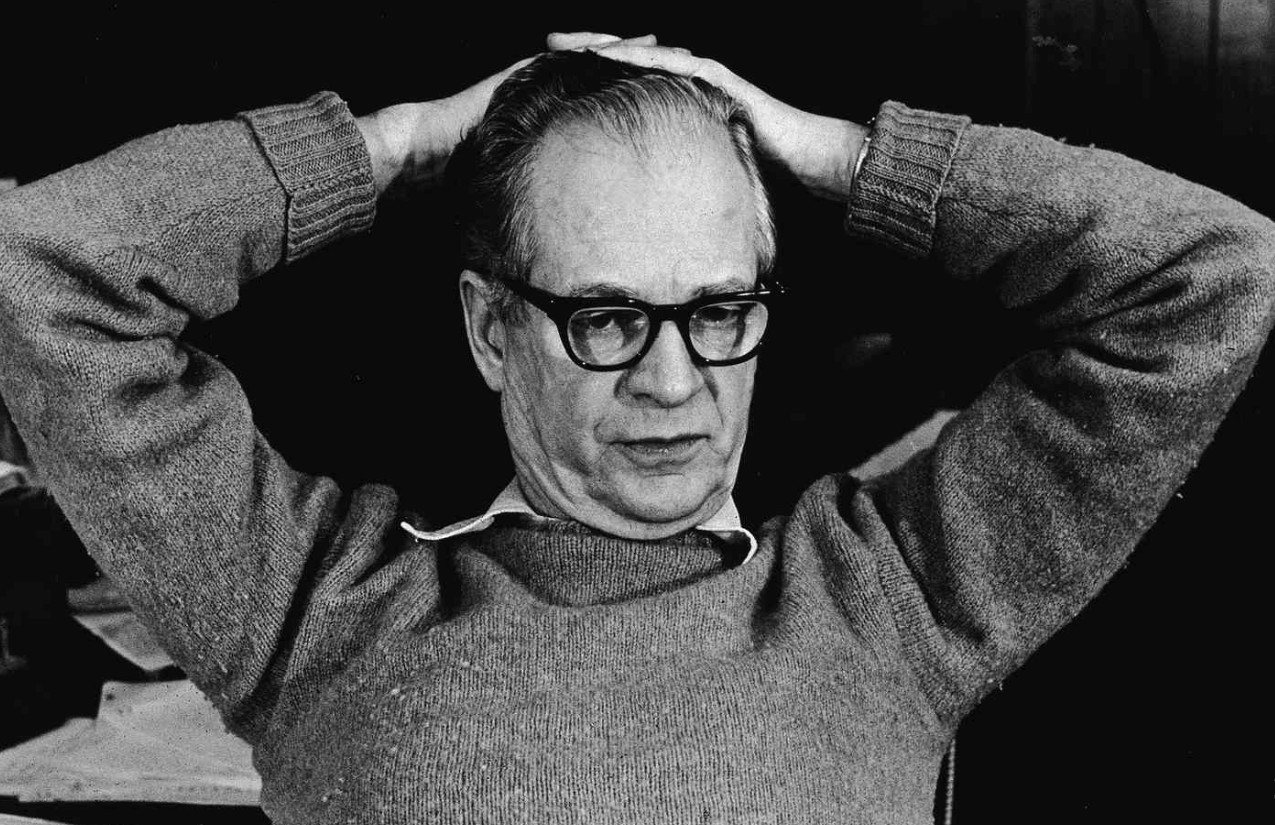
B.F. Skinner
B.F. Skinner is perhaps the most influential behaviorist. He introduced the concept of operant conditioning, a form of learning where a behavior is modified by its consequences. He famously used a device known as the “Skinner Box” to study how positive and negative reinforcement, as well as punishment, affected the behavior of rats and pigeons. Skinner’s work showed that the consequences of an action are the most important factor in determining whether that action will be repeated in the future.
The Two Main Types of Conditioning
Classical Conditioning (Respondent Conditioning)
Classical conditioning is a type of learning in which an organism learns to associate two stimuli. The process begins with an unconditioned stimulus (UCS), which naturally triggers an unconditioned response (UCR). For example, a sudden loud noise (UCS) will naturally cause a person to startle (UCR). Through repeated pairings of a neutral stimulus (NS), such as a bell ringing, with the UCS, the NS eventually becomes a conditioned stimulus (CS) that triggers a conditioned response (CR) on its own. The person will startle (CR) at the sound of the bell (CS) even without the loud noise. This type of learning is automatic and involuntary.
Operant Conditioning (Instrumental Conditioning)
Operant conditioning is a learning process in which behavior is strengthened or weakened by the use of reinforcement or punishment. The process is broken down into four key components. Positive reinforcement involves adding a desirable stimulus after a behavior to increase the likelihood of that behavior occurring again, such as giving a child a toy for cleaning their room. Negative reinforcement involves removing an unpleasant stimulus to increase a behavior, like turning off a car’s loud beeping sound after you fasten your seatbelt. Punishment aims to decrease a behavior. Positive punishment adds an undesirable stimulus, like a parent scolding a child for misbehaving. Negative punishment removes a desirable stimulus, such as taking away a teenager’s phone for breaking curfew.
The Impact and Applications of Behaviorism Today
The principles of behaviorism have had a profound and lasting influence across many fields. In therapy, behavioral techniques are used to treat a wide range of issues, from phobias to anxiety, through methods like systematic desensitization. The field of education also heavily relies on behavioral principles for classroom management, using rewards and consequences to encourage positive behaviors. Furthermore, operant conditioning is a foundational concept in animal training, where trainers use reinforcement to teach commands and behaviors. Even in parenting, caregivers often apply these principles, whether consciously or not, when they reward a child for good behavior or use a time-out to discourage a specific action.
The Criticisms and Rise of Cognitive Psychology
Despite its significant contributions, behaviorism faces major criticisms. The most prominent one is its neglect of the mind. Critics argue that by treating the mind as a “black box,” behaviorism fails to adequately explain complex human behaviors that seem to involve thought, memory, and problem-solving, such as language acquisition. The cognitive revolution in the mid-20th century arose as a direct response to these limitations. Cognitive psychology shifted the focus back to studying internal mental processes, arguing that to understand behavior, one must also understand the thinking that precedes it. While behaviorism is no longer the sole dominant paradigm in psychology, its principles remain a crucial part of our understanding of learning and behavior.
Frequently Asked Questions
How is behaviorism different from other fields of psychology?
Behaviorism differs fundamentally from approaches like psychoanalysis and cognitive psychology by focusing exclusively on observable, external behaviors. Unlike other fields that study thoughts, feelings, and the unconscious mind, behaviorism treats these internal states as unobservable and therefore irrelevant to scientific study. Its main premise is that behavior is a direct result of environmental conditioning and that an individual’s history of reinforcement and punishment determines their actions.
Can behaviorism explain all human behavior?
While behaviorism provides a powerful explanation for many learned behaviors, especially simple ones, it has limitations. It struggles to account for more complex, internal human processes like creativity, language development, and complex decision-making, which seem to involve more than just a simple stimulus-response relationship. The rise of cognitive psychology was largely in response to these shortcomings, as it became clear that mental processes play a crucial role in human behavior.
What are some real-world examples of behaviorism?
Behaviorism is used widely in real-world applications. For instance, a child receiving a sticker for every A on their report card is an example of positive reinforcement from operant conditioning. A person feeling nervous when they hear the sound of a dentist’s drill, even before they feel any pain, is a result of classical conditioning. Token economies used in some educational and therapeutic settings, where people receive tokens for desired behaviors that can be exchanged for rewards, are another clear application of behaviorist principles.
Recommended Books
- About Behaviorism by B.F. Skinner
- Walden Two by B.F. Skinner
- The Little Book of Big History: The Story of Our World by John B. Watson


